




Boot room
Remove the stock liner only if the boot still needs more room. A firmer insole should support the foot without crowding the toe box.

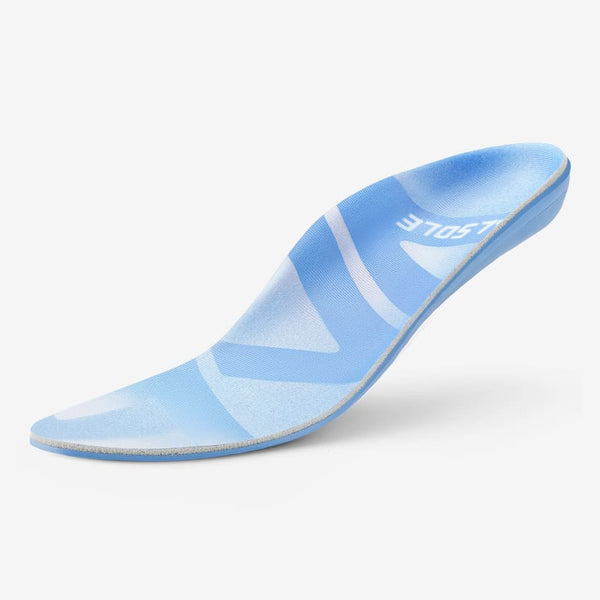
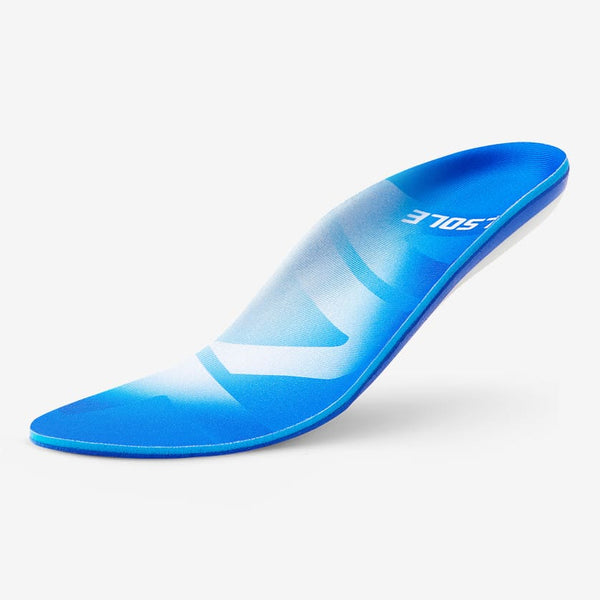
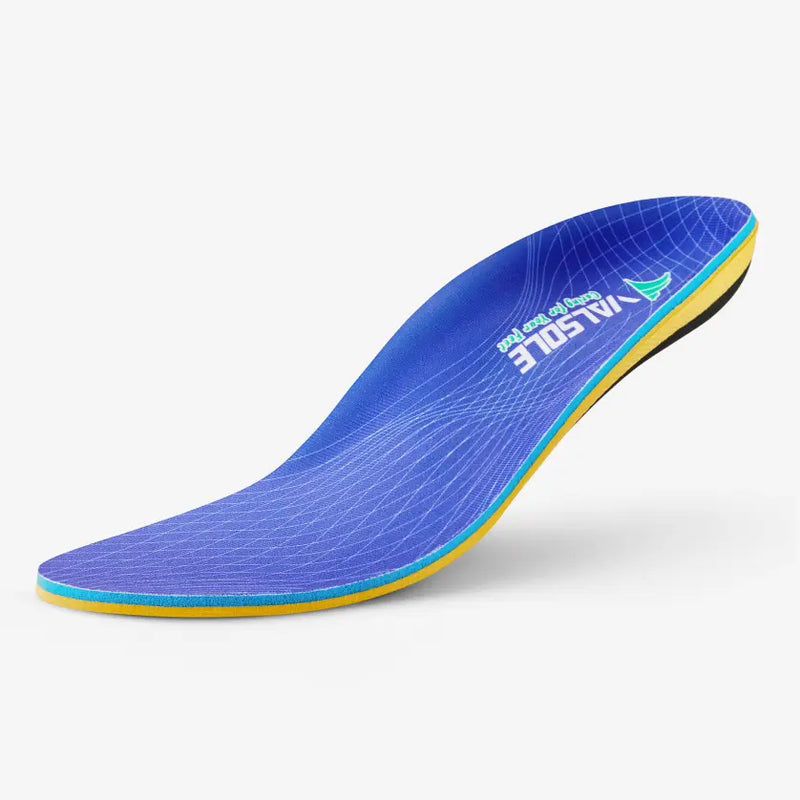
Choose a work-boot insole by hard-floor exposure, heel impact, boot room, and how much structure your existing work boots still provide.
Start here for work boots, longer standing blocks, and firmer in-shoe support on hard floors.
Go to the best first pathRemove the stock liner only if the boot still needs more room. A firmer insole should support the foot without crowding the toe box.
Concrete, warehouse routes, and retail floors add repeated impact. That is a stronger signal than choosing by softness alone.
The right path should still feel stable late in a long shift, not only during the first hour.
Start here for work boots, longer standing blocks, and firmer in-shoe support on hard floors.
Open this pathCompare hard-floor support when concrete is the clearest trigger during warehouse or retail work.
Compare this routeUse the size guide when boot room, liner removal, or the closest size range is still unclear.
Use this next stepThe point of this page is not to keep readers browsing forever. It is to help them decide whether they should go deeper into a relief guide, jump to a compare page, or move directly into a product path that fits the job their feet are doing right now.
Start with boot room, shift surface, and daily load. If the boot still fits well but lacks structure, choose a firmer insole path.
Only remove the stock liner when you need the room and the boot construction allows it.
For repeated hard-floor load, a firmer and more stable in-shoe setup can be a better first comparison than extra softness alone.
Check the size guide, then use Quick Match if you still need help comparing boot room, load level, and support feel.
Loading size guide…


