




Morning Discomfort
Morning Heel & Arch Tension
Pain spikes near the heel or along the arch during your very first steps in the morning or after resting.

Compare your foot pain pattern, daily load, and support path before choosing footwear or insoles.
Start foot pain relief by matching the pain pattern to the load context. Heel-and-arch discomfort often needs stable in-shoe support, hard-floor fatigue often needs stronger load management, and post-work soreness may benefit from a recovery footwear layer. This page helps compare those support paths without diagnosing a medical condition.
Match your everyday foot experience to identify the safest path forward.
Pain spikes near the heel or along the arch during your very first steps in the morning or after resting.
Sharp, concentrated pain directly underneath or at the back of the heel bone, aggravated by hard flat ground.
Generalized foot fatigue, dull aches, and soreness accumulating during long work shifts on hard concrete surfaces.
Arch fatigue, ankles rolling inward (overpronation), or flat feet structural strain during walking.
Soreness after removing active work boots or outdoor hiking shoes, making barefoot walking at home painful.
Multiple areas of discomfort or uncertain about whether an insole or a recovery shoe is the best starting step.

Support that works for real daily standing and walking.
Alt: Person wearing supportive insoles while standing at work.

Quick self-check to map symptoms to likely pain pattern.
Alt: Minimal vector infographic of foot pain zones and symptom mapping.
Combine your daily workload and pain level to determine the optimal support firmness.
| Load Level | Typical Discomfort Score | Support Recommendation | Recommended Daily Wear |
|---|---|---|---|
| Low Load (Light standing/sitting) | 0 to 3 (Mild fatigue) | Balanced cushioning and mild arch support | Start with 2 to 3 hours daily, building gradually |
| Moderate Load (Active daily shifts) | 3 to 6 (Noticeable ache) | Medium-firm arch guidance and structural heel cup | 1 to 2 hours initially, rotating into daily shoes |
| High Load (All-day concrete/heavy load) | 6 to 8 (Significant fatigue) | Firm high-density support and stable shoe base | Use 30 to 90 minute blocks, avoiding sudden increases |

Plantar fascia stress concentrates near heel and arch.
Alt: Anatomical-style vector of plantar fascia stress point in orange.

Heel cushioning should absorb impact without losing structure.
Alt: Close-up of heel support in a cushioned insole.
Consistency over intensity. Follow these small daily steps to adapt your feet to new support systems.

Small daily consistency beats occasional long routines.
Alt: Vector timeline of a 7-day foot relief plan with milestones.

Know when self-care is not enough.
Alt: Foot consultation context showing patient discussing pain with clinician.
Prefer a step-by-step path? The free Foot Comfort Foundations course walks through four weeks of general foot-comfort habits, gentle movement basics, and everyday support choices. General education only — it does not diagnose a condition or promise a result.
Start the 4-week Foot Comfort Foundations course →Start with the ideal match for your primary activity scenario.
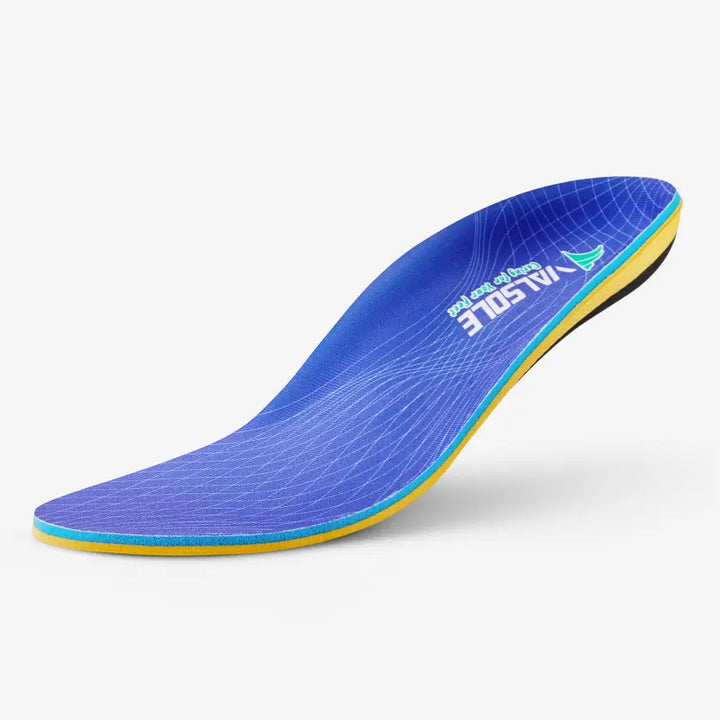
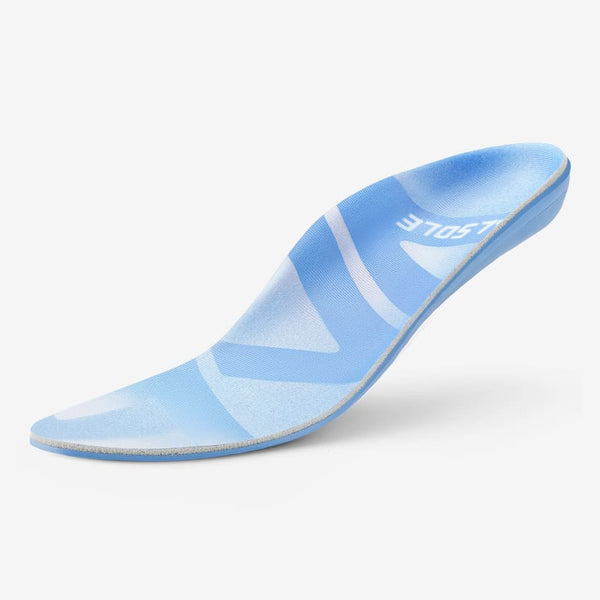
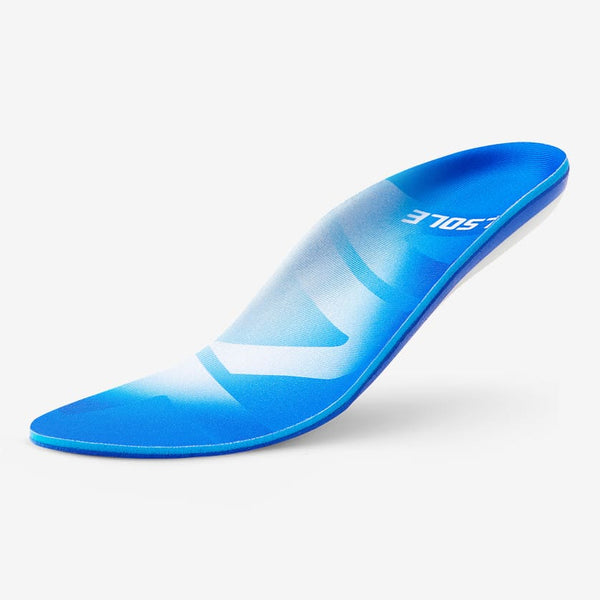
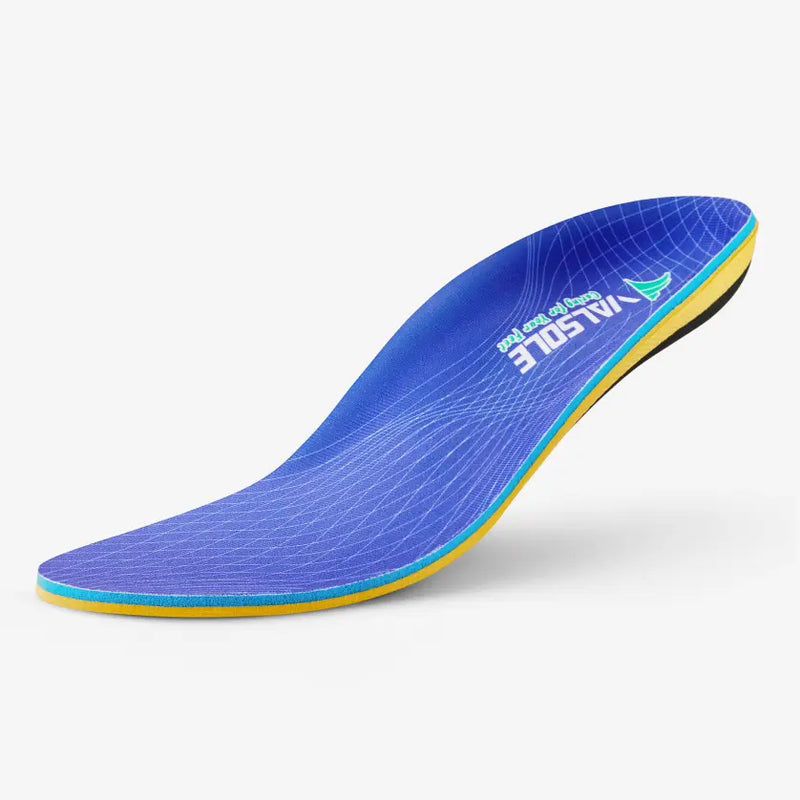
For heavy work boot loading, hard concrete shifts, and maximum arch support weight management.
View Product
For moderate daily shifts, casual sneakers, and low-profile comfort without aggressive rigidity.
View Product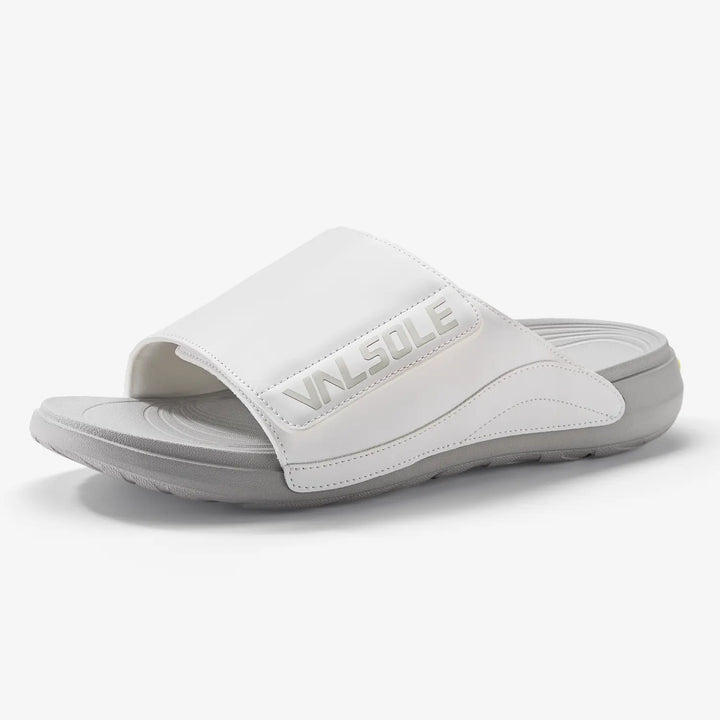
For active post-work recovery, cushioning feet against hard flat tiles, and providing deep arch relief in a supportive, slip-on slide.
View ProductGo one level deeper to understand specific arch shapes, pain points, and load-redistribution mechanics.
Learn about morning arch soreness, first-step heel tension, and orthotic firmness pairing.
Open plantar fasciitis support guide →Understand how structured heel cups and controlled shock absorption stabilize the calcaneus bone.
Open heel pain support guide →Compare arch guidance models that support foot alignment and slow overpronation.
Open flat feet support guide →Read about balancing arch height (low, medium, high) with suitable active footwear.
Open arch support guide →Tips for handling long work shifts on flat concrete and maintaining foot stamina.
Open standing all day support guide →Why avoiding barefoot indoor walking protects your arch from flat-floor pressure flare-ups.
Shop supportive slippers collection →Use the newsroom to see what changed in supportive footwear, orthotics, recovery, and everyday pain relief before you commit to one product path.
Pacing physical load and selecting a structured, supportive home footwear layer (like supportive indoor clogs or recovery slides) is often the safest starting point to avoid flat hard-floor walking barefoot.
Insoles are best if you need to add firm support inside existing work shoes or active sneakers. Recovery footwear is recommended if you need an active recovery layer on concrete or hard floors at home.
Self-care and shopping-support guides are educational resources. Seek clinical care for sudden, severe, persistent, or worsening pain, or when accompanied by swelling, numbness, or poor circulation.
If symptoms overlap, we suggest starting with the Quick Match path to evaluate your workload and pattern, or begin with the balanced everyday support option.
Bonus: Full PDF Guide
Place any order to unlock the complete Foot Pain Relief PDF Guide by email (free bonus).
Loading size guide…


