



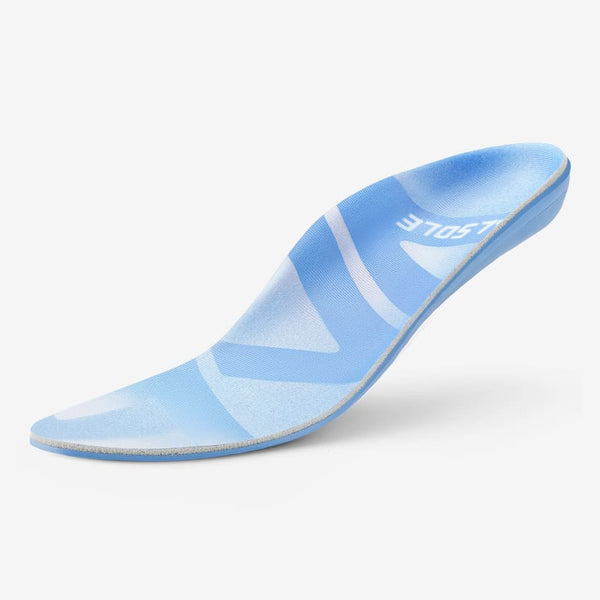
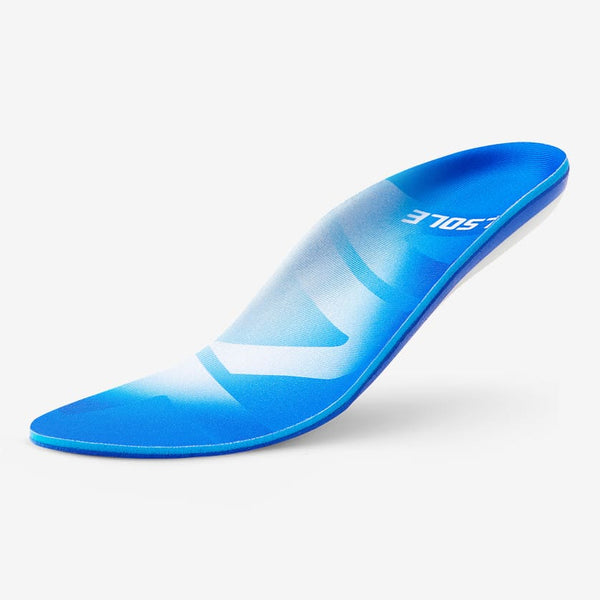

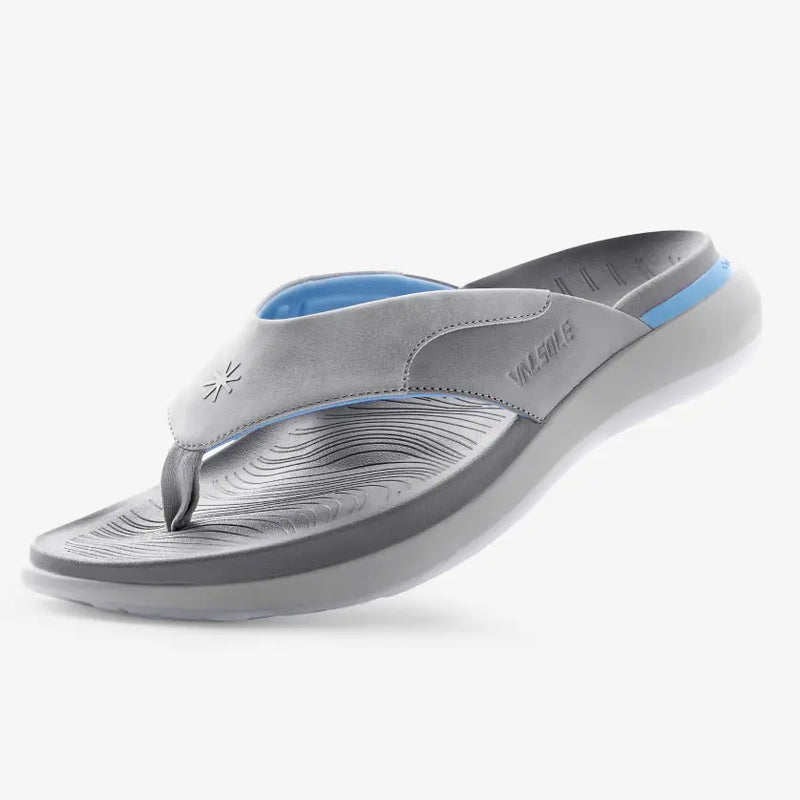

Best for usable shoes
Start with insoles when the shoe still fits well, but the underfoot support is too weak or too flat.
Pillar Guide
Use this page as the main insole decision hub. It explains what insoles are, who should start with them, how different support types behave, and when you should move into a condition guide, scenario page, compare page, or specific product path instead of staying in general research.
What They Are
Insoles change the support geometry inside a shoe. They help when the base shoe is still structurally usable but your arch, heel, or forefoot still needs more control, cushioning balance, or pressure distribution.
Start with insoles when the shoe still fits well, but the underfoot support is too weak or too flat.
Firm support, balanced support, and recovery-oriented support all solve slightly different problems.
This page is the upstream map. Use it to pick the right condition, scenario, compare, or product page next.
How To Choose
If the shoe is collapsed, unstable, or too soft, do not expect the insole to fix everything alone.
Arch overload, heel pain, flat feet, and long-standing fatigue often need different support emphasis.
Standing shifts, walking days, training recovery, and casual daily wear each change what “best” means.
By Condition
Use a support path that reduces arch collapse and improves alignment under repeated load.
Open flat feet guideUse stronger arch structure when long standing or walking keeps exhausting the midfoot.
Open arch support guideChoose support that balances heel cup stability and enough cushioning without collapsing too quickly.
Open heel pain guideBy Scenario
Use firmer, more stable support when the real problem compounds over full shifts or concrete floors.
Standing all day support guideUse support that keeps heel-to-arch transition stable without making long walks feel overly rigid.
Walking support guideUse the insole path when your travel shoes fit well already and mainly need stronger underfoot control.
Travel walking support guideCompare Brands
Leave this page as soon as the decision becomes specific. If you know the condition, open the condition guide. If you know the scenario, open the scenario page. If you know the product path, go straight to the PDP or collection.
Shop Path
The strongest first path for standing shifts, firmer arch support, and long-day load control.
Shop Heavy DutyThe balanced option when you still want daily wearability with stronger underfoot guidance.
Shop Stable SupportThe softer support path when you want a more recovery-oriented insole option for lower-load use.
Shop Fascia SootheFAQ
Start with insoles when the shoe still fits well and stays usable, but the foot still needs stronger arch, heel, or underfoot support than the stock insole provides.
Choose by the main job: firmer support for long standing and stronger control, balanced support for everyday walking, and softer recovery-oriented support for lower-load use.
If the pain pattern is the blocker, use a condition guide. If the daily use case is the blocker, use a scenario page. If the brand decision is the blocker, use a compare page.
Open a product page if you already know the support intensity you need. Open the collection if you still need to compare several insole paths side by side.
Next Steps
Loading size guide…


