


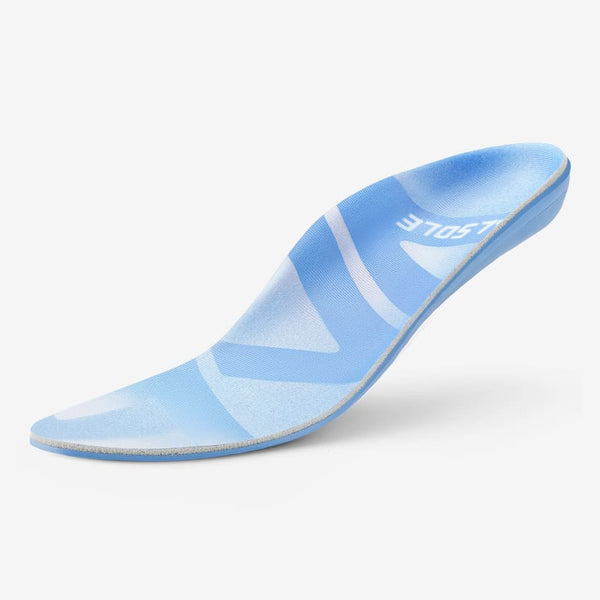
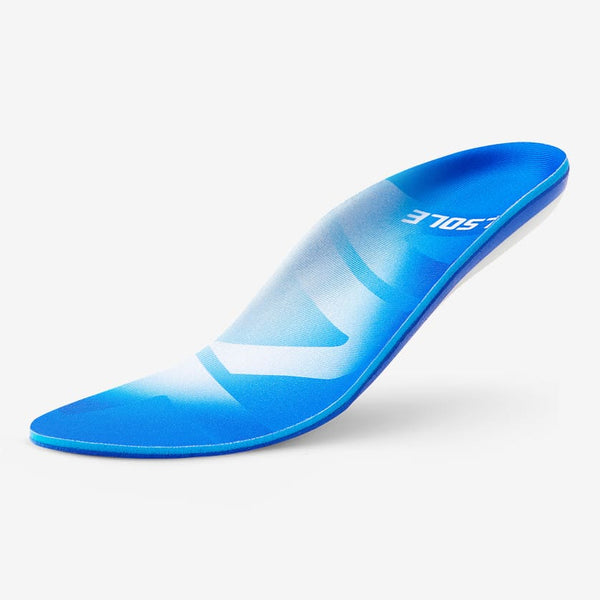
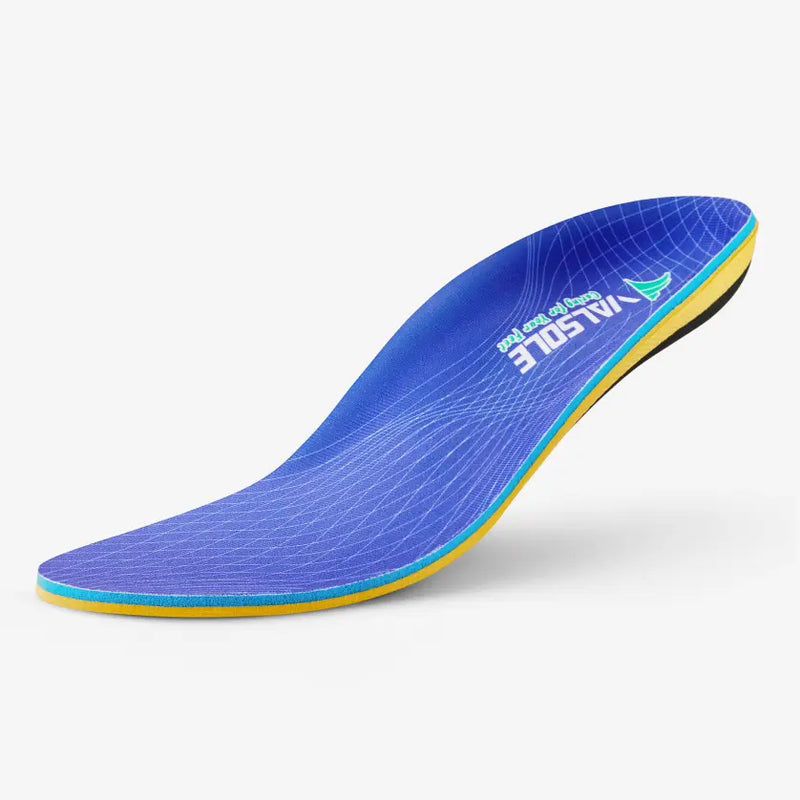


Stable Support
Built to deliver firm, reliable support with enhanced foot alignment and superior heel stability.
$37.99$39.99
View product


Arch support break-in is a controlled adaptation process, not an all-or-nothing comfort test on day one. Early awareness in calf and arch is common, but the direction should improve with consistent use. By day 7 you should see clearer stability and lower fatigue spikes, and by day 14 your baseline should be predictable enough for final keep-or-adjust decisions.
If symptoms intensify continuously without recovery windows, that is a mismatch signal rather than normal adaptation.
Use milestone checkpoints to decide whether to continue, adjust, or switch profile.
| Milestone | Normal response | Warning sign | Action |
|---|---|---|---|
| Day 1 | New arch awareness | Sharp focal pain | Reduce wear block length |
| Day 3 | Improved gait control | Increasing hotspot intensity | Check trim and lacing |
| Day 7 | Lower end-of-day fatigue | No improvement trend | Reassess support profile |
| Day 14 | Stable repeatable comfort window | Still unpredictable pain spikes | Switch setup or seek fitting review |
The first three days should prioritize consistency over duration. Use shorter wear blocks with deliberate transitions between high-load and low-load contexts. This keeps tissue response interpretable and avoids confusing overload with adaptation. Sudden all-day adoption often creates noise that makes good setups look worse than they are.
Track when symptoms begin, not only how strong they feel, because onset timing is a better adaptation marker.
By day 7, one of two trends should be clear: either fatigue is delayed and recovery is faster, or no meaningful improvement appears. If you see partial gains, keep the setup and adjust one variable only, such as lacing pressure or wear duration. If no gains appear, forcing another week without adjustment usually wastes time and increases frustration.
Use one change at a time so cause-and-effect remains clear.
At two weeks, your system should be stable enough to decide whether this support profile is viable long term. Commit if symptom trend is positive and repeatable across normal schedule variation. Switch if pain remains inconsistent, hotspots persist, or compensation patterns are growing. A clear day-14 decision avoids endless micro-adjustments without progress.
Document your final decision criteria so future replacements follow the same evidence-based standard.
For next steps, align support level using the Arch support guide, compare structure options in Stable Support insole, and review adaptation edge cases in the FAQ.
Shop the products most relevant to the support path discussed in this article.
Keep reading with symptom-based guides and compare support options for your pain profile.


Loading size guide…


