

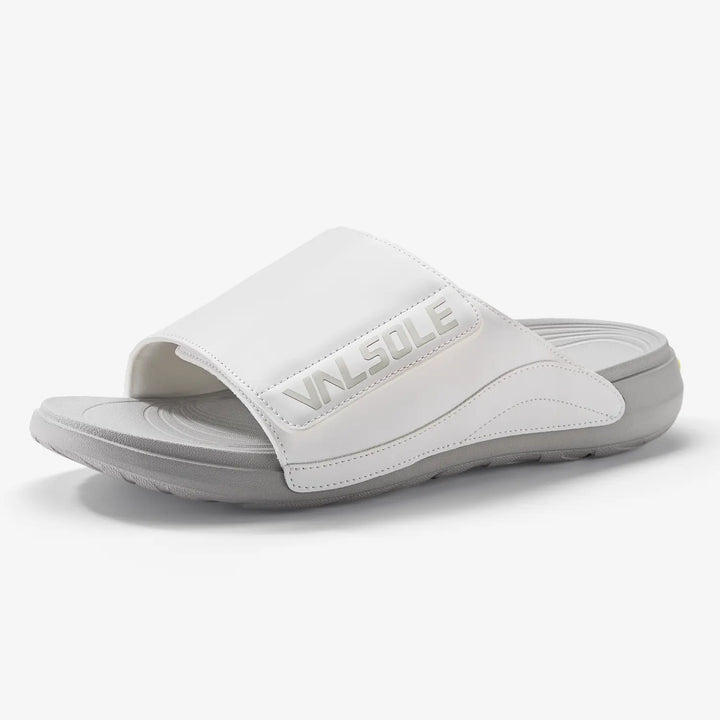
Recovery Slide
The VALSOLE Recovery Slide is engineered for everyday relief, combining ergonomic support with lightweight...
$69.99$109.99
View product


Arch Support Insoles for Cashiers: Counter-Shift Comfort Checklist is less about finding the softest product and more about matching a support profile to the shoe, the floor, and the way the day actually unfolds. A practical setup should sit flat in cashier shoes, leave enough room around the toes and instep, and keep the heel settled through repeated standing or walking.
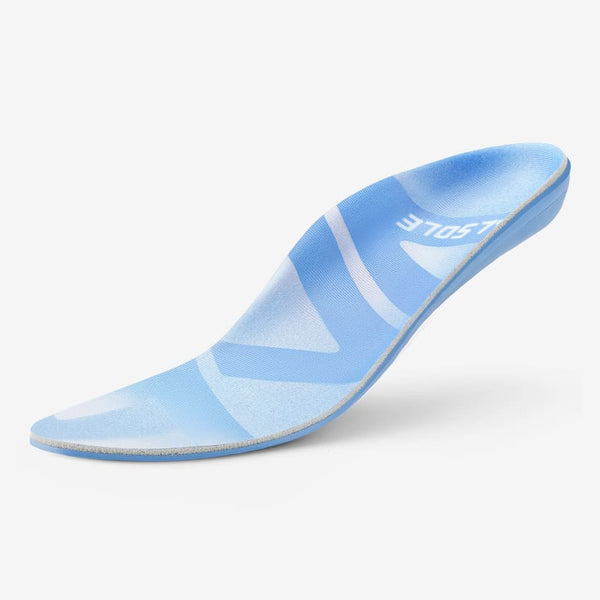
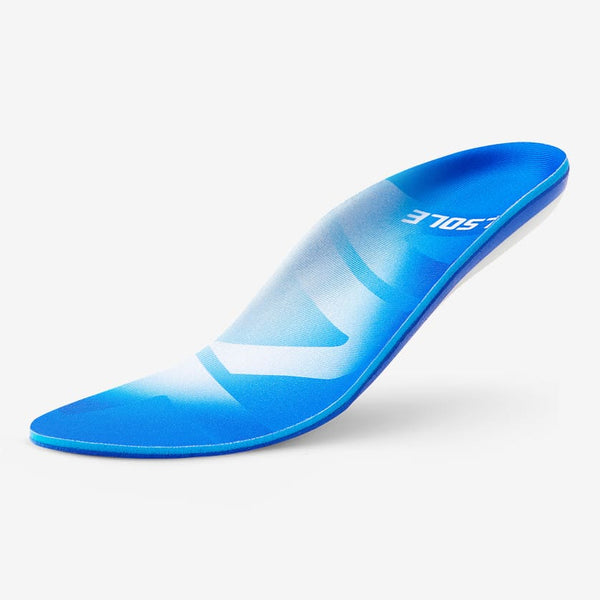
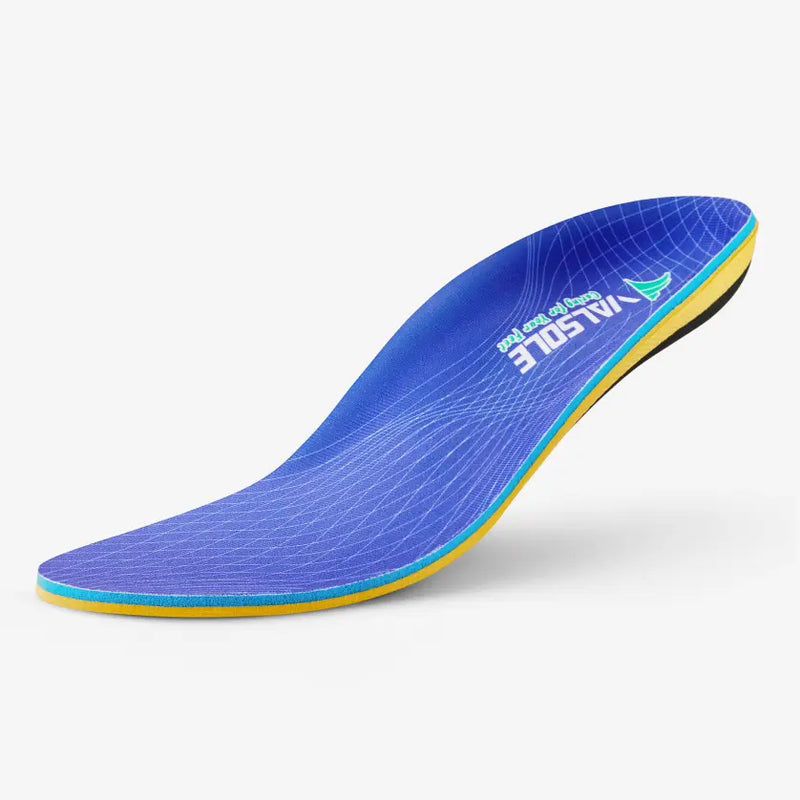
For readers comparing arch support insoles, the useful checks are simple: inspect the arch contour, heel cup, overall thickness, and whether the insert remains secure once the shoe is laced. Comfort in the first few steps matters, but a better choice should also make sense later in the routine rather than only at the start of it.
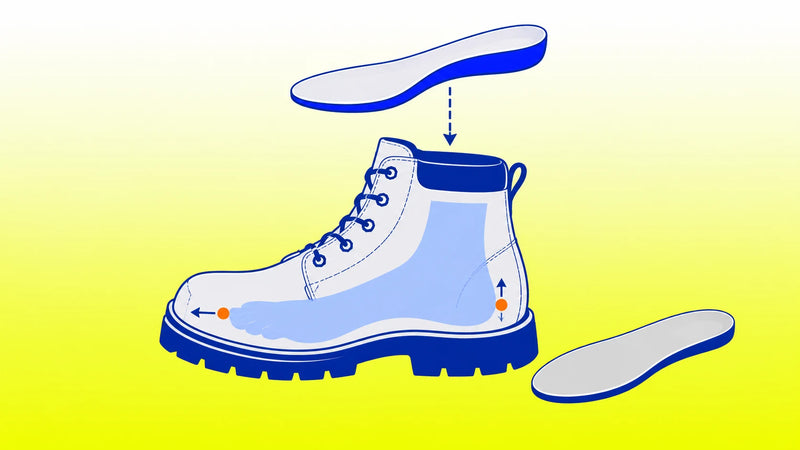
Start by removing the shoe's original sockliner only when it is designed to come out. Put the insert in flat, press the heel into place, and check that the toe end does not curl. Wear the same socks you would normally use with comfortable work shoes. If the shoe feels noticeably crowded, the issue can be internal volume rather than the quality of the insert.
Daily conditions often determine what readers notice. Firm flooring can make a stable heel and an insert that holds its shape more important. Repeated walking can make secure placement and smooth shoe-to-insert contact more important. A shoe that works well during a short errand may not be the best match for a longer work pattern.
Think of the setup as a small system: the shoe outsole, the insole, socks, surface, and schedule all affect the result. This is why it helps to compare support features instead of relying on a thickness claim or a quick squeeze test.
| Feature | Why it matters | Fit check |
|---|---|---|
| Structured arch profile | Helps the insert keep a consistent shape during routine use. | The contour should feel aligned, not intrusive. |
| Heel cup | Helps the heel sit in one predictable position inside the shoe. | Check for rubbing at the collar and heel edge. |
| Overall thickness | Affects toe room and instep space. | Walk with normal socks and lace tension. |
| Top cover and grip | Can affect whether the insert stays put. | Inspect after a short walk for shifting or bunching. |
A new support insert can change how a familiar shoe feels. Begin with shorter wear periods, then increase time only if the setup remains comfortable and stable. Recheck the shoe after the first few uses for sliding, edge curl, pressure at the instep, or a change in toe room. A fit issue is easier to correct early than after a long day.
For an overview of support levels, use the Arch support guide. For product comparison, start with the Insoles collection and confirm sizing with the Size guide.
Begin with the VALSOLE Insoles collection and compare a structured option that suits your daily shoe. If firm surfaces are central to the routine, visit Concrete Floor Insoles. If the day ends with time on hard floors at home, Recovery Slide can be a separate comfort option rather than a replacement for work-shoe fit.
Related reading: Shoe Insoles Buying Guide for Work and Walking and How Long Do Insoles Last?.
Insoles and supportive footwear are comfort and fit tools, not medical care. Seek guidance from a qualified medical professional for sudden, severe, persistent, or worsening foot symptoms, or when symptoms follow an injury. Prompt guidance is also appropriate for swelling, numbness, tingling, wounds, signs of infection, or difficulty bearing weight. People with diabetes or circulation concerns should be especially cautious with new or worsening foot symptoms.
If it is removable, compare the fit with it removed first. The finished setup should be stable, not crowded, and should not change the shoe's heel hold.
No. Cushioning and support are different features. A useful choice needs a fit that remains stable for the routine, not simply a softer first impression.
Possibly, but each shoe should be checked separately because heel shape, internal volume, and sockliner design vary.
Fresh Ahrefs data was unavailable for this batch because the available official API units had been exhausted. Existing June 23, 2026 Ahrefs evidence was used only for content-cluster direction. GSC evidence was unavailable. No GSC clicks, impressions, CTR, or average position were used.
External references reviewed: Canadian Centre for Occupational Health and Safety, Working in a Standing Position - Basic Information; Canadian Centre for Occupational Health and Safety, Foot Comfort and Safety at Work; Mayo Clinic, Foot pain - When to see a doctor.
Shop the products most relevant to the support path discussed in this article.

Keep reading with symptom-based guides and compare support options for your pain profile.


Loading size guide…