


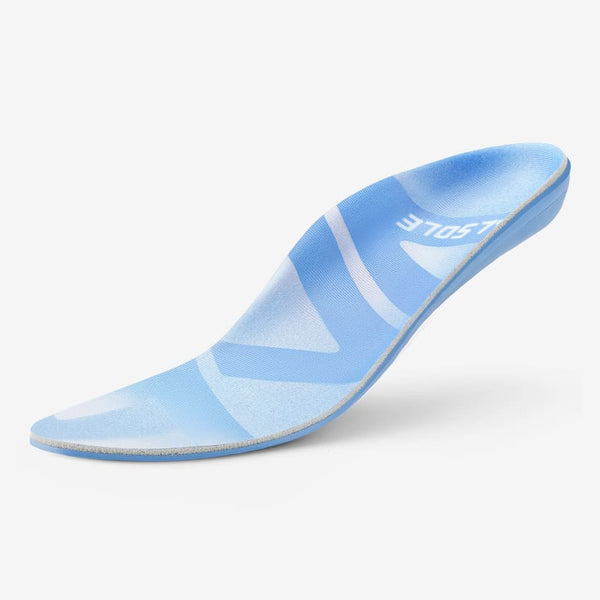
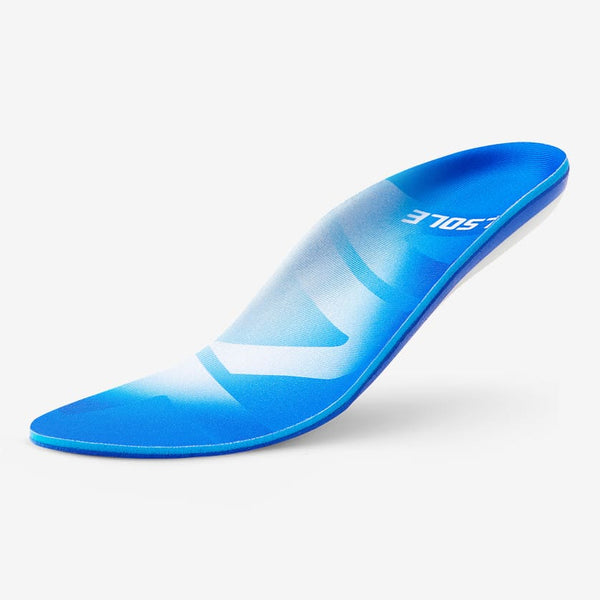
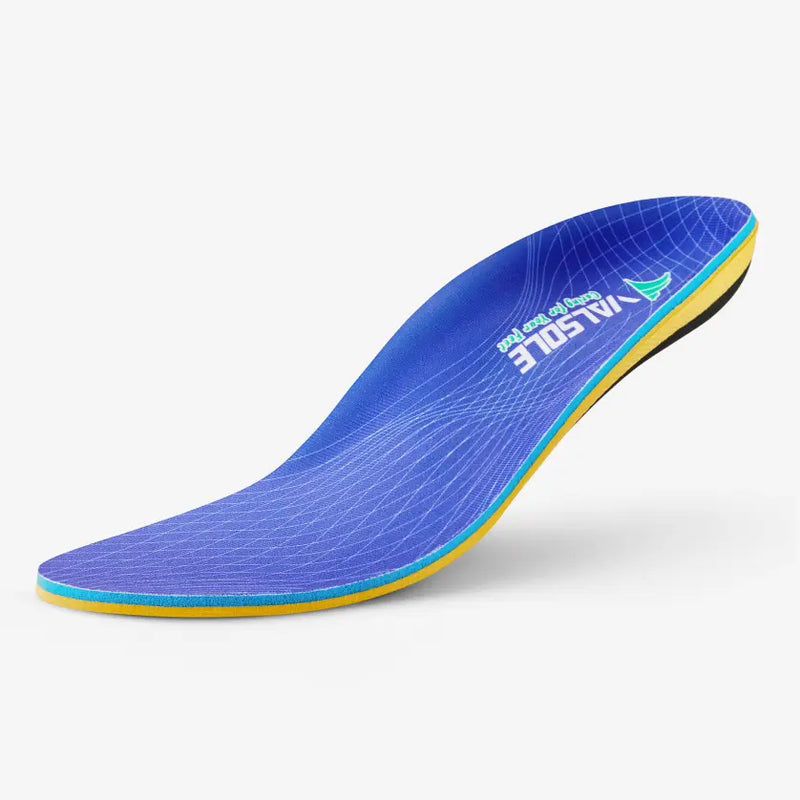


Strong fit
Heavy Duty Insole
Your pattern points to high-load in-shoe support.


Quick answer: if an electrician’s work boot feels tight, start by checking whether the original footbed can be removed, whether toe and heel room remain after a replacement is fitted, and whether the boot maker or employer permits the change. Do not choose an insole by job title alone, and do not assume any replacement preserves a boot’s rated properties.
Work boots can feel secure before a replacement insole is added, then become crowded when the foot sits higher inside the boot. That can change toe room, heel hold and the way the upper closes around the foot. For long days that alternate between standing, ladders, walking and driving, the useful comparison starts with the complete boot-and-insole setup—not an insole in isolation.
The job label matters only because it can set footwear rules. It does not tell us an individual’s arch shape, shoe volume or the amount of support that feels right. Check the actual boot first.
| What you need to check | Start here | Why this route is separate |
|---|---|---|
| Closed work boots with enough room after the stock liner is removed | Compare work boot insoles | Compare in-shoe options by boot volume and daily load before selecting a product. |
| Long standing or walking on hard floors | Compare concrete-floor support | Use the hard-surface route when the work surface, rather than a boot label, is the main decision factor. |
| Unsure whether a replacement will fit | Review the size guide | Size and shoe-room checks come before support preference. |
For a step-by-step installation check, see how to fit insoles in work boots. If the shoe, daily load or support preference is still unclear, use Quick Match to choose a comparison route before ordering.
Only after checking the boot maker’s instructions and any workplace requirements. A replacement should also leave sufficient toe room and a stable heel inside the actual boot.
Do not assume so. Ask the boot manufacturer and follow employer requirements before changing a supplied footbed. VALSOLE does not certify a modified boot for electrical, ESD, antistatic or other work-safety requirements.
Do not stack full-length insoles by default. First check whether the original liner can be removed and whether the replacement leaves toe space and secure heel hold. If the boot remains crowded, do not force the setup.
Editorial responsibility: VALSOLE Editorial Team. Last fact review: September 23, 2026. Product sizes, availability and policies can change; check the linked live pages before ordering.
Keep reading with symptom-based guides and compare support options for your pain profile.


Loading size guide…