




Heavy Duty
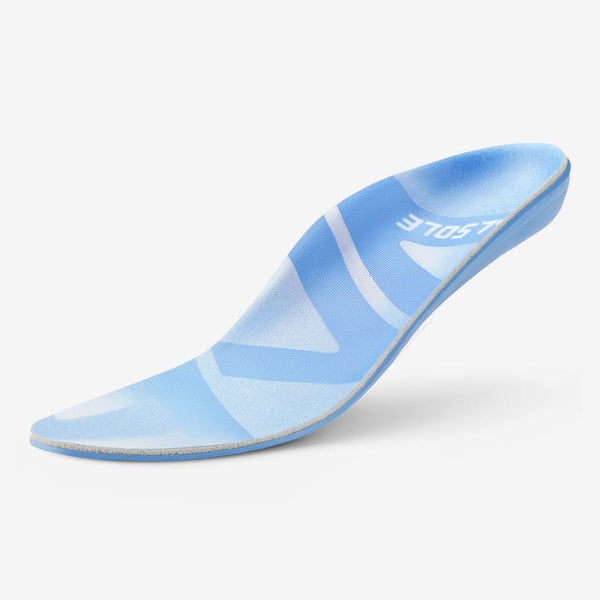
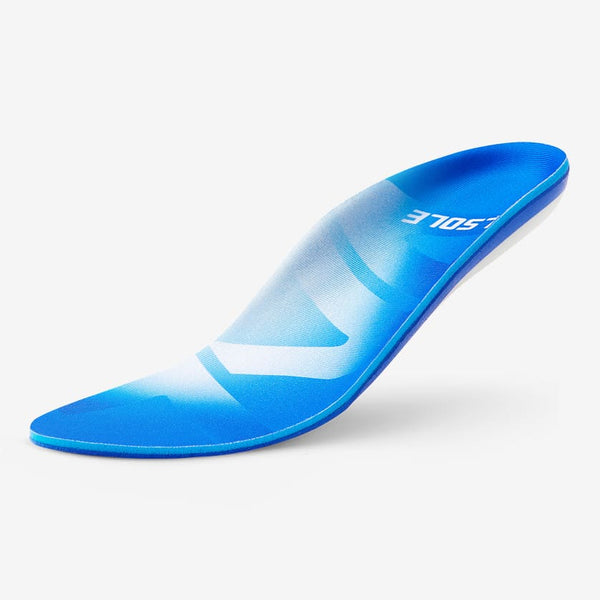
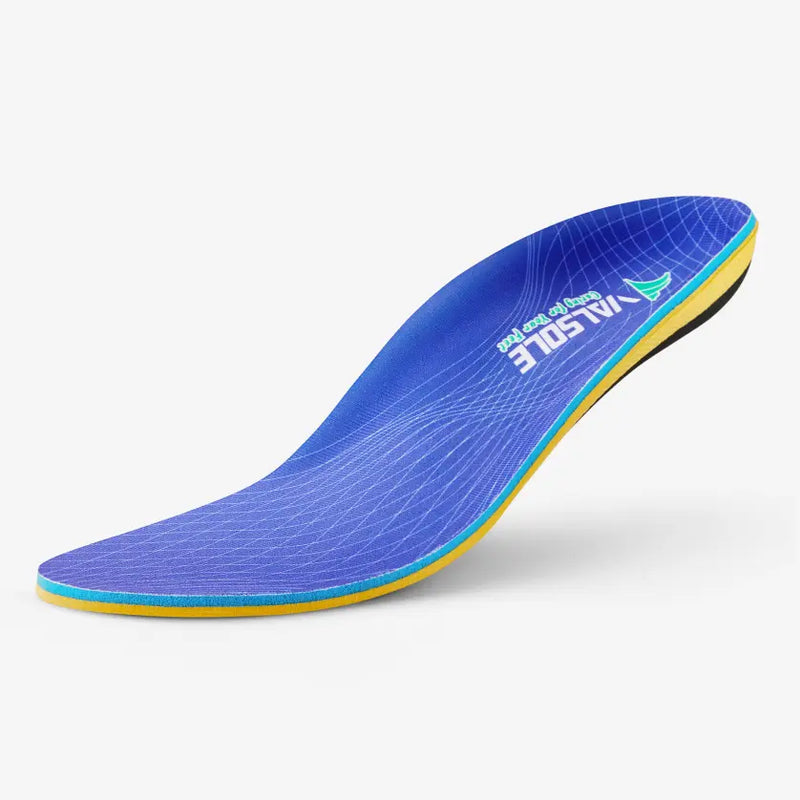
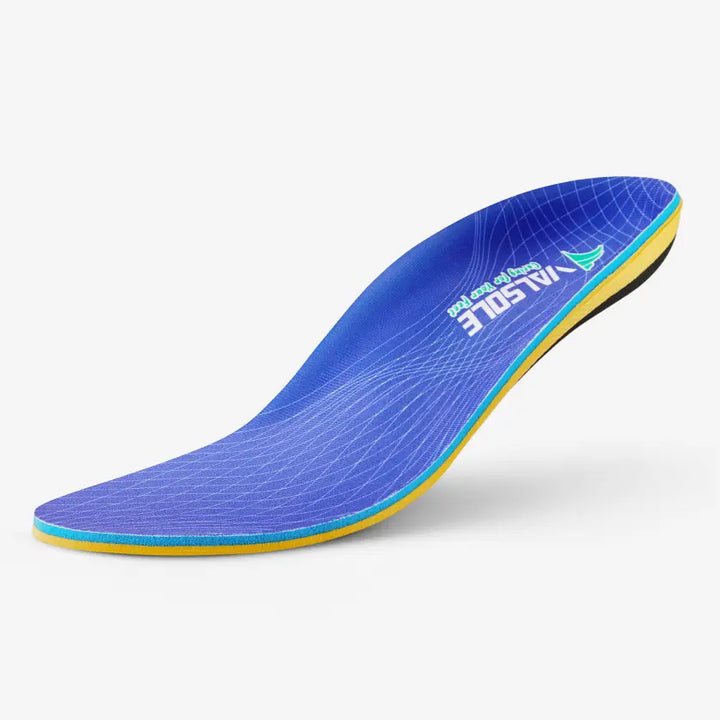
Heavy Duty is VALSOLE's firmer in-shoe support path for long standing, work boots, and...
$35.98$39.99
View product


Compare insoles for warehouse work by picking routes, fixed standing stations and boot space. Check fit before choosing a firmer workday support option.
When comparing the best insoles for warehouse work, start with how the shift moves: repeated picking routes, a fixed packing station or a mixture of both. Then check the interior space in your work shoes. Compare available options in the concrete-floor insole collection; a warehouse job title alone does not tell you which support profile fits.
This is a VALSOLE shopping guide, not an independent ranking or a controlled full-shift wear test. We do not claim that one model improves productivity, prevents injury or performs best for every warehouse worker.


| Work pattern | What to check first | Useful next step |
|---|---|---|
| Picking routes with frequent turns and walking | Comfort in motion, heel hold and room as the foot bends | Warehouse picking and walking guide |
| Long standing blocks at a packing or scanning station | Support feel while standing and during the steps between tasks | Heavy Duty as a firmer comparison, if the shoe fits it |
| Safety boots with limited interior space | Original liner, toe clearance and heel seating | Work-boot insole collection and the boot's own instructions |
Check the setup with your normal work socks and fastening. A boot can look roomy from outside while leaving little space beneath the toe cap or over the foot after a different insert is installed. Check whether the liner is intended to be replaced. Do not cut or remove safety-footwear components or assume that changing an insert preserves a certified setup: follow your employer's and footwear manufacturer's requirements.
The replacement should sit flat without bunching. If the shoe now presses down on the toes or lets the heel lift, more firmness is not the next comparison. Recheck the size, replacement format and footwear compatibility. Use the work-boot fitting guide for the space checks.
Heavy Duty is VALSOLE's firmer in-shoe path for long standing and workday use. Stable Support is another firm-support comparison for arch contact and heel stability. Product choice still depends on shoe room and the feel you prefer. We have no controlled shift-length data that establishes a universal number of hours requiring either model.
No. Picking routes, static stations, shoe space and individual preferences differ. Start with the actual work pattern and footwear, not the job label.
Do not stack by default. Follow the product and footwear instructions, especially for required safety footwear.
Seek individual professional advice rather than treating the shopping comparison as a diagnosis or injury-prevention measure.
AAOS shoe-fit guidance explains why removable liners and interior space matter; it does not endorse these products for warehouse safety. Compare current models in the concrete-floor collection and check the Size Guide before ordering.
Shop the products most relevant to the support path discussed in this article.

Keep reading with symptom-based guides and compare support options for your pain profile.


Loading size guide…


