




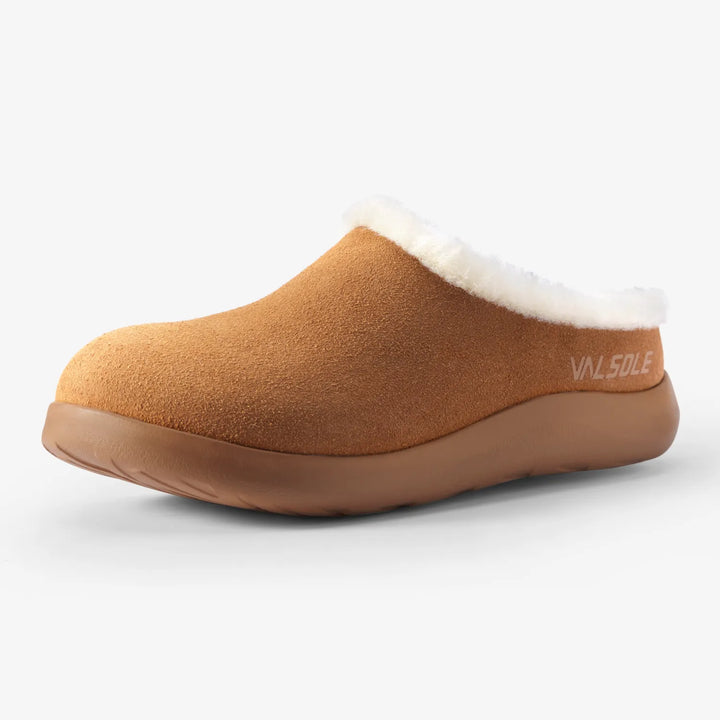
Hearth Clog
The Hearth Clog provides structured everyday stability and thermal comfort for users 220 lbs+,...
$59.99$89.99
View product


Heel spur discomfort at home improves fastest when you reduce repeated heel impact from the moment you get out of bed until the end of the day. Most setbacks come from inconsistent routines: supportive shoes outside, then barefoot walking on hard indoor floors. A better strategy is continuous low-impact support plus simple habit controls that prevent flare-ups before they start.
Relief is less about one “perfect product” and more about making daily load predictable. Consistency is the treatment multiplier.
Use this table to choose changes with the highest real-world impact first. Start with indoor floor exposure and footwear continuity before adding more products.
| Action | Why it works | When to prioritize | Common failure mode |
|---|---|---|---|
| Supportive indoor footwear | Reduces barefoot heel shock on hard floors | Morning pain and evening flare-ups | Switching back to flat slippers after short relief |
| Heel cup + arch guidance | Improves load distribution and alignment | Pain during standing chores | Using soft-only inserts that flatten quickly |
| Anti-fatigue floor strategy | Lowers repeated impact in fixed standing zones | Kitchen/laundry long standing blocks | Applying mats but staying barefoot |
Start supported immediately after waking to reduce the first high-impact window. During prolonged standing tasks, insert short movement breaks every 45-60 minutes so tissue load is not concentrated in one static position. After high-load periods, shift to recovery-oriented footwear instead of going barefoot on hard surfaces.
This routine works because it lowers cumulative stress peaks across the day. When stress peaks drop, symptom volatility usually drops with them.
If sharp pain remains high after two to three weeks of consistent routine, or tenderness appears earlier each day, escalate your setup rather than repeating the same plan. Common escalation steps include stronger heel control, more stable shoe base, and replacing visibly worn footwear that has lost rearfoot stability.
Escalation should still be structured: change one variable, then re-check symptom trend over several days before adding another change.
Track four markers daily: first-step pain, pain during standing chores, evening soreness intensity, and next-morning carryover. Real progress means all four markers trend down together. If only one improves while others stall, your configuration is partially effective and still needs calibration.
Use trend data to decide, not mood. Heel-spur recovery is usually nonlinear, so repeated improvement across a week matters more than one very good day.
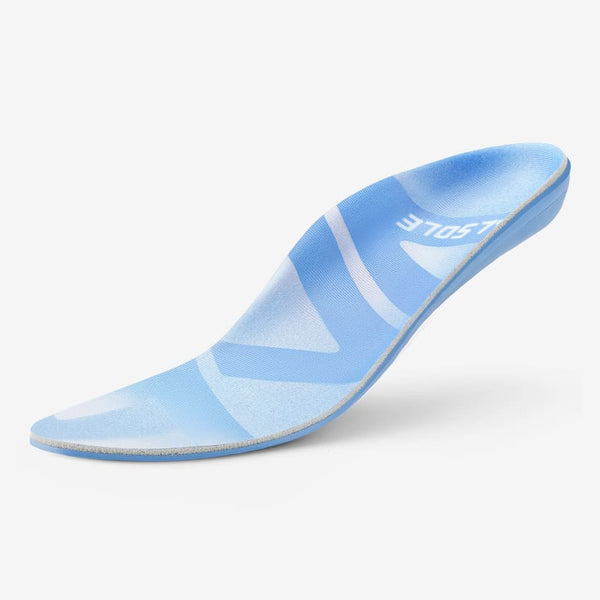
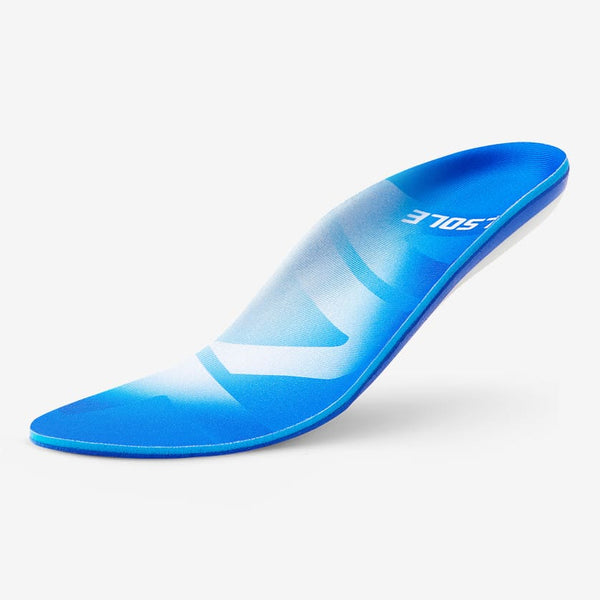
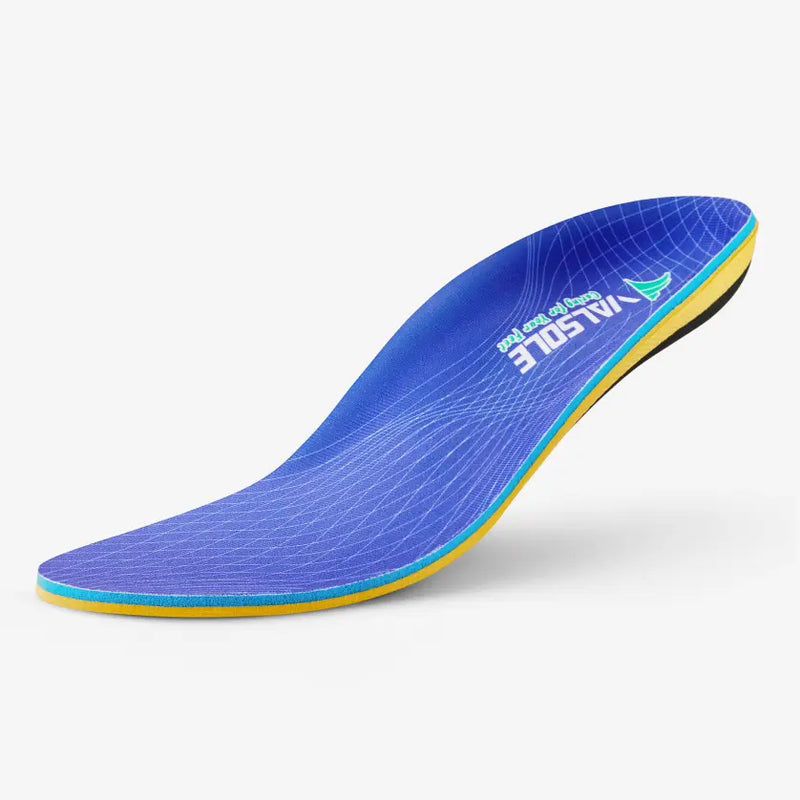
For next steps, review the Heel spur relief guide, compare fit and damping in Heel Relief insole, add recovery support with Hearth Clog, and use Compression Max socks when swelling or post-shift fatigue is elevated.
Shop the products most relevant to the support path discussed in this article.

Keep reading with symptom-based guides and compare support options for your pain profile.


Loading size guide…


