

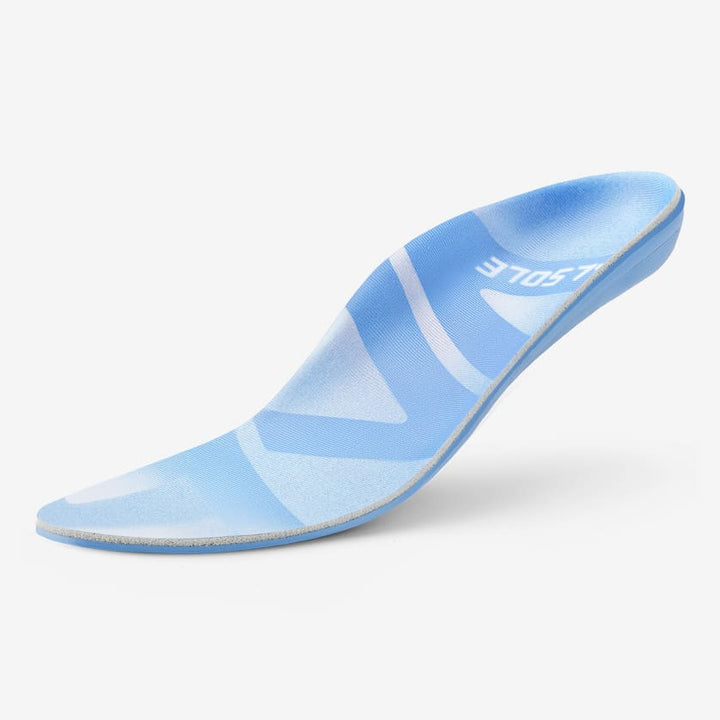
Fascia Soothe
Step into relief. VALSOLE Fascia Soothe insoles are purpose-built for people who know what...
$37.99$39.99
View product


Heel spur and plantar fasciitis often overlap, but the best support choice still depends on your dominant pain pattern. If pain is sharp at the heel center and worsens with prolonged standing on hard surfaces, heel-impact control usually needs priority. If pain tracks along the arch and first-step stiffness is dominant, arch-support calibration and fascia load control usually matter more. In mixed cases, start with a stable heel-plus-arch setup and adjust based on one-week symptom trends.
The key is not naming the condition perfectly on day one. The key is selecting support that improves repeatable daily signals rather than temporary comfort alone.
Use this table as a practical triage tool when symptoms overlap. Most users can pick a safer first setup by matching dominant pain behavior instead of chasing labels.
| Pattern | More common driver | Support priority | First adjustment |
|---|---|---|---|
| Sharp heel-center pain after standing | Heel impact concentration | Heel cup + stable rearfoot | Increase heel damping with maintained arch guidance |
| Morning first-step pain + arch tightness | Plantar fascia overload | Arch support retention | Improve midfoot control and reduce collapse over shift |
| Mixed symptoms with long work shifts | Combined load + instability | Balanced heel-and-arch setup | Calibrate one variable at a time for 7 days |
If you are unsure which label fits, use the most conservative high-success approach: stable shoe platform, moderate-to-firm arch guidance, and controlled heel impact. This combination usually reduces both fascia strain and heel stress while you collect better symptom data. Avoid extreme profiles at first, especially overly soft inserts that flatten by midday or very rigid profiles that create new pressure ridges.
Consistency matters more than novelty. Keep socks, shoes, and activity pattern as stable as possible while evaluating support changes.
Track three markers daily: first-step pain, pain during your longest standing block, and end-of-day soreness location. If all three improve together, keep the setup. If heel pain improves but arch fatigue worsens, increase midfoot support retention. If arch pain improves but heel pain remains high, improve heel damping and rearfoot stability.
Use trend-based decisions, not one-off impressions. A stable week of moderate improvement is a stronger success signal than one excellent day followed by relapse.
For next steps, compare symptom profiles in the Heel spur relief guide and Plantar fasciitis relief guide, then validate fit and daily stability with Heel Relief insole before finalizing your support plan.
Shop the products most relevant to the support path discussed in this article.


Keep reading with symptom-based guides and compare support options for your pain profile.


Loading size guide…