




Hearth Clog
The Hearth Clog provides structured everyday stability and thermal comfort for users 220 lbs+,...
$59.99$89.99
View product


Recovery slippers after standing all day can help, but only when they solve a real recovery-phase support gap. The key is knowing whether your pain drops during the shift, rebounds after shoes come off, or stays high the next morning no matter what you wear.
Quick answer
Recovery slippers after standing all day help when the recovery phase is where your support system breaks down.
Recovery slippers after standing all day are helpful when the real problem is not only what happens during work, but what happens right after it. Many people feel slightly better while they are still in their work shoes, then get dramatically worse once those shoes come off and the feet hit hard home floors. In that situation, recovery footwear is not just extra comfort. It fills a real support gap that the daytime setup cannot cover once the shift ends.
The better question is not “Do recovery slippers feel soft?” It is “Do they actually reduce the rebound pain that starts after work?”

When recovery slippers actually help
Recovery slippers are most useful when your work shoes do a decent job during the shift, but the feet still deteriorate once the support system is removed. If pain spikes when you start cooking, cleaning, or just walking around at home, the recovery phase may be the real place where you need more structure. If pain stays equally high during work, after work, and the next morning, recovery slippers alone are usually not the first fix.
If the workday improves but pain rebounds at home, the main issue is a recovery support gap. If pain stays high during the shift, the daytime support is still failing. If the worst pain shows up next morning, the overload is carrying overnight. If home floors feel harder than expected, the support system is disappearing too abruptly once the shoes come off.

Product recommendation zone
Recovery slippers should not replace a broken work-shift support system. They are most useful when the day already becomes somewhat manageable but the recovery window still causes a second collapse. In that case, the recovery product becomes part of the overall system rather than a comfort-only extra.
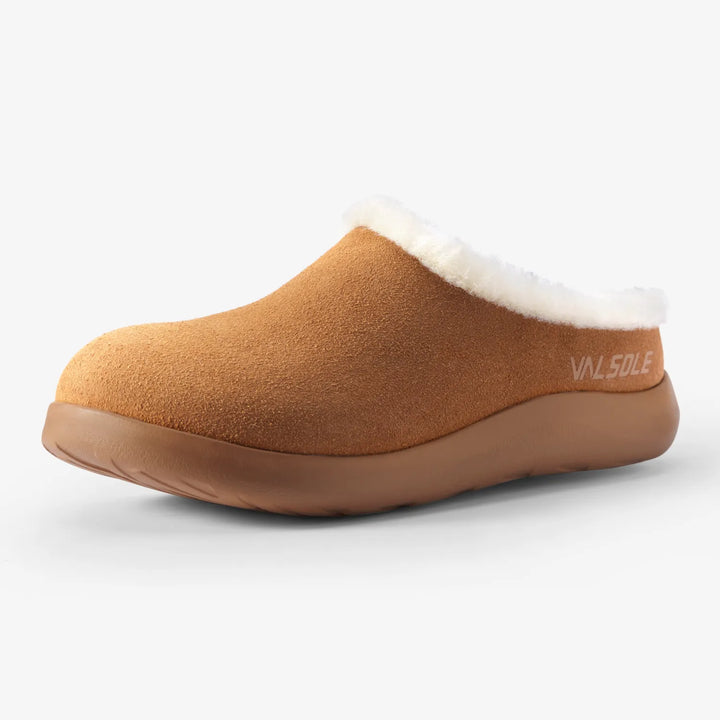
Hearth Clog is the clearest first move when your pain rebounds after work and hard home floors feel too punishing.
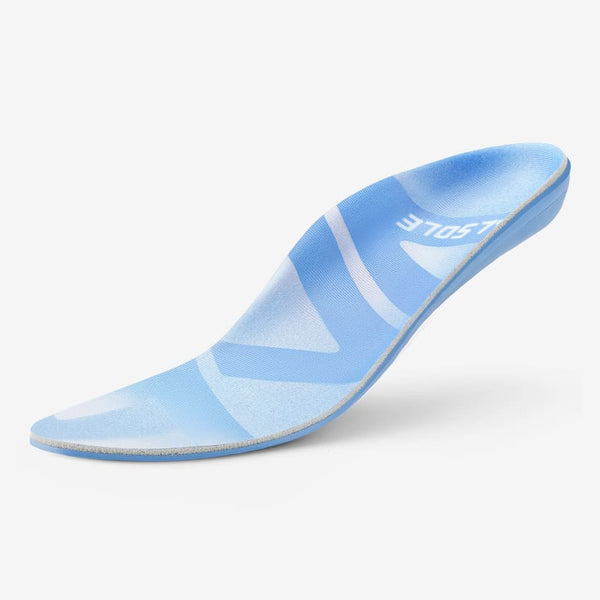
Stable Support insole should still be your daytime baseline if the whole foot fades during long shifts.
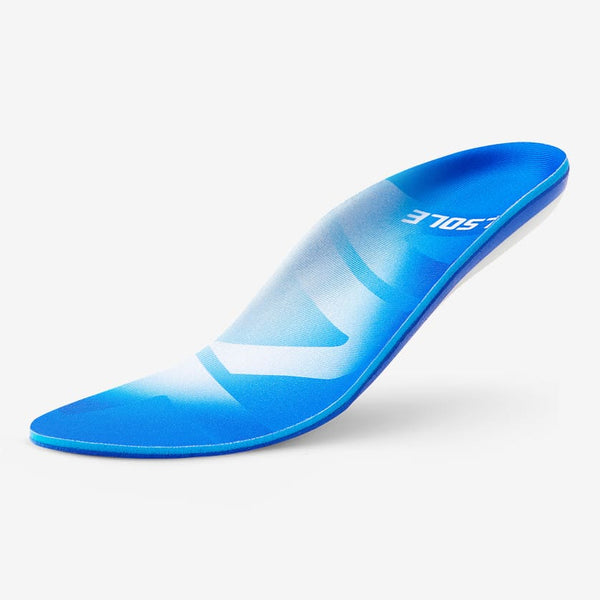
Heel Relief insole fits better if the heel is the first problem that fails during the day.
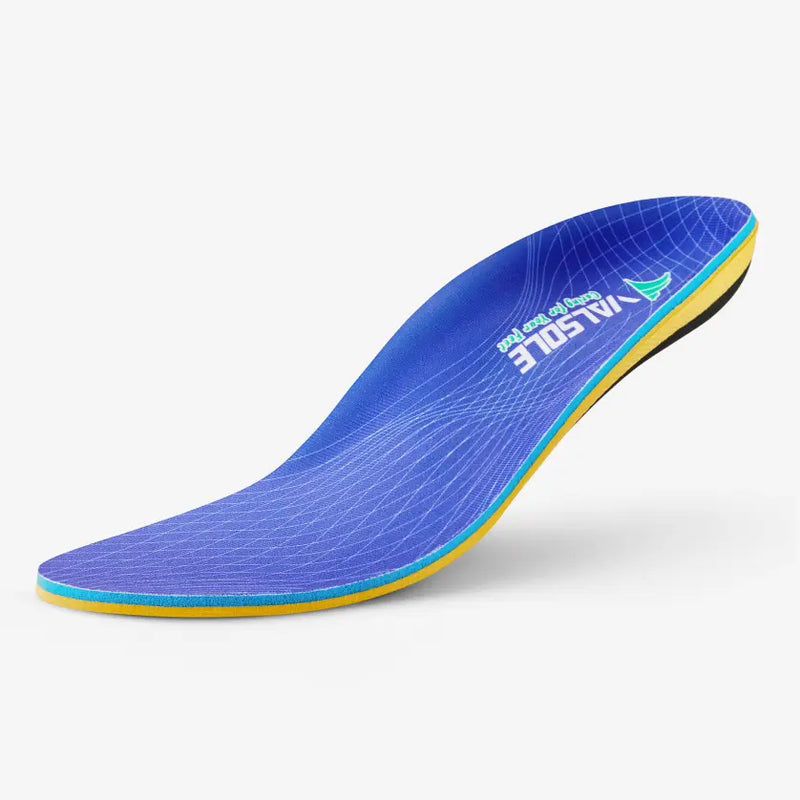
Fascia Soothe insole matters more when next-morning pain is the strongest clue and the recovery gap is only part of the picture.
Before adding recovery footwear, check fit and baseline support in the Size Guide, review the Arch Support Guide, and browse the Insoles collection if you need to compare daytime support options first.

FAQ
Do recovery slippers after standing all day actually help?
Yes, if the pain rebounds after work and the feet feel worse once support disappears.
Are recovery slippers enough by themselves?
Not always. If the workday support is still failing, the daytime setup needs attention first.
What if my worst pain is the next morning?
Then you may need both recovery support and a more symptom-matched daytime support profile, especially if the pattern is plantar-style.
What if home floors feel much worse than work floors?
That usually means the support system is disappearing too abruptly once shoes come off.
Can recovery slippers help heel pain?
Yes, especially when heel soreness spikes again during the evening.
Get recovery-phase support tips by email
If you want fewer wrong purchases, join the VALSOLE email list for fit tips, symptom-based comparisons, and the current new-subscriber offer. It keeps recovery-phase guidance, daytime support comparisons, and buying decisions in one place.
After you subscribe through the site email signup, save the Size Guide and the Insoles collection, and email support@valsole.com if you want a more specific recommendation.

Related recommendations
To compare next steps, review the Arch Support Guide, the Plantar Fasciitis Relief Guide, the Size Guide, and the Insoles collection.
CTA
Recovery slippers help most when the support system is failing after the workday, not only during it. If pain rebounds once your work shoes come off, that is a real pattern worth solving. If the shift itself is still too painful, fix that part first and then add recovery support if needed.
Start with Hearth Clog if after-work rebound is the biggest issue, compare Stable Support insole if the whole foot fades during the day, use Heel Relief insole for heel-dominant pain, and keep Fascia Soothe insole in mind if morning pain is still the strongest clue. Check fit in the Size Guide or compare all options in All products.
Shop the products most relevant to the support path discussed in this article.
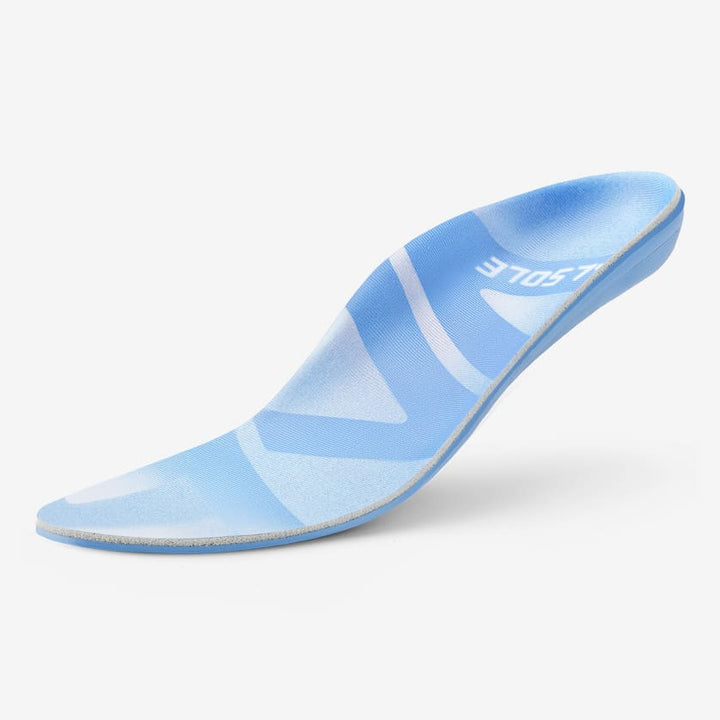

Keep reading with symptom-based guides and compare support options for your pain profile.


Loading size guide…


