




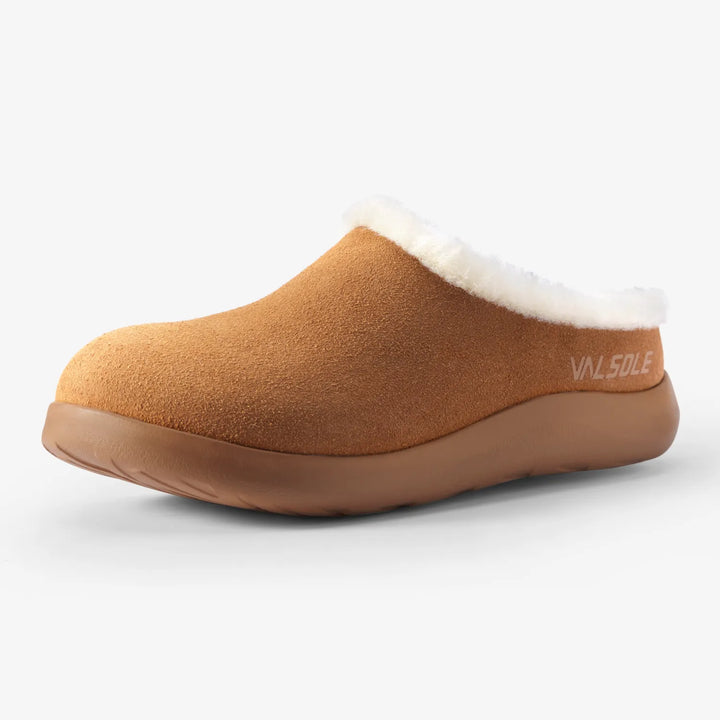
Hearth Clog
The Hearth Clog provides structured everyday stability and thermal comfort for users 220 lbs+,...
$59.99$89.99
View product


Many people assume they need softer shoes when their feet still hurt after standing all day at work. But pain can come from fading support, fit conflict, poor recovery after the shift, or a symptom pattern that your current setup never addressed in the first place.
Your feet can still hurt after standing all day at work if support, fit, and recovery are not solving the same problem.
If your feet still hurt after standing all day at work, the problem is not always that your shoes are bad. In many cases the support system is only solving part of the load. The shoe may feel fine early, but the insole fades later. The fit may look acceptable, but the instep or toe box may be under too much pressure after swelling. The workday may be manageable, but the recovery period after you take your shoes off may undo what the daytime setup helped. That is why pain can stick around even when nothing feels obviously wrong at first.
The best next step is not random replacement. It is identifying whether the real failure happens during the shift, after the shift, or the next morning.

Many people judge shoes too early. A shoe can feel comfortable in the first hour and still fail by the second half of the day. Support fade, heel stress, hard-floor load, and volume changes from swelling all show up later. That is why “my shoes feel fine” and “my feet still hurt” can both be true at the same time. When the timing of pain changes, the system has to be judged by end-of-day results and next-morning recovery, not only by early-shift comfort.

The right product recommendation depends on when the problem actually shows up. If your shoes feel acceptable but your feet still hurt late in the shift, the insole may not be keeping up. If pain comes back after the workday ends, recovery support may be the missing piece. If the heel or plantar area stays dominant, the support profile may need to change rather than simply get softer.
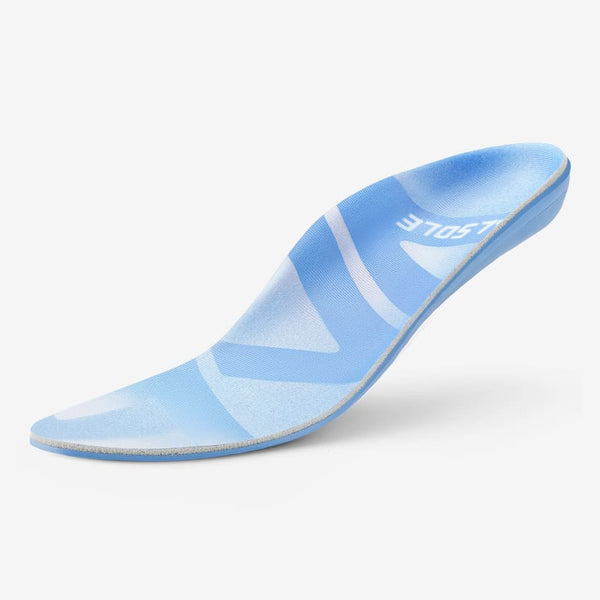
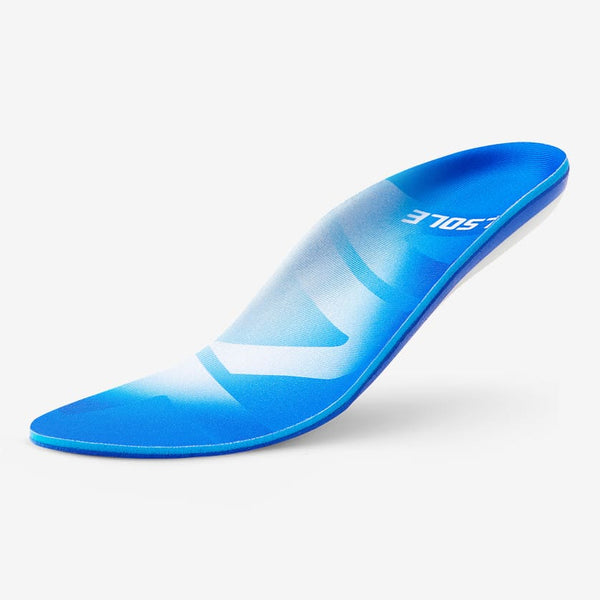
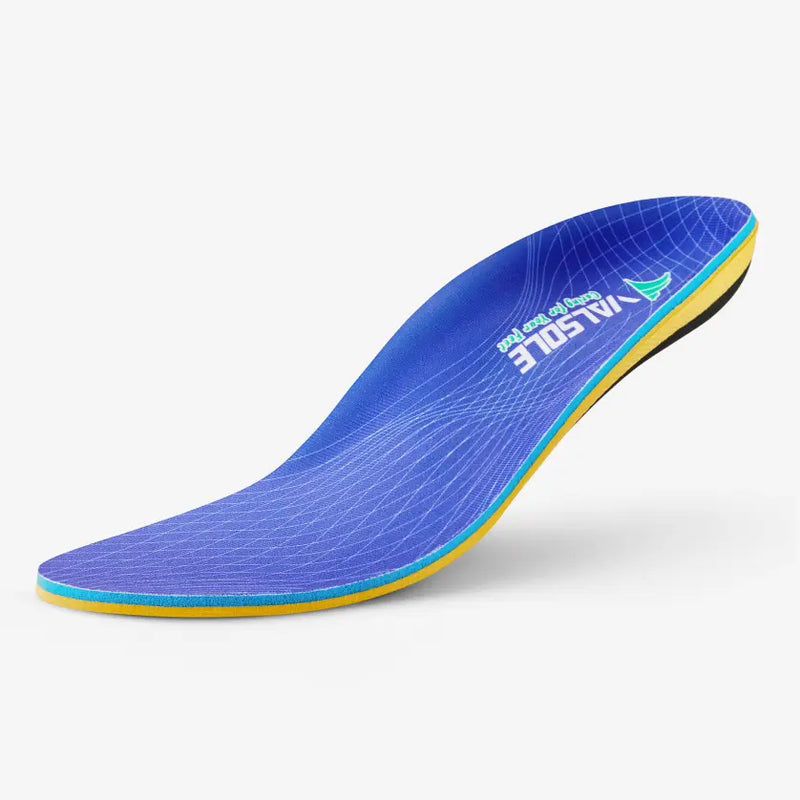
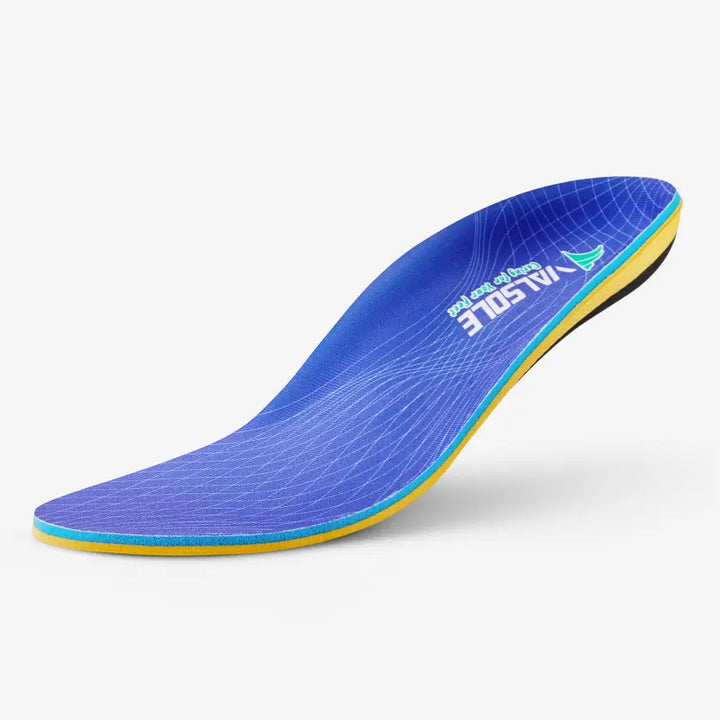
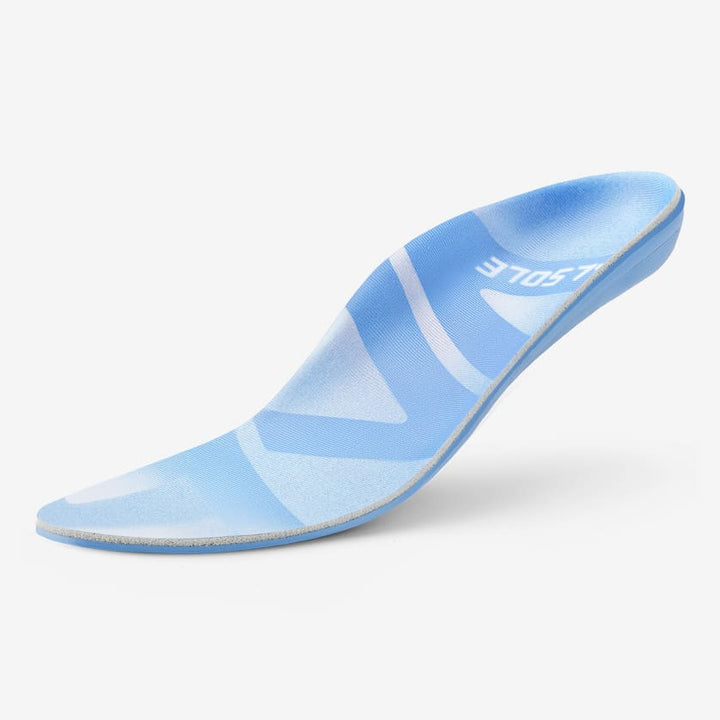
Stable Support insole is the best starting point when your feet feel progressively heavier through the day and you need more dependable all-day structure.
Heel Relief insole fits better when your main complaint stays concentrated under the heel instead of spreading evenly across the whole foot.
Fascia Soothe insole is a better first test when your real pain shows up the next morning and feels more plantar-style than purely impact-based.
Hearth Clog helps when the workday becomes manageable but home floors restart the soreness after you take your shoes off.
Before you change anything, check trim and volume in the Size Guide, compare support levels in the Arch Support Guide, and review the full Insoles collection if you need a broader comparison.

This kind of article builds trust best when it answers the question behind the question. Most readers are not only asking why their feet still hurt. They are asking whether they are missing something obvious, choosing the wrong support, or wasting money on changes that never match the real problem.
Why do my feet still hurt after standing all day at work even with good shoes?
Because the work system may still be failing later in the day. Support fade, swelling-related fit conflict, heel overload, or poor recovery can all keep pain high even when the shoes feel okay at first.
Does that mean I need new shoes?
Not always. If the shoe still feels stable, the insole or recovery phase may be the real problem.
What if the pain is mostly at the heel?
Compare Heel Relief insole first. If the pain pattern is stronger in the morning, also review Fascia Soothe insole and the Plantar Fasciitis Relief Guide.
What if my feet feel worse after work, not during it?
That usually points toward a recovery problem, not only a work-shift problem. In that case, Hearth Clog may help more than adding softness to the work shoe.

What if my shoes feel tight only after several hours?
That usually means fit and volume change through the day. Re-check the Size Guide before you blame support alone.

If you want more practical guidance like this, join the VALSOLE email list for fit tips, symptom-based comparisons, and the current new-subscriber offer. It helps you make support changes based on actual patterns instead of restarting the buying process from zero every time soreness comes back.
After you subscribe through the site email signup, save the Size Guide and Insoles collection, and email support@valsole.com if you want a more specific recommendation.
To go deeper, review the Arch Support Guide, check fit limits in the Size Guide, compare symptom timing in the Plantar Fasciitis Relief Guide, and browse the full Insoles collection.
If your feet still hurt after standing all day at work, the answer is rarely “buy the softest thing available.” The smarter move is to identify whether support fades during the shift, fit gets worse as the day goes on, or recovery breaks down after the shoes come off. Once that pattern is clear, the next product choice gets much easier.
Start with Stable Support insole for late-shift fatigue, compare Heel Relief insole for heel-focused pain, use Fascia Soothe insole when morning pain is the main clue, and add Hearth Clog if recovery is the weak link. Check fit in the Size Guide or compare everything in All products.
Shop the products most relevant to the support path discussed in this article.
Keep reading with symptom-based guides and compare support options for your pain profile.


Loading size guide…


