Free Shipping Over $50Clear pricing. No surprises.
30-Day Free ReturnsTry your fit risk-free.
Secure CheckoutSafe, protected payment.
Foot Pain Relief GuideFree with every order.
Standing all day insoles: support for long shifts and hard floors
Quick summary: standing-all-day insoles should be chosen by shift length, floor hardness, shoe fit, and where fatigue builds first. Start firmer when the workday is long, the surface is hard, or your shoes flatten under load.
How to choose insoles for standing all day
Quick verdict: match support strength to daily load.
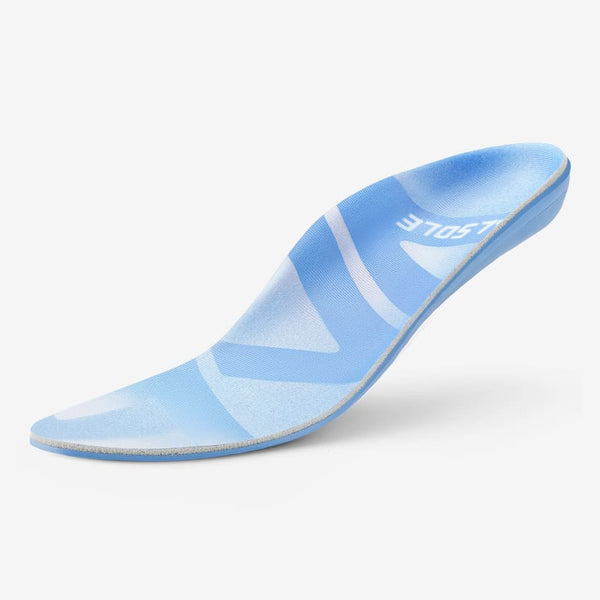
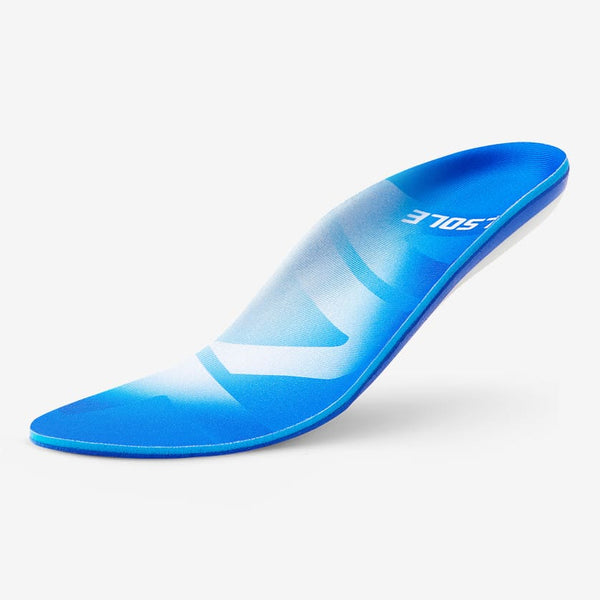
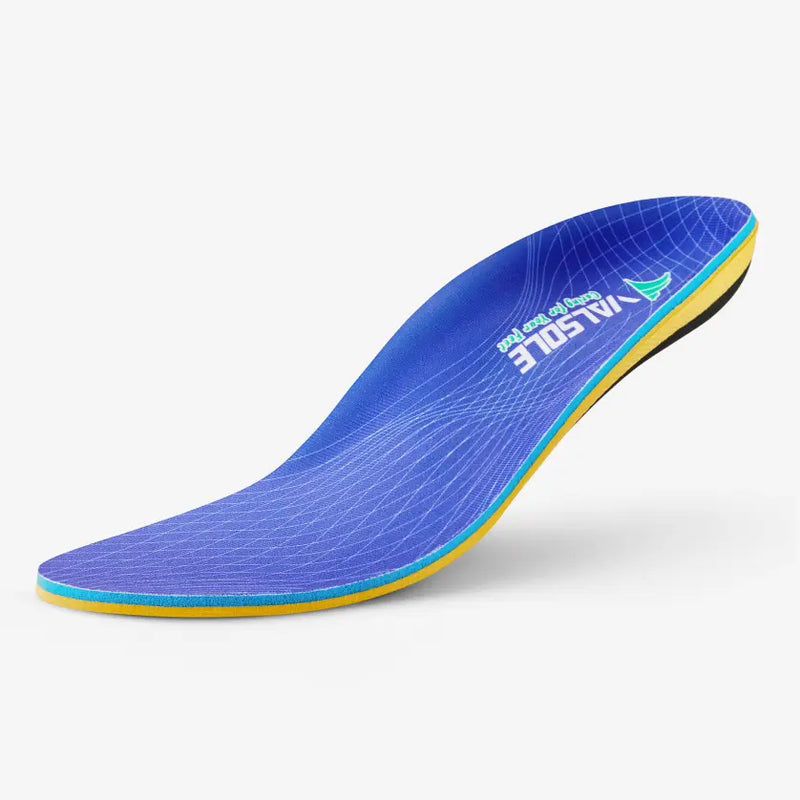
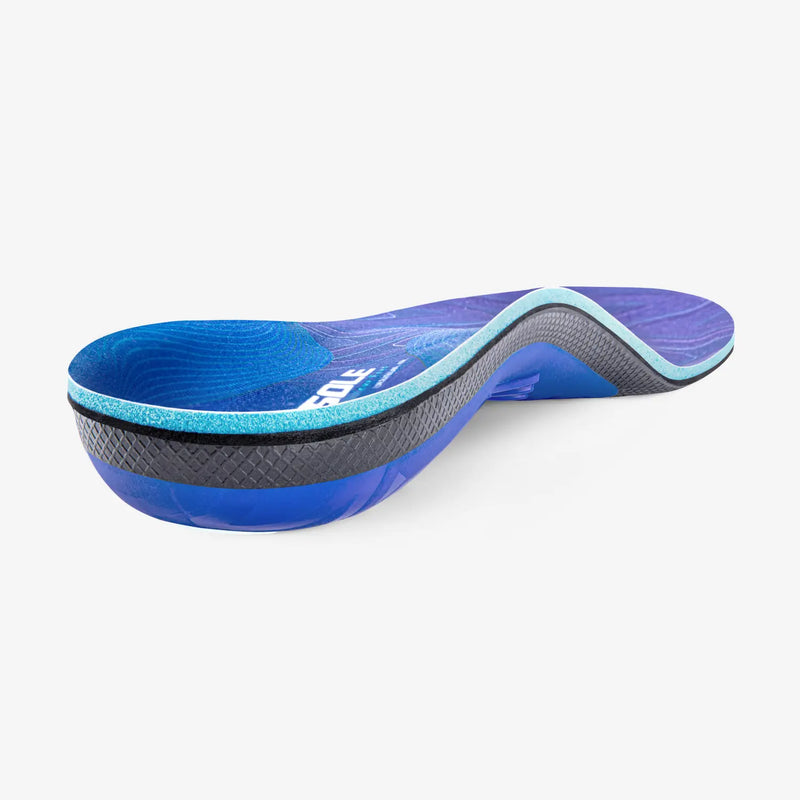
Heavy Duty is the strongest first path for long shifts, work shoes, and harder floors. Stable Support is the lighter route for everyday standing when shoes already feel roomy and stable. Fascia Soothe is the comparison path when pressure runs from heel to arch.
Standing support paths
Use these routes to move from standing-all-day intent into the strongest insole, lighter daily support, or guide path.
Start with the daily load. Heavy Duty is the stronger route for long shifts, hard floors, and work shoes. Stable Support is the lighter route for broader everyday arch fatigue.
Are standing all day insoles different from walking insoles?
Standing all day usually needs support that holds shape under repeated load. Walking insoles can be lighter and more focused on step comfort and shoe fit.
Which product should I compare first for long shifts?
Compare Heavy Duty first when the main problem is long standing, heavier impact, or hard work surfaces. Compare Fascia Soothe if pressure runs from heel to arch.
Can insoles help when shoes already have cushioning?
Yes. Cushioned shoes can still feel flat under long daily load. Insoles add structure, arch shape, and heel support that shoes may not provide on their own.