Foot Comfort Foundations: A 4-Week Daily Support Plan
Sixteen short, self-paced lessons on everyday foot comfort: noticing your daily load, gentle movement basics, steady support choices, and long-term habits for standing days, walking, and recovery. No account, no email, no video — read at your own pace.
This course shares general foot-comfort and daily-movement education. It does not diagnose a condition, replace personal medical advice, or promise a result.
When to stop and seek help
Stop an activity and seek medical advice promptly after a significant injury, if you cannot bear weight, or if you have severe or worsening swelling, redness, heat, numbness, tingling, fever, or a foot wound that is not healing. If you have diabetes or a condition affecting circulation or sensation, ask a qualified clinician before changing your foot-care routine.
Exercise guardrail
Only try an activity that feels appropriate for you. Use a stable support when balance is involved, move in a slow controlled way, and stop rather than pushing through sharp, increasing, or unfamiliar symptoms.
All lessons are optional. Every movement lesson sits below the exercise guardrail above, and the stop notice applies to the whole course.
Exercise guardrail: Only try an activity that feels appropriate for you. Use a stable support when balance is involved, move in a slow controlled way, and stop rather than pushing through sharp, increasing, or unfamiliar symptoms.
W2L1 Gentle ankle motion
Lesson focus
Explore small, controlled ankle movement while seated and supported.
Before you begin
Sit securely with your feet clear of the floor. This activity is optional and only for a comfortable range.
Try this
Sit tall in a stable chair.
Move one ankle slowly in a small comfortable pattern, led by the foot rather than the knee.
Return to a relaxed position before deciding whether another gentle movement feels appropriate.
What to notice
Keep movement small and controlled; there is no required range, number, or progression.
Stop / choose another next step
Stop for pain, dizziness, loss of balance, or unfamiliar symptoms.
Completion check
I can describe what a controlled, comfortable ankle movement feels like for me today.
Source
S1.
W2L2 Wall-supported calf stretch
Lesson focus
Review a wall-supported calf stretch with both feet grounded and no bouncing.
Before you begin
Stand facing a stable wall with clear space around you. Skip this lesson if standing or weight-bearing is not appropriate today.
Try this
Place your hands on the wall for support.
Keep both feet grounded and move into only a gentle calf stretch.
Keep the movement slow and return to neutral without bouncing or forcing the range.
What to notice
The stretch should remain controlled and comfortable rather than intense.
Stop / choose another next step
Stop if the position brings pain, unsteadiness, or unfamiliar symptoms.
Completion check
I know that stable support, both feet grounded, and no bouncing are the key boundaries.
Source
S1, S2, S3.
W2L3 Supported heel raise
Lesson focus
Review a slow two-foot heel raise using a stable chair or wall for balance.
Before you begin
Stand close enough to a stable chair, counter, or wall to keep both hands available for support. Skip if weight-bearing is not appropriate.
Try this
Begin with weight shared comfortably through both feet.
Hold the stable support and rise only as far as feels controlled.
Lower slowly and return to a stable standing position.
What to notice
This course does not ask for a one-foot variation, added load, or a volume target.
Stop / choose another next step
Stop if balance changes, pain appears, or the movement no longer feels controlled.
Completion check
I can identify the stable support and two-foot setup needed before considering this movement.
Source
S1, with the course limited to a supported two-foot general-education version.
W2L4 Review movement signals
Lesson focus
Decide whether to keep a gentle movement as an optional routine or pause and seek guidance.
Before you begin
Think back to the movement lesson that felt most relevant. Do not use this review to self-diagnose.
Try this
Notice whether the movement felt controlled and manageable.
Notice whether you needed more stable support or a smaller range.
Choose either a familiar, comfortable next step or a pause.
What to notice
A pause is a valid choice when an activity is not appropriate.
Stop / choose another next step
Use the global stop-and-seek-help notice for concerning symptoms or uncertainty.
Completion check
I can choose between a manageable routine, a simpler option, or pausing.
Source
S1, S6.
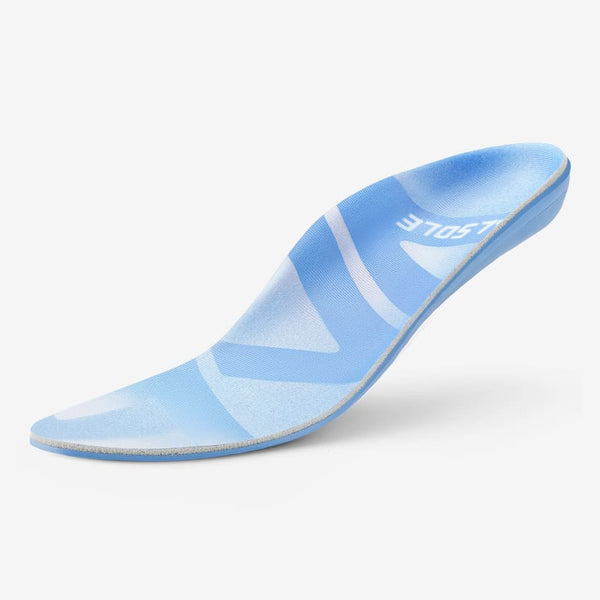
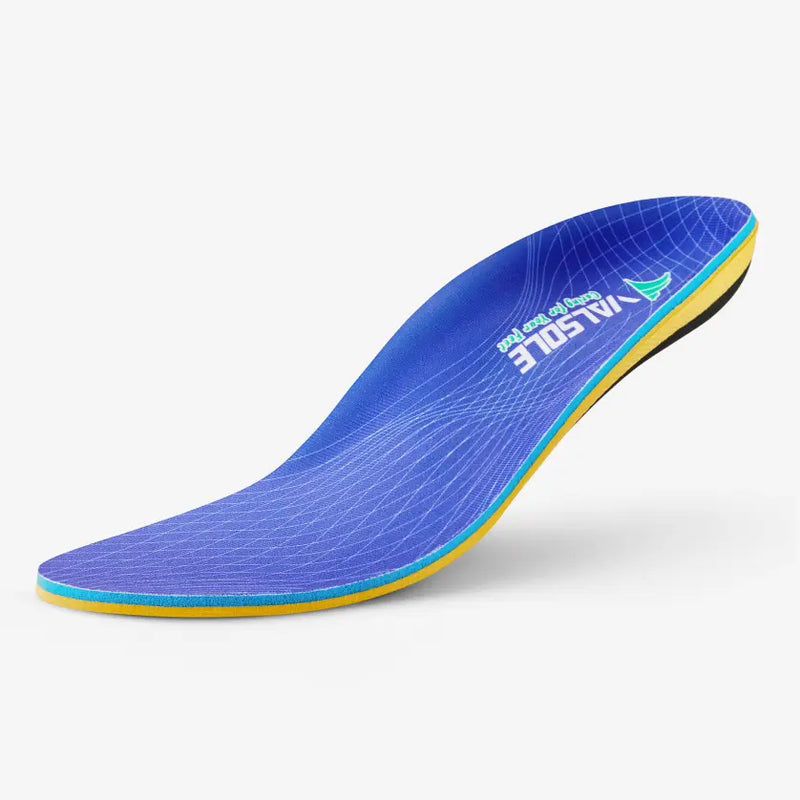
Optional next step — compare in-shoe support categories; a shopping comparison, not a recommendation.
Exercise guardrail: Only try an activity that feels appropriate for you. Use a stable support when balance is involved, move in a slow controlled way, and stop rather than pushing through sharp, increasing, or unfamiliar symptoms.
W3L1 Set up for steady balance
Lesson focus
Prepare a safe, supported position before any optional balance-related movement.
Before you begin
Stand beside a stable counter or chair in clear space, with both feet on the floor and both hands able to reach support.
Try this
Check that the support does not move.
Place both hands where they can steady you.
Keep both feet grounded while you decide whether a gentle supported movement is appropriate.
What to notice
Setup comes before movement. This course does not introduce unsupported or single-leg balance work.
Stop / choose another next step
Stop if you feel unsteady or if the support surface is not reliable.
Completion check
I can identify a stable support and clear space before attempting a balance-related activity.
Source
S1, S2.
W3L2 Practice a supported weight shift
Lesson focus
Explore a small side-to-side weight shift with stable support available.
Before you begin
Use the supported setup from W3L1. Both feet remain on the floor throughout.
Try this
Keep both hands available on the stable support.
Shift weight gently from one foot toward the other within a comfortable range.
Return to a centered, stable position before deciding whether to continue.
What to notice
Move slowly enough to stay in control. There is no single-leg progression or performance target in this course.
Stop / choose another next step
Stop for pain, unsteadiness, or unfamiliar symptoms.
Completion check
I can explain why stable support and a small comfortable range matter here.
Source
Editorial adaptation limited to the supported-movement principles in S1 and S2.
W3L3 Repeat a controlled heel raise
Lesson focus
Revisit the supported heel-raise setup only if it remains comfortable and controlled.
Before you begin
Use a stable chair, counter, or wall and begin with weight shared through both feet.
Try this
Recheck your support and footing.
Use the same slow two-foot rise and controlled return from W2L3.
Finish while the movement still feels ordinary and stable rather than pushing for more.
What to notice
Repetition is not a progression rule. The course does not prescribe added load, speed, or a number of repetitions.
Stop / choose another next step
Stop if control, balance, or comfort changes.
Completion check
I can distinguish a controlled repeat from pushing through an unsuitable movement.
Source
S1.
W3L4 Choose the support path
Lesson focus
Use daily load, shoe room, and support preference to choose a shopping comparison path.
Before you begin
Return to the routine you named in Week 1. This is a product-selection step, not a clinical assessment.
Try this
Start with the daily load or surface that matters most.
Check whether shoe space is part of the decision.
Compare an existing guide, collection, or Quick Match when you want a clearer product path.
What to notice
A support path should match the routine and footwear context you can describe.
Stop / choose another next step
Use a qualified clinician rather than a product guide when questions go beyond general comfort education.
Completion check
I can name the product-selection question I want a guide or Quick Match to help me compare.
Source
Editorial scope.
Optional next step — an everyday standing path comparison, not a recommendation.