


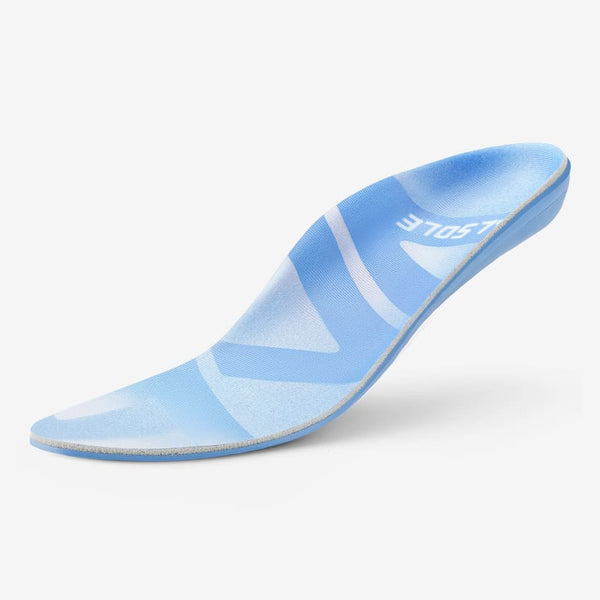
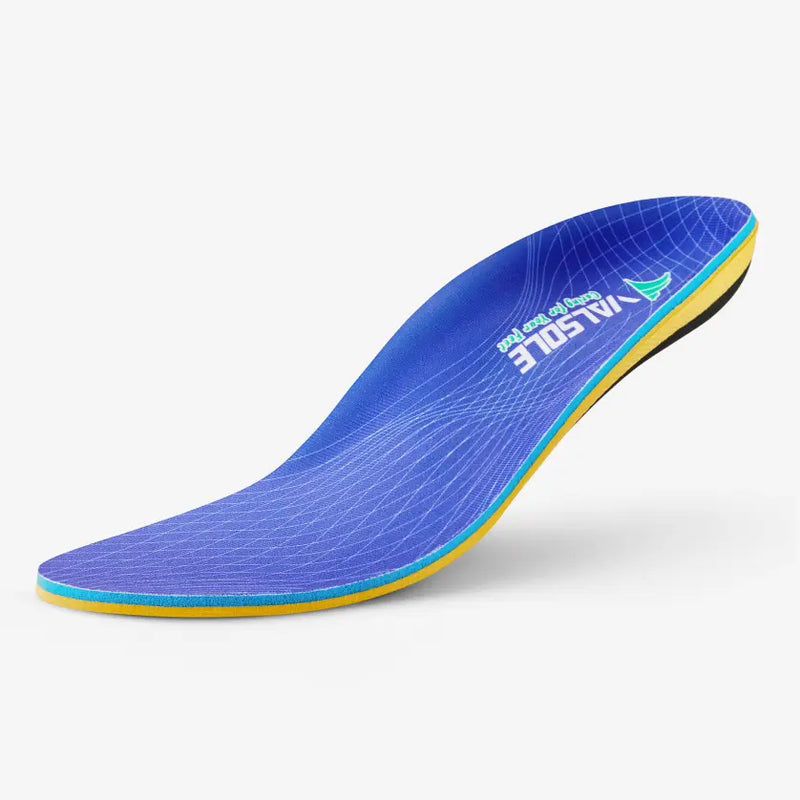


Stable Support
Start with Stable Support if you want balanced daily structure and smoother heel-to-arch control for walking, work, and general wear.
Shop Stable Support
High arches often need more than soft cushioning alone. This guide helps you compare the right balance of support, pressure relief, and footwear stability so the foot feels calmer, more connected, and easier to manage across daily walking, work, and recovery.
Use recent foot-pain news, orthopedic footwear reporting, and buyer-focused updates to make better compare-page decisions.
Start with Stable Support if you want balanced daily structure and smoother heel-to-arch control for walking, work, and general wear.
Shop Stable Support
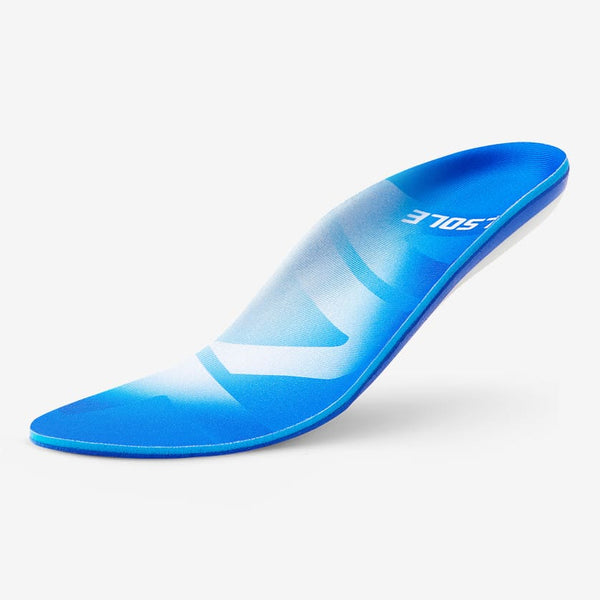
Start with Fascia Soothe if underfoot tenderness, pressure relief, and a calmer step feel matter more than maximum firmness.
Shop Fascia Soothe
Use Hearth Clog when high arches feel most aggravated at home or after the day, especially on harder indoor floors.
Shop Hearth ClogHigh arches usually do best with support that improves contact, heel stability, and pressure distribution without creating a harsh arch ridge. The goal is to reduce instability and pressure concentration, not force an overly aggressive feel into the midfoot.
Most high-arch shoppers need both, but in the right order. Cushioning helps absorb load, while support helps stop the foot from feeling unstable or overly concentrated on the heel and forefoot. Too much softness without structure usually fails first.
Stable Support is usually the best first comparison for balanced everyday use. Fascia Soothe becomes more relevant when pressure relief and underfoot tenderness matter more. Supportive shoes become more important when the whole footwear base feels wrong, not just the insert.
Start with shorter wear blocks and increase gradually across the first week. High-arch users usually feel mismatch quickly, so comfort should improve with adaptation, not worsen into sharp or localized pressure.
Loading size guide…


