


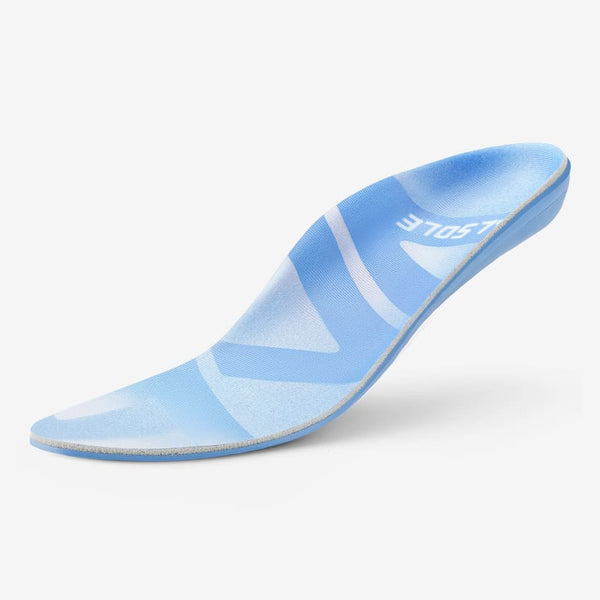
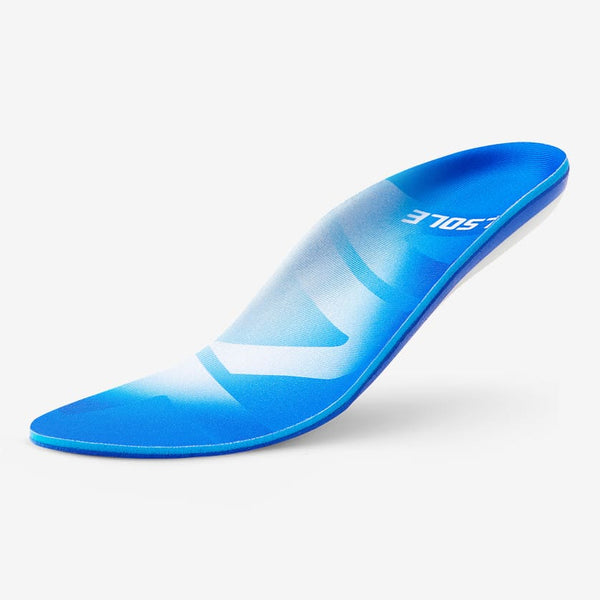

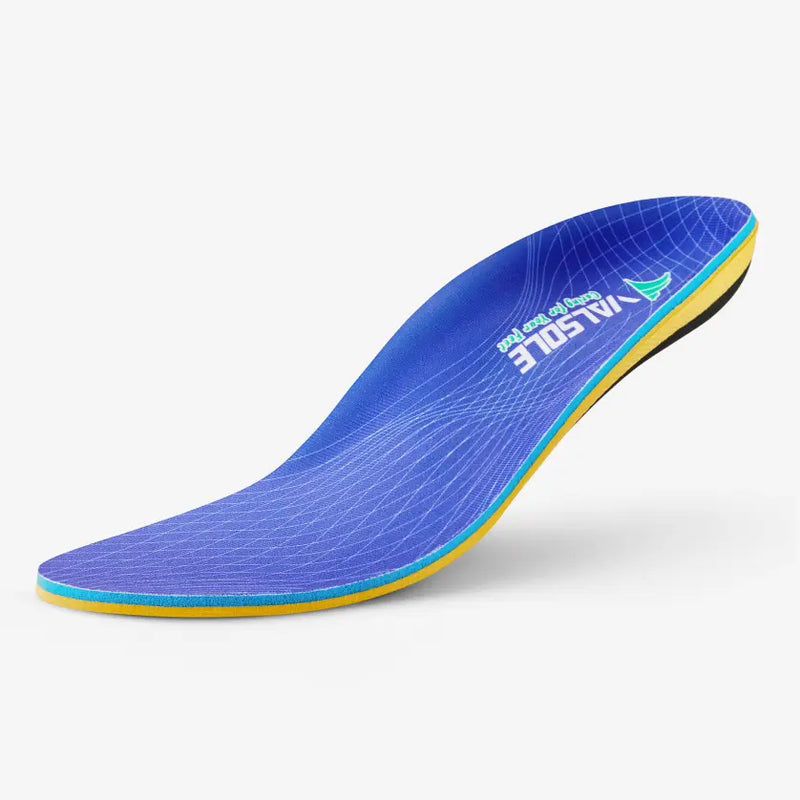




Strong fit
Heavy Duty Insole
Your pattern points to high-load in-shoe support.


Most insoles do not fail in one dramatic moment. They usually wear out by losing consistency. What once felt supportive starts feeling flatter, less stable, or less useful later in the day. That is why many shoppers keep blaming their feet, their floor, or their schedule long after the real issue has become simple support fatigue inside the insole itself. The smartest buying move is to recognize when the support profile has changed enough that the insert is no longer doing the same job it did when it was new.
In other words, wear-out is often a support-performance problem before it becomes a visual problem.

One of the clearest signs of a worn-out insole is that the first hour still feels acceptable, but the support drops off too quickly as the day goes on. If your feet feel much worse by midday than they used to in the same shoes, the issue may not be your routine. It may be that the insole is no longer holding shape, pressure distribution, or heel stability well enough once repeated load builds up.
When an insole wears down, pressure often drifts instead of staying distributed the way it should. That can show up as sharper heel fatigue, more arch irritation, or forefoot soreness that did not feel as obvious earlier in the insole's life. A support insert that no longer controls load consistently can make the same shoe feel like a different shoe by the end of the day.
Sometimes the visual clues finally catch up to the feel. If the heel cup looks compressed, the arch contour appears flatter, or the forefoot area is visibly more collapsed than the rest of the insert, that usually means the structure is no longer doing its original job. The key point is not cosmetic perfection. It is whether the insert still gives a reliable support shape where daily force hits hardest.
If the same pair of shoes suddenly feels looser, less stable, or less supportive under the heel and midfoot, the insole may be the missing variable. Many shoppers assume the shoe is failing first, but sometimes the upper and outsole are still fine while the insert has stopped supporting the foot inside that platform. That is why it helps to compare the feel of the same shoe with a fresher insert before replacing the whole setup.
If you suddenly need more after-work recovery, more at-home relief, or more symptom management even though your work and walking pattern looks roughly the same, your insole may be underperforming. Worn-out insoles often show up through the recovery burden they leave behind. The day may not feel catastrophic in the moment, but the foot feels more drained after repeated use because the support layer is no longer absorbing and guiding the load properly.
For the best next step, start with the Insoles Complete Guide if you need a full replacement framework, compare options in the insole collection if you are ready to shop now, and review the Foot Pain Relief Guide if worn-out support has already turned into a broader daily pain pattern.
Keep reading with symptom-based guides and compare support options for your pain profile.


Loading size guide…