




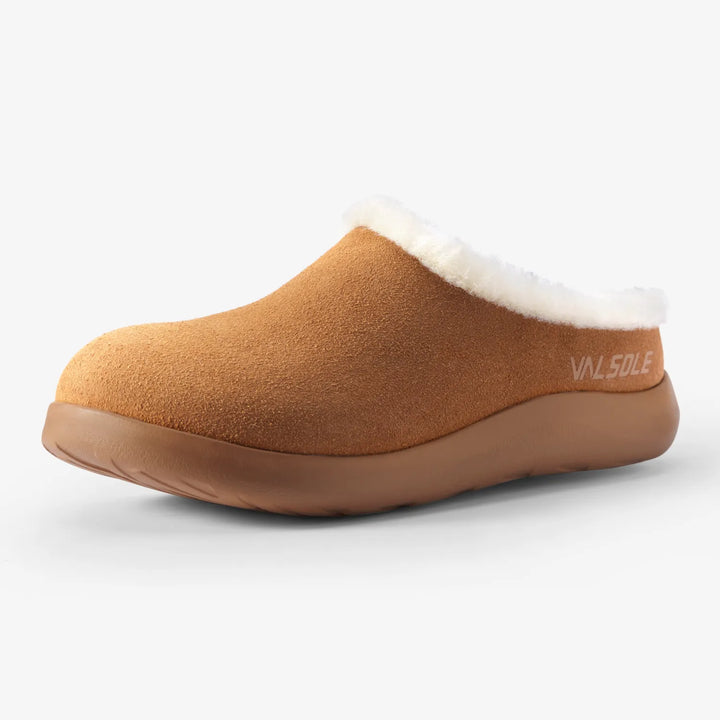
Hearth Clog
The Hearth Clog provides structured everyday stability and thermal comfort for users 220 lbs+,...
$59.99$89.99
View product


If your week includes both low-impact walking and higher-load gym sessions, one support setup often becomes a compromise. Most users with mixed demands perform better with two calibrated profiles: a stable daily-wear setup and a training-focused setup. If your activities are uniform and symptoms are mild, one well-matched setup can be enough.
The decision should be based on load variability, not convenience alone. Higher variation usually needs higher specialization.
Match your weekly pattern to this matrix before buying additional products.
| Weekly pattern | Recommended strategy | Reason | Risk if ignored |
|---|---|---|---|
| Mostly walking + light daily tasks | One setup | Load demand is consistent | Overbuying complexity without measurable gain |
| Walking + strength / cardio sessions | Two setups | Impact and motion patterns differ | Either training instability or daily discomfort |
| Long standing work + training + recovery | Two setups + recovery layer | Highest load variability | Symptom rebound and poor adaptation |
Use setup A for work and walking: stable heel control, durable support retention, predictable all-day comfort. Use setup B for gym sessions: motion-compatible support with better lateral confidence and rebound behavior under repeated load. Keep core geometry related so transitions are smooth rather than abrupt.
For recovery periods, use supportive low-load footwear to reduce hard-floor rebound stress and preserve next-day readiness.
Stay with one setup if your activities are similar in duration and intensity, symptoms are mild, and your current profile remains stable through the day. In this case, complexity may reduce adherence without improving outcomes. The one-setup model succeeds when consistency is high and support demand does not swing dramatically between contexts.
If discomfort appears only in one specific context, that is the signal to split setups rather than forcing one profile everywhere.
Track context-specific outcomes: walking fatigue, training stability, and next-day soreness. If one setup underperforms in one context while succeeding in another, move to two setups. Keep one variable fixed per adjustment so you can attribute changes accurately.
Choose the strategy that gives the best weekly stability across all contexts, not the best score in only one context.
For next steps, map your activity load in the Arch support guide, assign a low-load recovery option with Propel Flip, and use Hearth Clog to keep indoor support continuity on hard floors.
Shop the products most relevant to the support path discussed in this article.

Keep reading with symptom-based guides and compare support options for your pain profile.


Loading size guide…


