


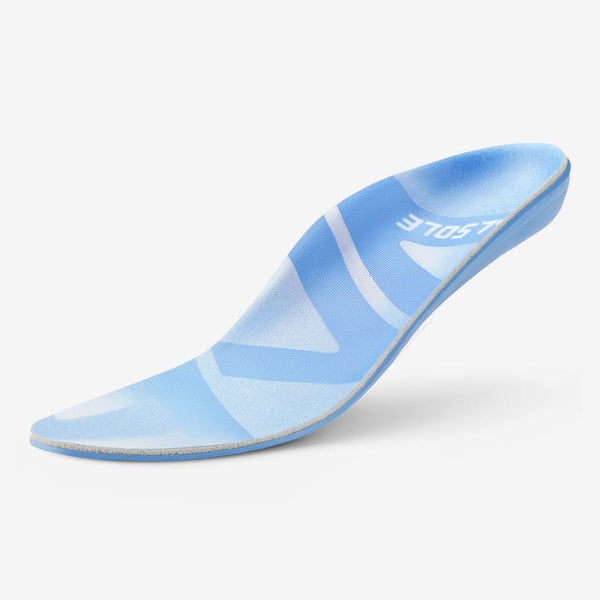
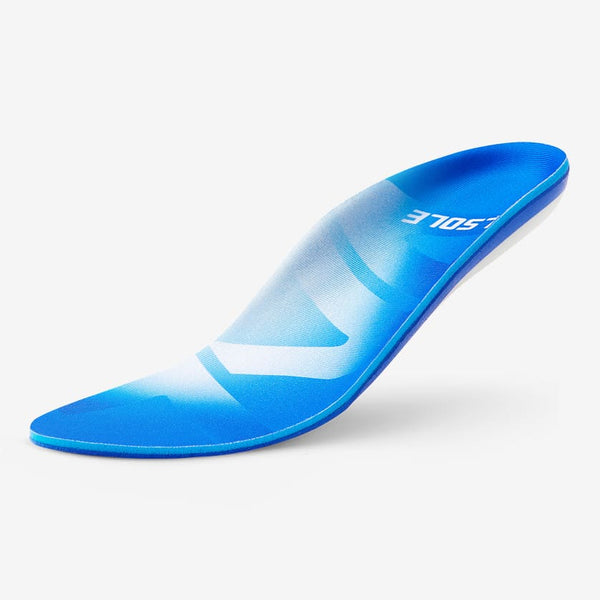
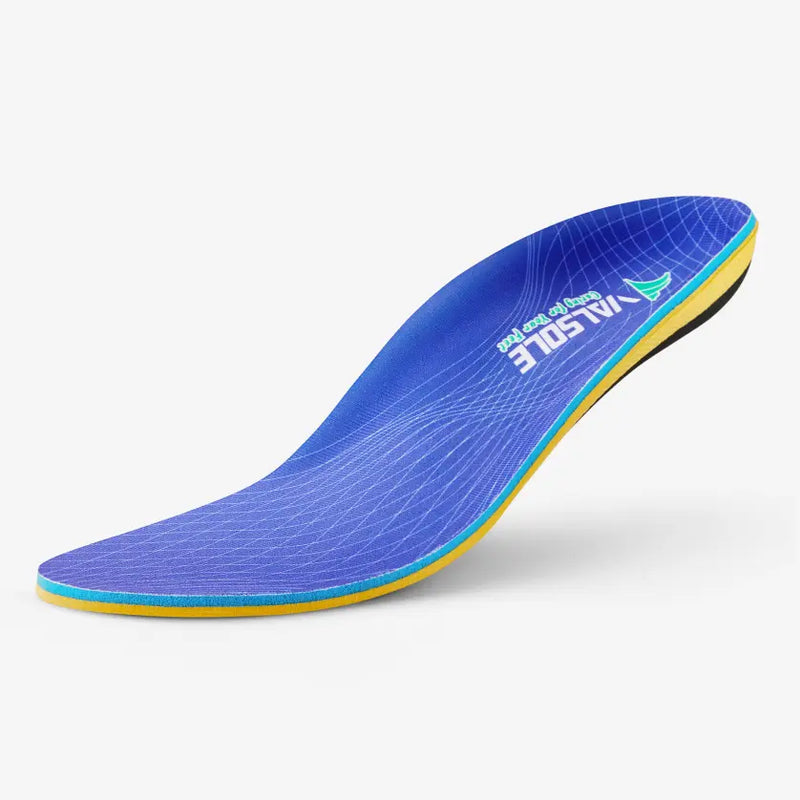


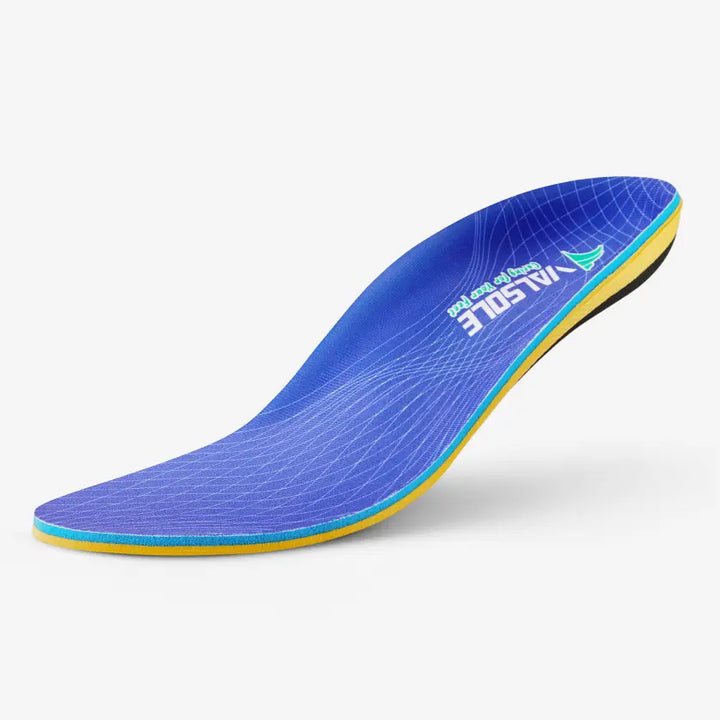
Heavy Duty
Heavy Duty is VALSOLE's firmer in-shoe support path for long standing, work boots, and...
$35.98$39.99
View product


Factory shifts often combine hard floors, standing stations and repeated walking in safety shoes or work boots. Start with the concrete-floor insoles collection, then compare the option against the actual shoes and socks used on shift. The useful choice is the one that sits flat, keeps the heel secure and leaves usable room—not simply the softest or firmest label.
This is a product-selection guide, not a diagnosis or a guarantee of all-shift comfort. If a setup creates new pain, numbness or sharp pressure, stop and reassess fit rather than forcing a break-in period.
| Shift pattern | What to inspect | Next comparison |
|---|---|---|
| Long standing blocks in roomy work boots or shoes | Removable liner, heel lock and comfortable arch contact | Heavy Duty if a firmer support feel suits the shoe after the fit check. |
| Frequent walking between stations | Heel movement, toe room and whether the insert shifts while turning | Read the walking-and-standing fit guide. |
| Low-volume safety shoes | Space over the top of the foot and pressure under laces | Do not add bulk by default; compare product profile and the size guide. |
| Unclear shoe room or mixed pressure signals | Whether the current liner can be replaced and the footbed remains flat | Use Quick Match before choosing a support path. |
For a longer concrete-floor standing routine, use the standing-on-concrete work-shoe guide. For a broader arch-support decision inside work shoes, compare the arch-support insole collection. Check current variant sizes, stock, delivery and returns on the product page before ordering.
No. Shift length and surface provide context, but shoe volume, heel hold and the support feel you can tolerate decide whether an option is suitable.
Only if the product and shoe instructions support that setup. Stacking often removes the room needed for toe movement and a secure heel.
Do not rely on a product change alone. Seek qualified medical advice for sudden, severe, persistent or injury-related symptoms, swelling or numbness.
Shop the products most relevant to the support path discussed in this article.
Keep reading with symptom-based guides and compare support options for your pain profile.


Loading size guide…


