
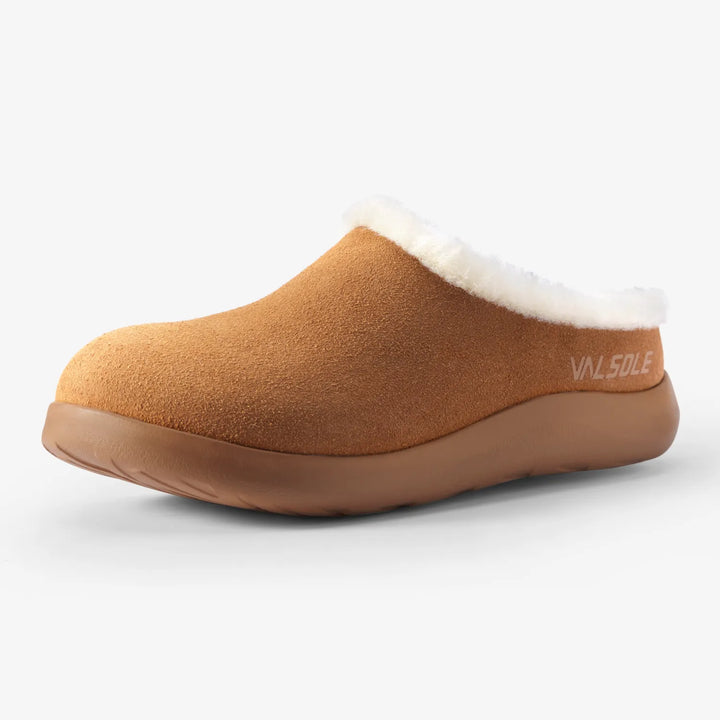
Hearth Clog
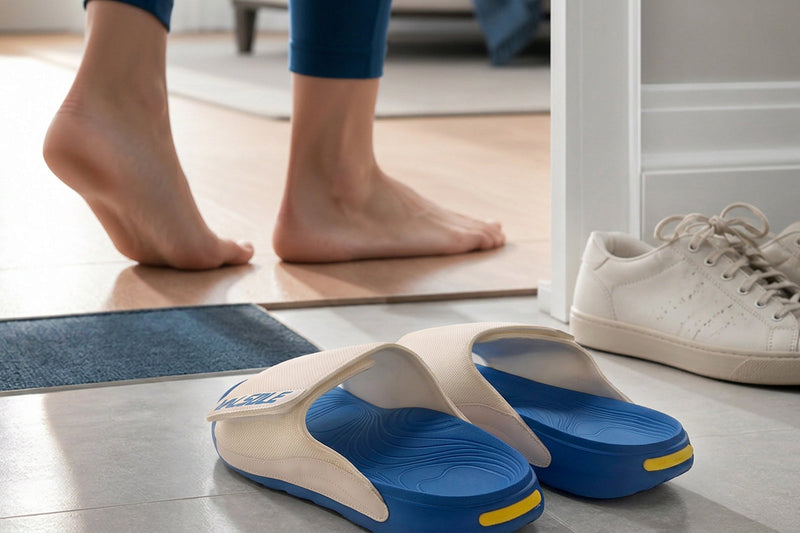
The Hearth Clog provides medical-grade stability and thermal comfort for users 220 lbs+, featuring...
$69.99$89.99
View product


The best insoles for hospital shoes need to do more than feel soft at the beginning of the day. The right choice depends on how your feet respond to long shifts, hard floors, repeated walking, and whether your pain builds during the shift or after it.
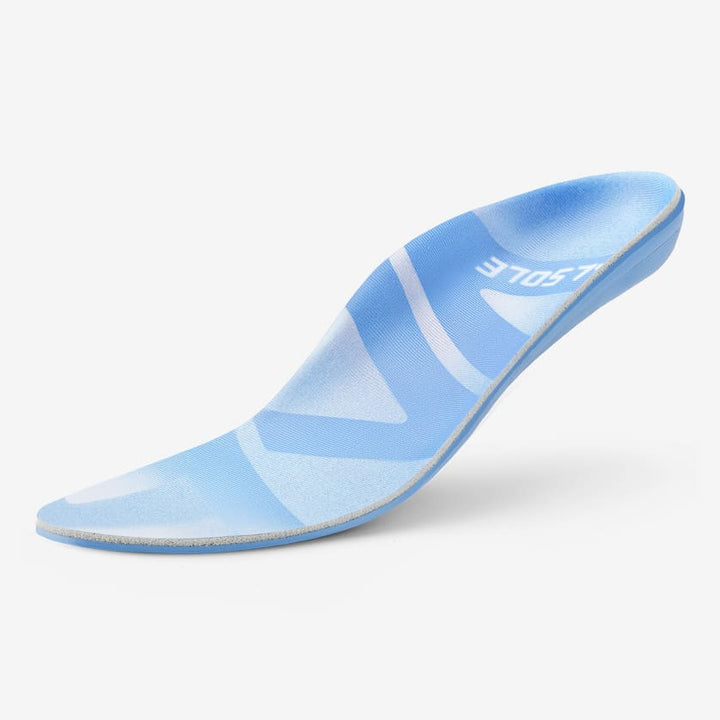
The best insoles for hospital shoes balance support retention, heel comfort, and fit that stays usable through long shifts on hard floors.
Hospital shoes do not fail only because they are too flat or too soft. They often fail because they have to handle repeated walking, long standing blocks, hard clinical flooring, and the kind of fatigue that builds late in the shift. The best insoles for hospital shoes need enough structure to stay useful after several hours, enough comfort to reduce heel stress, and a profile that does not crowd the shoe as the day goes on.
If your shoes feel acceptable early but your feet feel heavier, sorer, or less stable by later hours, the problem is usually support fade rather than lack of softness alone.

The right choice depends on where the shift breaks you down first.
If your whole foot feels more tired by the second half of the day, a more balanced all-day support profile usually makes the most sense. If the heel gets sore before the rest of the foot, a heel-focused option is often the better first test. If the real pain shows up the next morning, you may need a support profile that fits plantar-style overload instead of only daytime fatigue. If your workday gets more manageable but the pain returns after shoes come off, the recovery phase may still be under-supported.
Hospital shoes usually have less extra room than bulkier work shoes, so fit matters as much as support. The right insole should help the foot stay more stable without making the shoe feel crowded across the instep or toe box.

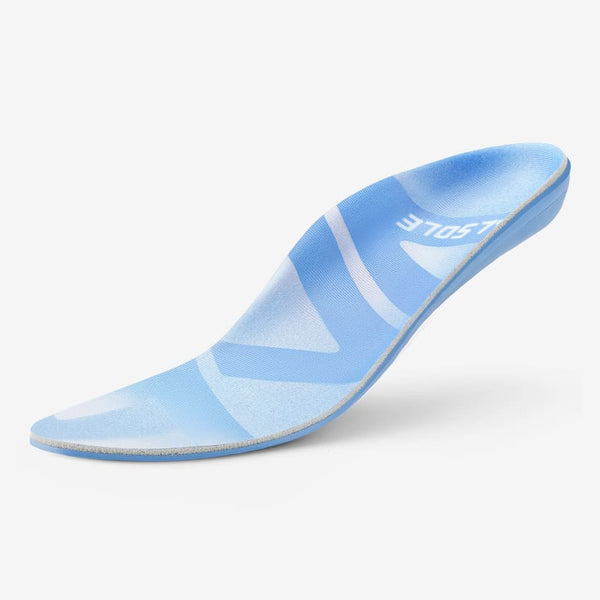
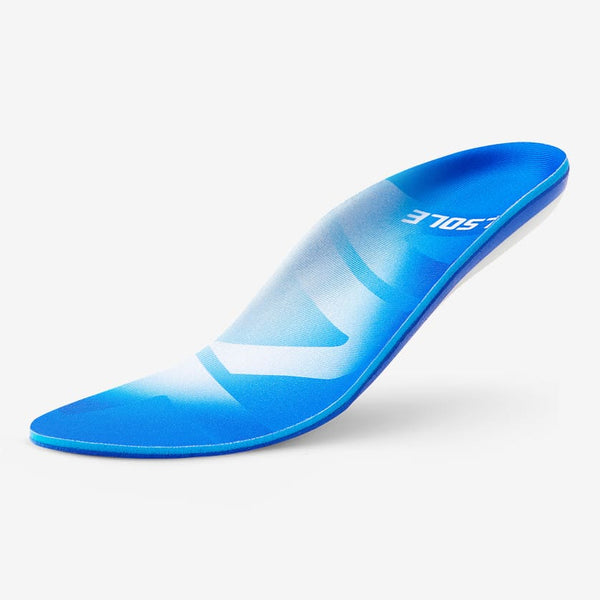
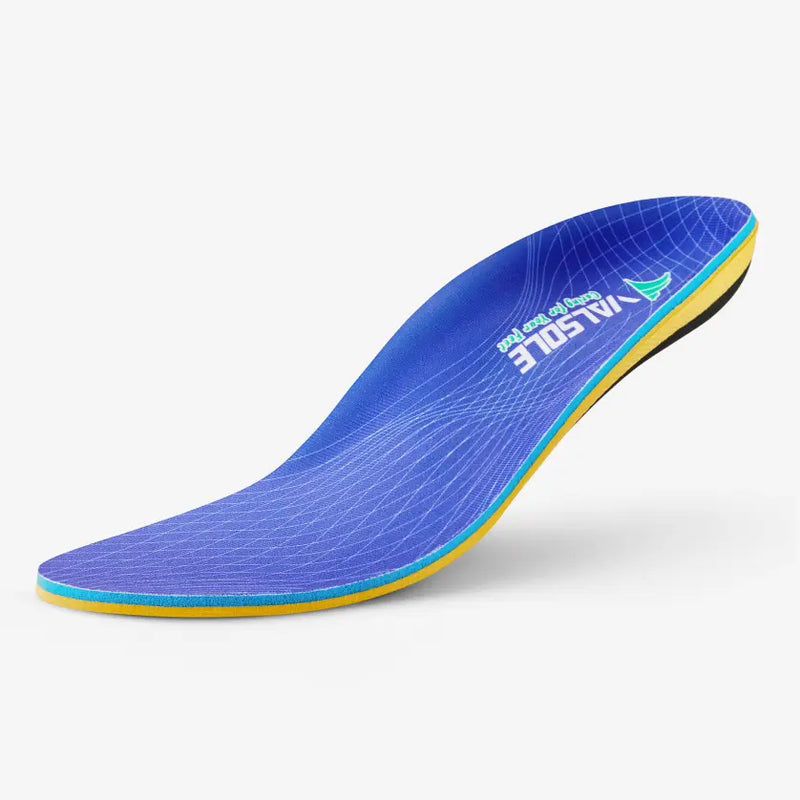
Stable Support insole is the best starting point if you want a more balanced all-day option for long hospital shifts and repeated walking.
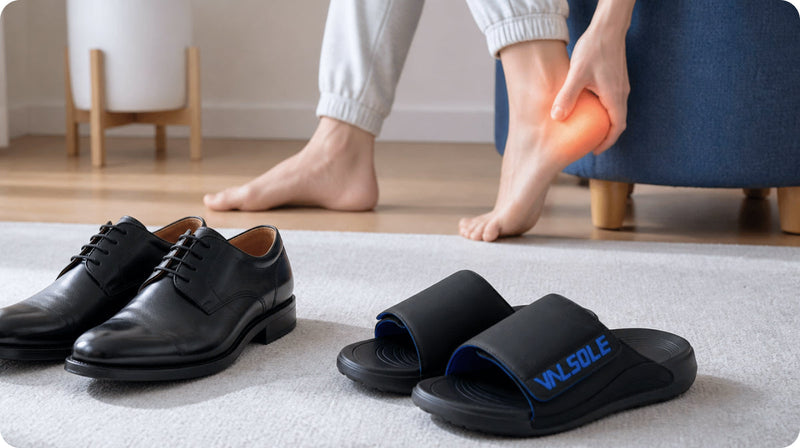
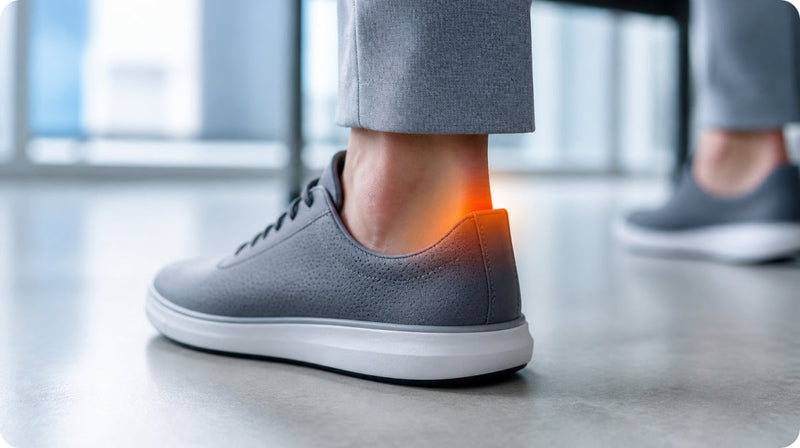
Heel Relief insole makes more sense if heel pain is the first symptom that shows up and becomes the main reason the shift feels harder.
Fascia Soothe insole is the better first test if the strongest pain appears the next morning rather than during the first half of the shift.
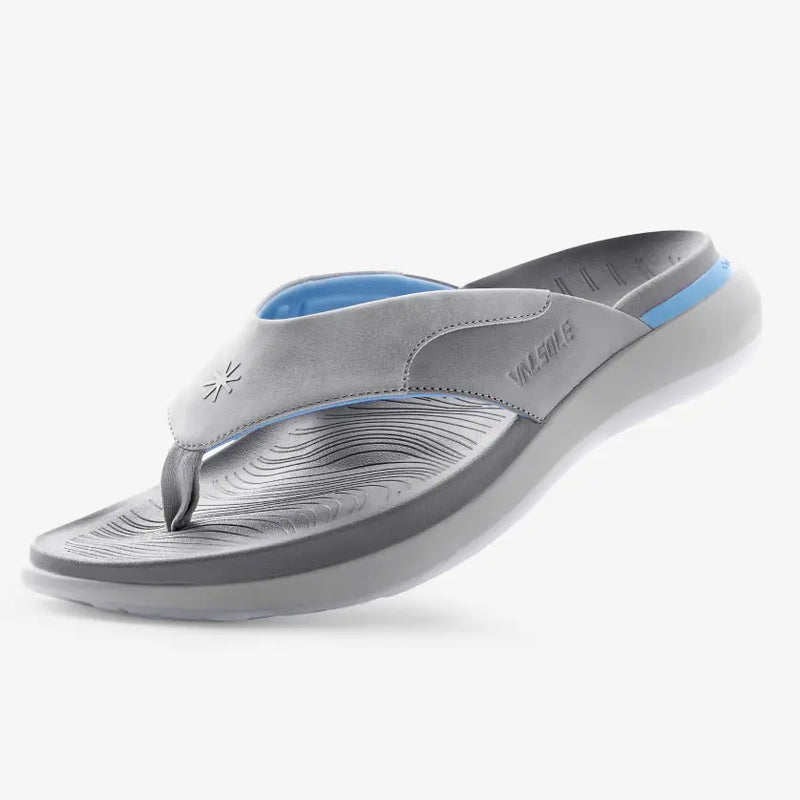
Hearth Clog is a recovery add-on when the hospital shift becomes manageable but the pain rebounds again after you get home and step onto hard floors.
Before ordering, check fit limits in the Size Guide, compare support levels in the Arch Support Guide, and browse the Insoles collection if you want a broader comparison before choosing.

Are the best insoles for hospital shoes always the softest ones?
No. Softness can feel good in the beginning, but the real test is whether the support still feels useful late in the shift.
What if my heel hurts more than the rest of my foot?
Start with Heel Relief insole. If the heel is clearly the first weak point, that is usually the smartest first move.
What if my worst pain shows up the next morning?
That often points toward a plantar-style overload pattern, where Fascia Soothe insole is more relevant.
What if my shoes feel tight after I add support?
That usually means fit and volume are part of the problem. Check the Size Guide before assuming the support profile itself is wrong.
Can recovery footwear help after a hospital shift?
Yes. If the workday improves but soreness rebounds after shoes come off, Hearth Clog may help cover the recovery gap.

Join the VALSOLE email list for fit tips, product comparisons, and the current new-subscriber offer. That keeps long-shift support advice, replacement reminders, and comparison guidance in one place instead of restarting the decision every time your shoes stop feeling right.
After you subscribe through the site email signup, save the Size Guide and the Insoles collection, and email support@valsole.com if you want a closer recommendation based on your shoe type and pain pattern.
For next steps, review the Arch Support Guide, compare symptom timing in the Plantar Fasciitis Relief Guide, confirm fit limits in the Size Guide, and browse the full Insoles collection.
The best insole for hospital shoes is the one that still works when the shift gets harder, not just the one that feels soft in the first hour.
Start with Stable Support insole for balanced all-day support, compare Heel Relief insole for heel-focused pain, use Fascia Soothe insole when next-morning pain is the strongest clue, and add Hearth Clog if after-work rebound is still too strong. Before checkout, confirm fit with the Size Guide or compare everything in All products.
Shop the products most relevant to the support path discussed in this article.

Keep reading with symptom-based guides and compare support options for your pain profile.


Loading size guide…