


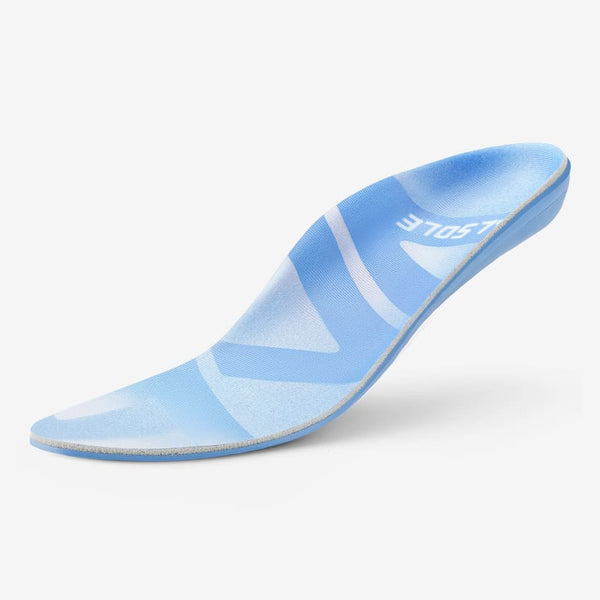
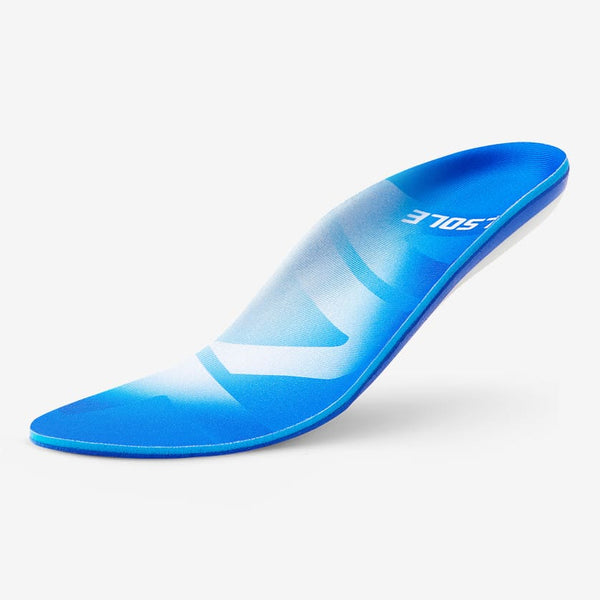
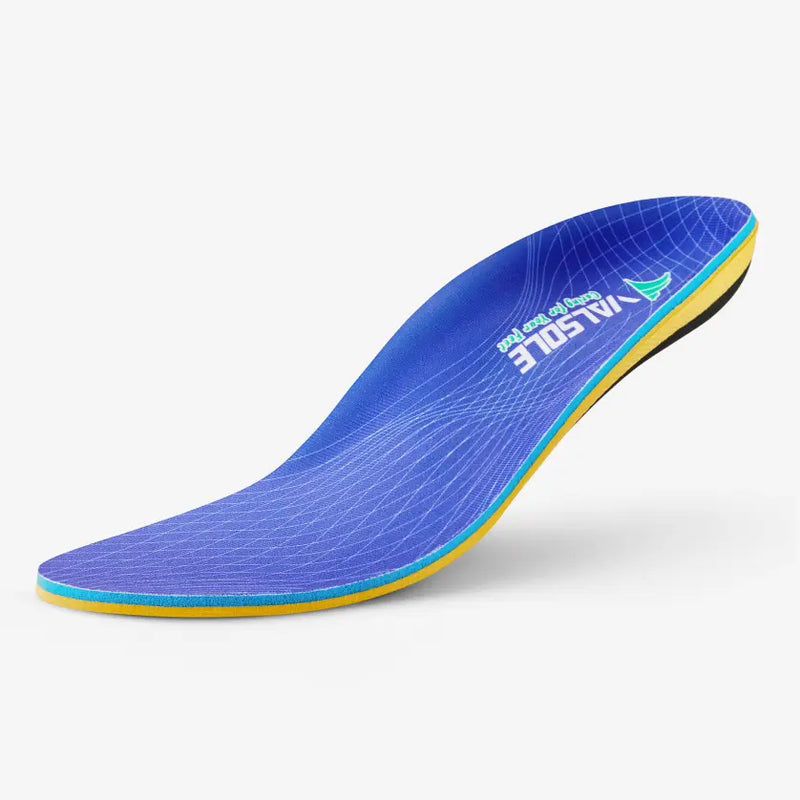


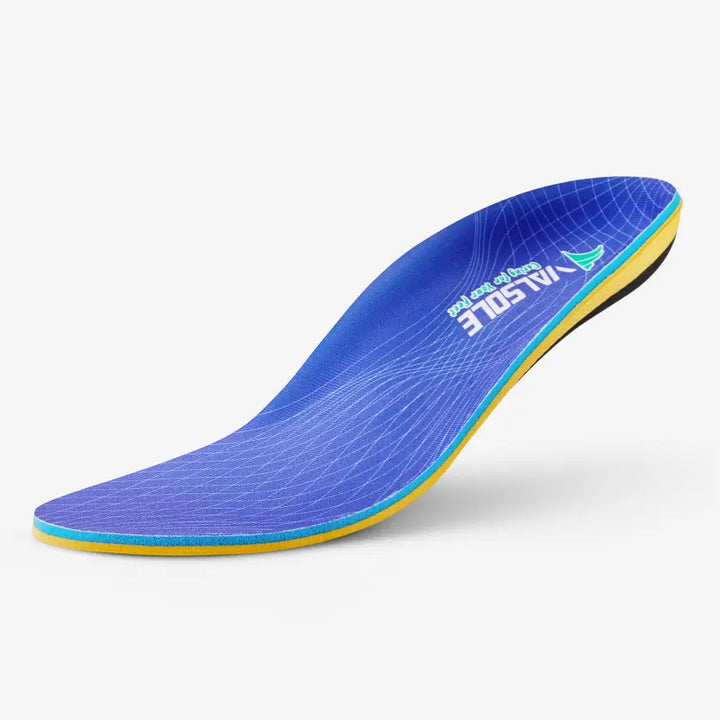
Heavy Duty
Heavy Duty is VALSOLE's firmer in-shoe support path for long standing, work boots, and...
$35.98$39.99
View product


The best insoles for work boots do more than add softness. They help reduce heel fatigue, improve stability on hard surfaces, and keep support consistent through long shifts. If your boots leave your feet tired by the end of the day, the right insole can make a noticeable difference.
If your work boots leave your feet tired, sore, or heavy by the end of the day, the insole inside the boot may be part of the problem. The best insoles for work boots do more than feel soft at first step. They help reduce heel fatigue, improve foot stability, and keep support more consistent through long hours on concrete, warehouse floors, job sites, and other hard surfaces.
A lot of people choose insoles for work boots by pressing on them with a thumb and picking the softest one. That approach often leads to disappointment. What feels soft in your hand may flatten too quickly under body weight and long work hours. Real work-boot comfort usually comes from the right balance of cushioning, arch support, and shock absorption.
The best insoles for work boots usually solve three problems at once:
A good work-boot insole should not just feel comfortable for ten minutes. It should still feel supportive near the end of a full shift. That means it needs enough structure to hold shape, enough cushioning to soften repetitive pressure, and enough stability to keep the foot from sliding or collapsing as fatigue builds.

For most workers, this is the wrong question. Cushioning and arch support are not opposites. The real goal is getting the right amount of both.
Cushioning helps reduce repeated pressure, especially on concrete or other unforgiving surfaces. Arch support helps control fatigue by keeping the foot more stable through long hours of load. If you only choose cushioning, your feet may still feel tired because the boot setup lacks structure. If you only choose strong support, the boot may feel harsh or cramped.
The best result usually comes from an insole that cushions impact without letting the foot sink and lose alignment.
Shock absorption matters most when you spend hours on hard floors, carry weight, or work in boots with limited built-in comfort. Good shock absorption helps reduce the constant pounding that builds up in the heels, arches, knees, and lower back through the day.
But shock absorption should not mean a squishy, unstable feel. In work boots, too much softness can make the foot feel less secure, especially during turns, ladders, uneven ground, or long static standing. What you want is controlled shock absorption, not a pillow effect.
Concrete is one of the toughest surfaces for all-day wear because it gives almost nothing back. If you stand or walk on concrete for hours, the best insoles for work boots usually have:
If your feet hurt more at the heel than the arch, cushioning may need more attention. If the whole foot feels tired and unstable, support and shape retention may matter more than extra softness.

Different work routines need different insole priorities.
Best starting point:
Best starting point:
Best starting point:
Best starting point:
The most common mistakes are:
If the boot itself is unstable, overly worn, or too tight in the toe box, even a better insole may only partly improve comfort. The best setup comes from matching the insole to the boot, not just to the foot.
They can.
A thicker insole can reduce internal volume, especially in boots that already fit close over the instep or toe box. That is why sizing and fit matter almost as much as support. If a new insole makes the boot feel cramped, creates toe pressure, or lifts the heel too much, the issue may be volume rather than support strength.
Before deciding an insole is “bad,” check whether the boot simply has enough room for it.

Use your real workday as the test. Track these signs for a week:
Good insoles for work boots usually create a more stable pattern over several days. One good shift is not enough. Consistency matters more than first impressions.
If your main issue is hard-floor fatigue and heavy daily wear, a more supportive, durable profile is usually the best fit. If you need a more balanced everyday option with support but less bulk, a lower-profile insole may work better.
That is why some people do best with a stronger support option for heavy-duty shifts, while others prefer a more moderate daily profile depending on the boot and work environment.
The best insoles for work boots are not just about softness. They should reduce fatigue, improve stability, and stay supportive through long hours on hard surfaces. For most people, the winning setup is not maximum cushioning or maximum arch support alone, but the right balance of both.
If your boots leave you with tired feet, sore heels, or unstable support by the end of the day, upgrading the insole can make a real difference. Start by matching the insole to your actual work environment, your fit needs, and how much structure your boots already provide.
For next steps, compare the Heavy Duty Insole for stronger support, look at the Stable Support Insole for a more balanced everyday option, and use the Size Guide before making a final choice.
Shop the products most relevant to the support path discussed in this article.


Keep reading with symptom-based guides and compare support options for your pain profile.


Loading size guide…


