


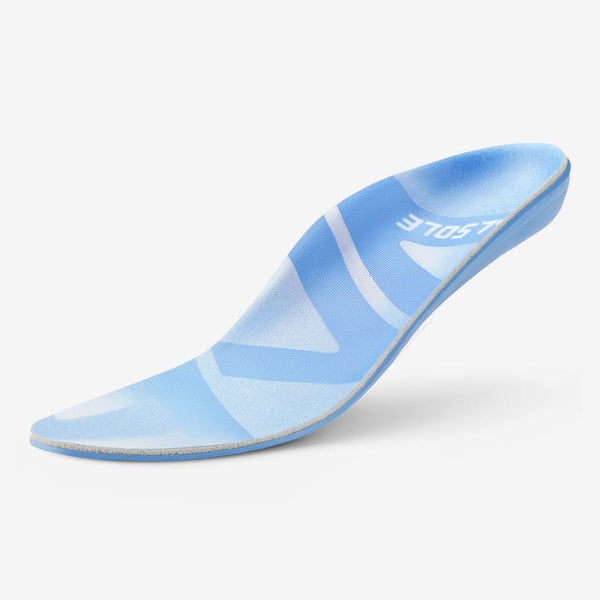
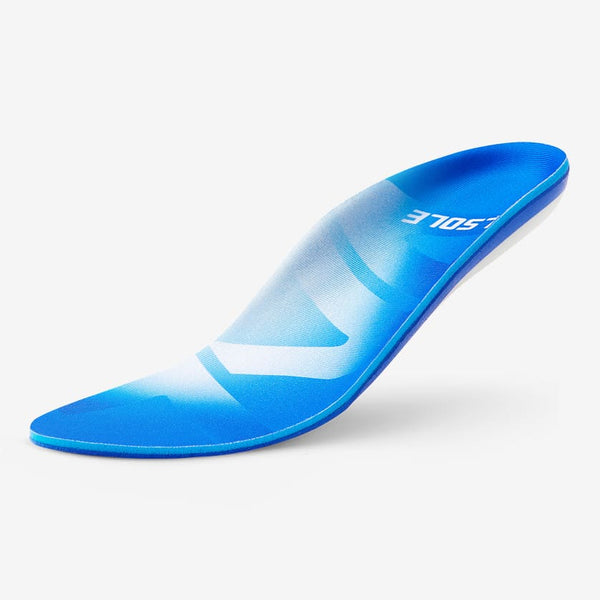
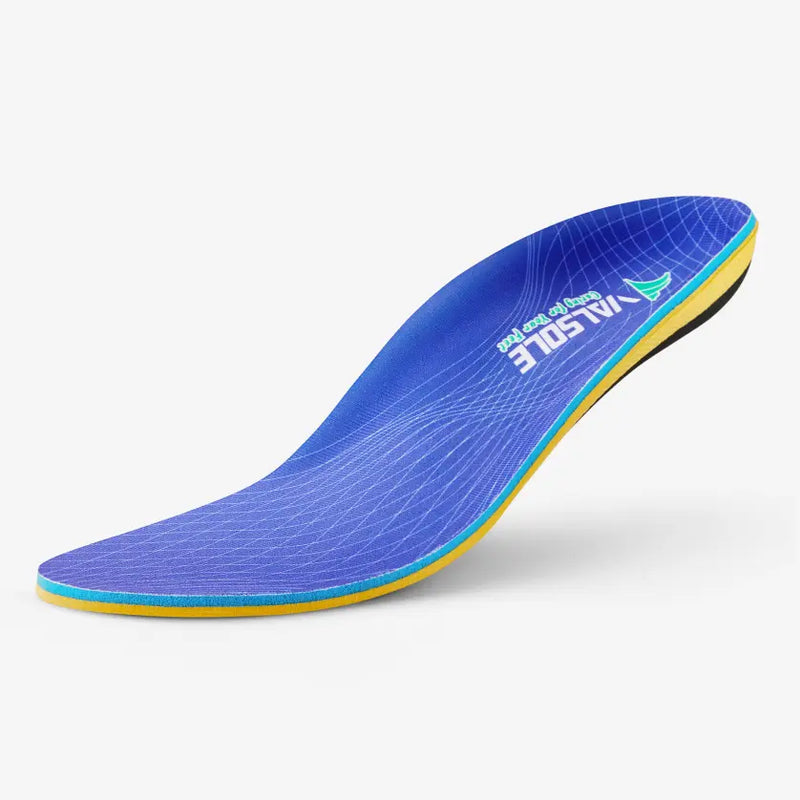


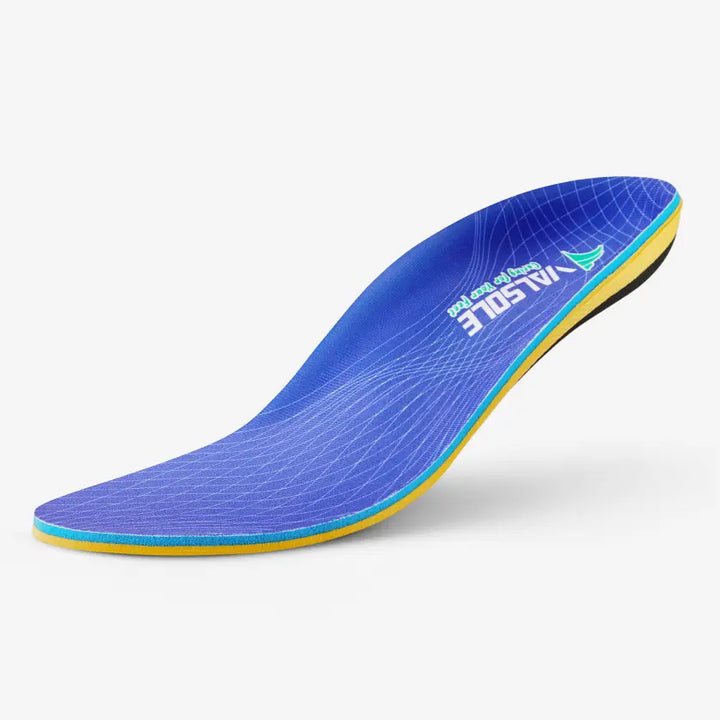
Heavy Duty
Heavy Duty is VALSOLE's firmer in-shoe support path for long standing, work boots, and...
$35.98$39.99
View product


Start at the work-boot insoles collection when concrete and long shifts are part of the job. An insert can only help if the boot still holds the heel securely and leaves enough toe room after the new profile is installed.
Work boots are less forgiving of extra bulk than they look. Their upper can feel secure while the interior becomes too shallow once a second layer is added, especially at the heel cup and under the laces. Do the check with the socks used on shift and lace the boot as normal. If removing the original liner changes the boot’s fit dramatically, pause before adding another profile; the useful comparison begins only after the boot still feels controlled through the full step.
Comparing boots with other closed shoes? Use the concrete-floor work-shoe fitting guide for the broader comparison.
For high-load shifts on concrete, compare Heavy Duty after the boot-fit checks pass. When concrete is the dominant surface variable, use the concrete-floor insole collection to compare the broader route. Focus the comparison on the situation that repeats: a fixed standing station, a route with frequent walking, or a job that alternates between both. This keeps the product decision connected to workload and footwear fit without treating “work boot” as one uniform category.
New toe pressure, numbness, hot spots, or heel slip are fit signals—not proof that you need a higher arch. Recheck boot room and the original liner first. The size guide and work-boot fit guide provide the next checks before making a product change.
If boot room or support level is still unclear after those checks, use Quick Match for a guided starting point before choosing.
Shop the products most relevant to the support path discussed in this article.
Keep reading with symptom-based guides and compare support options for your pain profile.


Loading size guide…


