

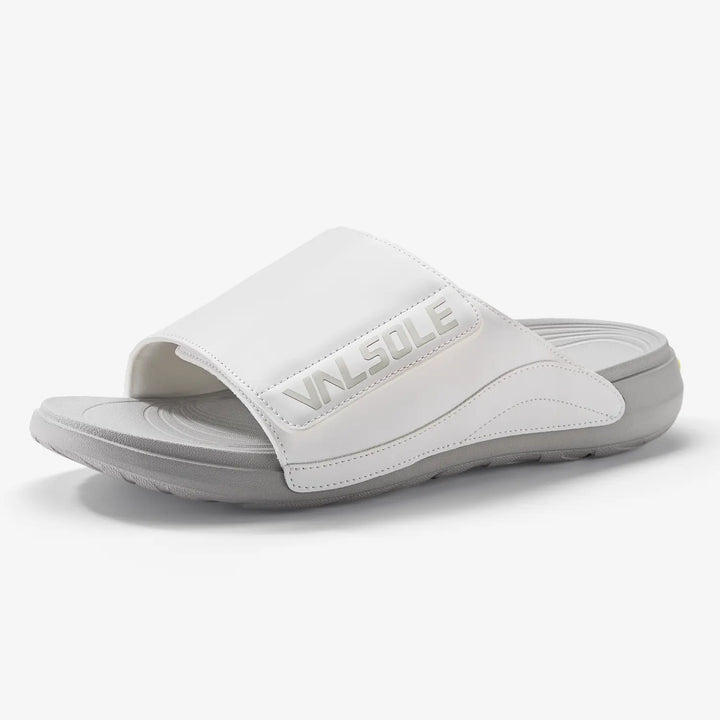
Recovery Slide
The VALSOLE Recovery Slide is engineered for everyday relief, combining ergonomic support with lightweight...
$69.99$109.99
View product

The best insoles for standing all day are not simply the softest pair you can find. A soft insole may feel good when you first put your shoes on, but the real test starts later, when the floor has been pushing back for hours and your feet begin to feel heavy, sore, or unstable. For long standing days, compare support retention, heel comfort, shoe fit, and post-shift recovery instead of judging only by first-step cushioning.
If your feet feel fine at the start of work but give out in the second half of the shift, your first question should be whether the insole keeps its shape and support under repeated load. If heel discomfort shows up first, you may need a heel-focused profile. If your shoes feel tight after adding support, fit and insole thickness matter as much as cushioning.
Standing work creates a slow-building comfort problem. The first hour can feel manageable, especially with a soft insert, but long periods on hard floors can still leave the feet tired by the end of the day. Occupational guidance from CCOHS notes that regular standing work can contribute to sore feet, muscular fatigue, leg swelling, and low back discomfort, while flooring and footwear choices can affect how standing feels through the day.
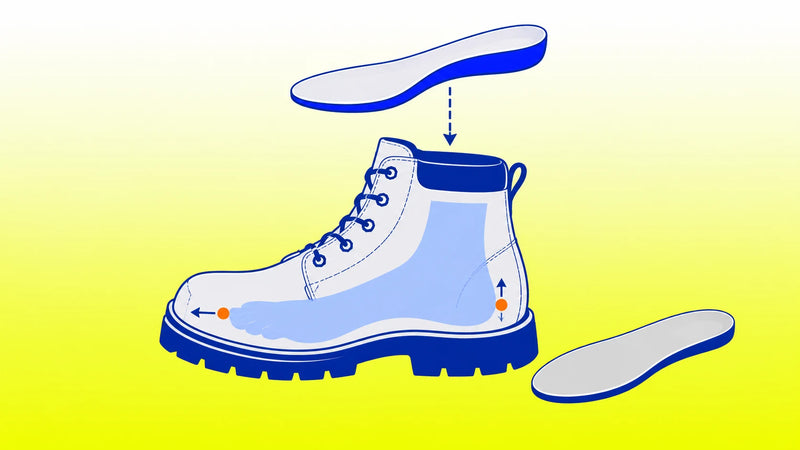
That is why a late-shift checklist is more useful than a generic softness test. The right insole should help support the arch, keep the heel steadier, fit inside the shoe without crowding the toes, and avoid compressing too much during long wear. Those details help explain why two insoles can feel similar in the morning but very different by the end of a long shift.
A good standing-all-day insole should solve the problem that actually shows up in your routine. Some workers need stronger support retention because the floor is harsh. Some need heel-focused cushioning because the heel is the first weak point. Others need a lower-volume fit because a supportive insole that crowds the shoe can create new pressure. Use the matrix below to match the failure pattern before choosing a product route.
| Late-shift signal | What it may mean | What to prioritize | VALSOLE route |
|---|---|---|---|
| Feet feel heavier after several hours | Support may be compressing too much | Shape retention and stable underfoot feel | Stable Support insole |
| Hard floors make the whole foot tired | Floor impact and standing load are building together | Stronger structure for long standing blocks | Heavy Duty |
| Heel discomfort appears before full-foot fatigue | The heel may need a more focused support path | Heel cup comfort and pressure distribution | Heel Relief insole |
| Shoes feel tight after adding insoles | The shoe may not have enough internal volume | Fit check before buying a thicker insert | Size guide |
| Feet feel worse after shoes come off | Recovery support may be missing at home | Support continuity after work | Recovery Slide |
The most common mistake is buying the pair that feels softest in the first few minutes. Soft cushioning can be useful, but if it compresses too quickly, it may stop helping once the shift gets harder. Another mistake is ignoring shoe fit. An insole that adds too much height can crowd the forefoot, change how the heel sits, or make the shoe feel tighter than expected.
Start with the failure pattern, then choose the product route. If your whole foot gets tired late in the shift, begin with balanced support and compare options in the Insoles collection. If the floor is especially harsh and softer pairs stop helping too early, compare a stronger structure. If the heel is the first pain point, use a heel-focused route instead of guessing from softness alone.
For balanced daily standing support, start with Stable Support insole. For harder floor load or heavier work shoes, compare Heavy Duty. For heel-first discomfort, review Heel Relief insole. If your feet still need support after your work shoes come off, compare Recovery Slide. Before choosing, use the Size guide, the Arch support guide, and the related guide Best Insoles for Standing All Day at Work to check fit and support level.
Insoles can support comfort, cushioning, and pressure distribution during daily wear, but they are not a substitute for medical care. If foot pain is sudden, severe, persistent, worsening, linked to swelling, numbness, tingling, injury, an open wound, signs of infection, or difficulty bearing weight, readers should consult a qualified medical professional. People with diabetes or circulation concerns should be especially cautious with new or worsening foot symptoms.
No. Thickness alone does not guarantee better support. A useful insole needs the right balance of cushioning, structure, heel stability, and shoe fit. A thick insert can also make some work shoes feel too tight.
Concrete and other hard floors usually make support retention more important. Compare a structured option such as Stable Support insole, and consider Heavy Duty if softer pairs compress too much during long wear.
If the heel is the clearest weak point, compare Heel Relief insole before choosing a general full-foot option. If heel pain is severe, persistent, or linked to injury or swelling, seek professional care.
If the shoe still fits well and has enough internal space, a supportive insole can be a practical first step. If the shoe is worn out, unstable, too narrow, or already tight, replacing the shoe may matter just as much as adding support.
It can help keep a support routine going after work, especially if hard floors at home make your feet feel worse once your work shoes come off. Compare Recovery Slide if post-shift support is part of the problem.
This article was prepared using VALSOLE's Ahrefs MCP export from June 23, 2026, which showed the query "best insoles for standing all day" at volume 3000, KD 0, CPC $0.47, commercial and informational intent, and current position 22 for a VALSOLE Blog URL. GSC evidence was unavailable and was not used for clicks, impressions, CTR, or average position.
External references reviewed: Canadian Centre for Occupational Health and Safety, Working in a Standing Position - Basic Information; Canadian Centre for Occupational Health and Safety, Foot Comfort and Safety at Work; Mayo Clinic, Foot pain - When to see a doctor.
Shop the products most relevant to the support path discussed in this article.

Keep reading with symptom-based guides and compare support options for your pain profile.


Loading size guide…