




Heel Relief
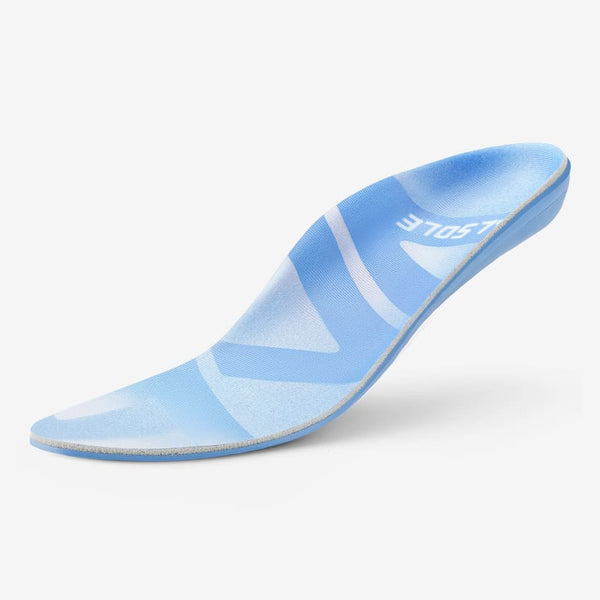
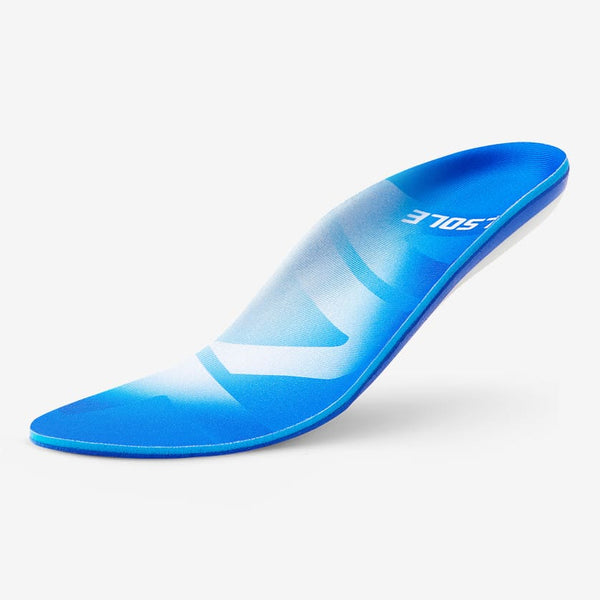
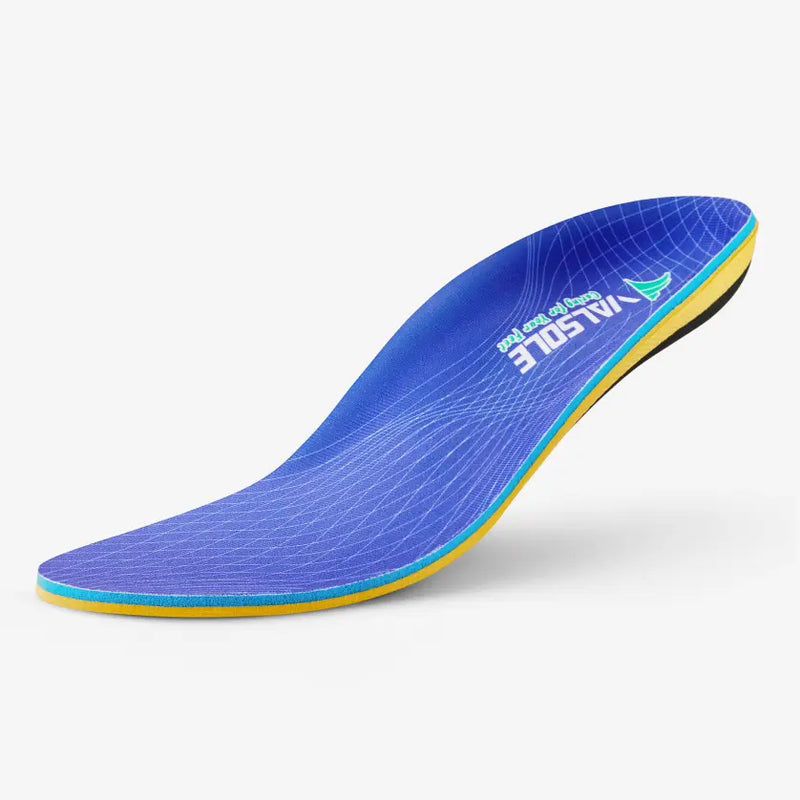
With extra-thick heel cushioning and advanced stability, this insole reduces pressure on your heels.
$37.99$39.99
View product


For wide feet, the best orthotic option is usually the one that preserves forefoot volume first, then adds support as needed. If your toes feel crowded, support quality drops because gait compensation increases. A better strategy is to confirm width and depth, then select support intensity based on symptom pattern and daily load. In practice, many people get the best outcome from a rotation: structured insoles for work shoes, recovery footwear for low-load hours, and stable indoor support to avoid hard-floor flare-ups.
Think in systems, not single products. One product can feel good in one context and fail in another, so matching category to use case is the fastest way to reduce trial-and-error.
Use this table to choose your first purchase based on where pain appears most often. If you have mixed pain triggers, start with the highest-load scenario and add the second category only after one-week validation.
| Option | Best use case | Main advantage | Watch-out |
|---|---|---|---|
| Structured insoles | Work shoes, long standing, daily walking | Most precise support tuning | Needs enough shoe depth after insertion |
| Recovery sandals | Post-shift low-load recovery | Reduces residual heel and arch stress | Not always enough for high-load work periods |
| Supportive clogs/slippers | Indoor wear on hard floors | Prevents barefoot overload at home | Must keep forefoot roomy to avoid toe pressure |
If pain peaks inside work shoes, start with structured insoles and verify whether end-of-day fatigue onset gets later. If pain spikes after work, add recovery sandals to unload tissues during low-load hours. If symptoms increase at home on hard floors, prioritize supportive clogs or slippers to reduce barefoot stress carryover into the next day.
The sequence matters: fit volume first, then support level, then category rotation. Reversing that order often causes unnecessary product switching and inconsistent results.
After adding an orthotic, re-check toe-box space, forefoot pressure line, and lace tension at the end of the day, not just during initial fitting. Wide-foot users often lose usable volume after insole insertion, which can create numbness or lateral pressure even when the support profile is biomechanically correct.
To avoid this, use the thinnest effective support profile for your symptom level, and prefer shoes with enough depth to keep toes naturally splayed during gait.
Track four outcomes for one week: forefoot crowding score, heel pain trend, time-to-fatigue, and post-shift recovery speed. A successful setup improves all four gradually. If heel pain improves but toe squeeze worsens, keep support intent but move to a wider/deeper shoe platform rather than abandoning support entirely.
Consistency beats intensity. A moderate support profile you can wear all day usually outperforms an aggressive profile you remove halfway through your shift.
For next steps, use the Wide feet comfort guide for fit diagnostics, cross-check heel-pain patterns in the Heel spur relief guide, and confirm final sizing rules in the Size guide before purchase.
Shop the products most relevant to the support path discussed in this article.
Keep reading with symptom-based guides and compare support options for your pain profile.


Loading size guide…


