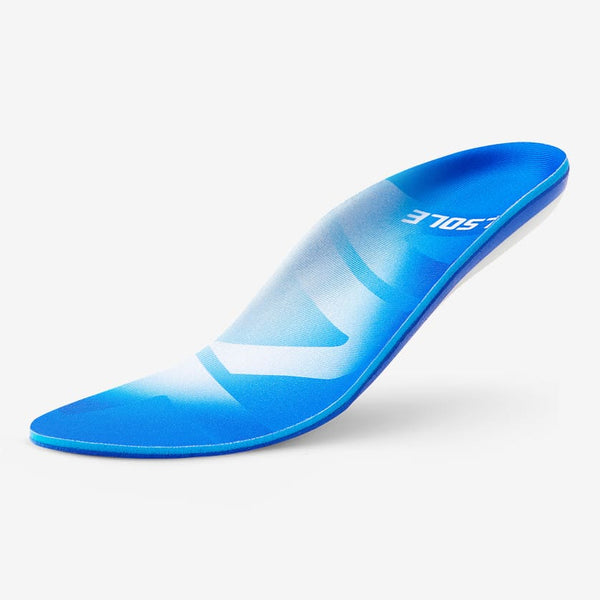

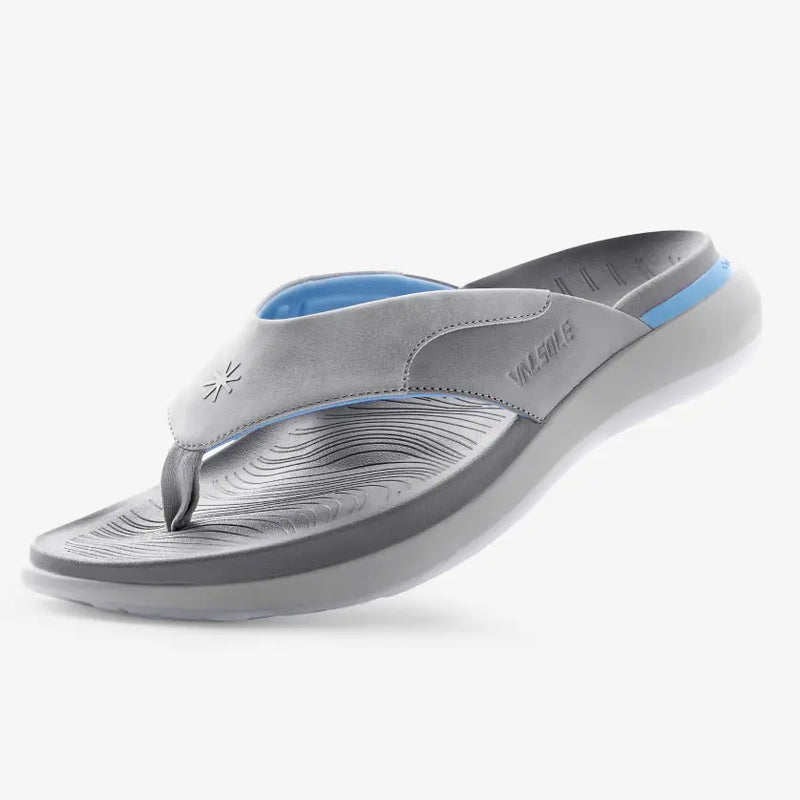
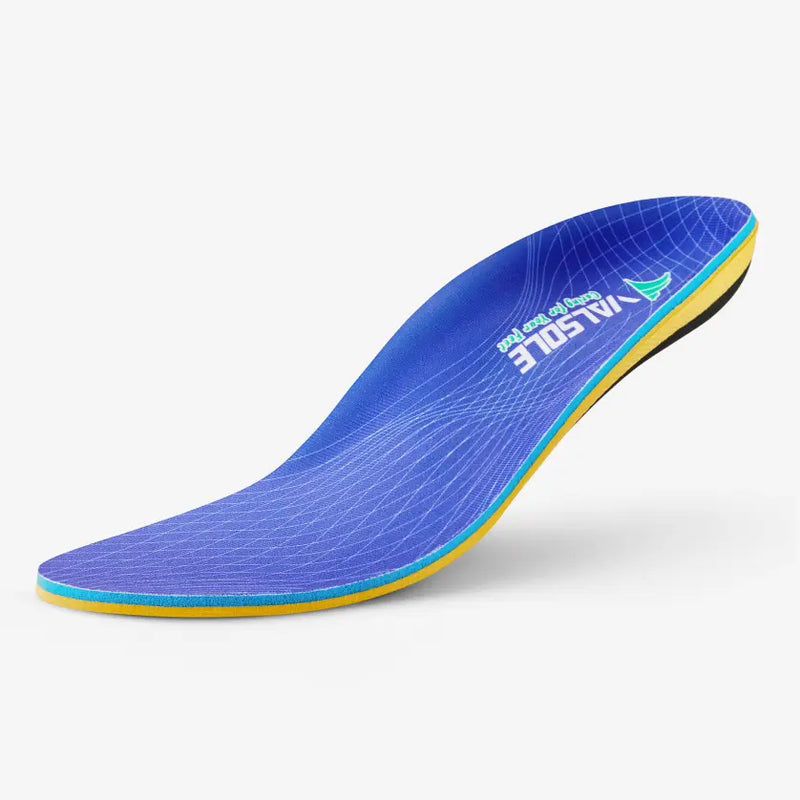

Stable Support
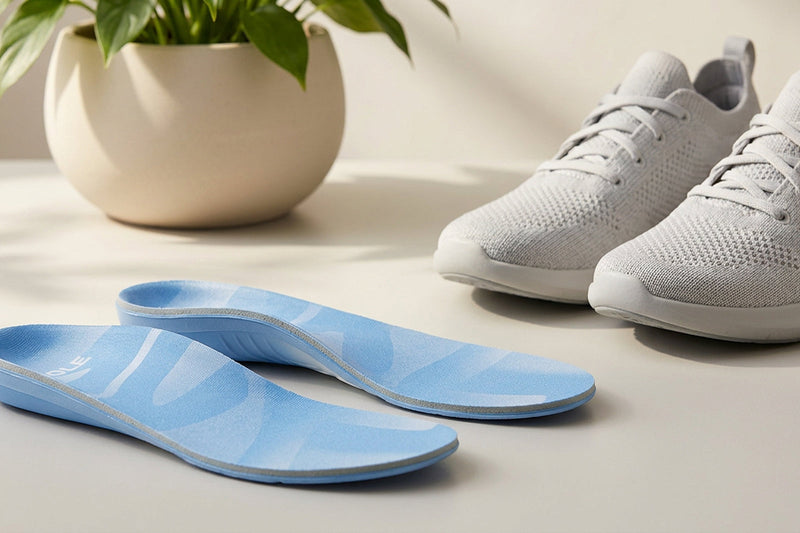
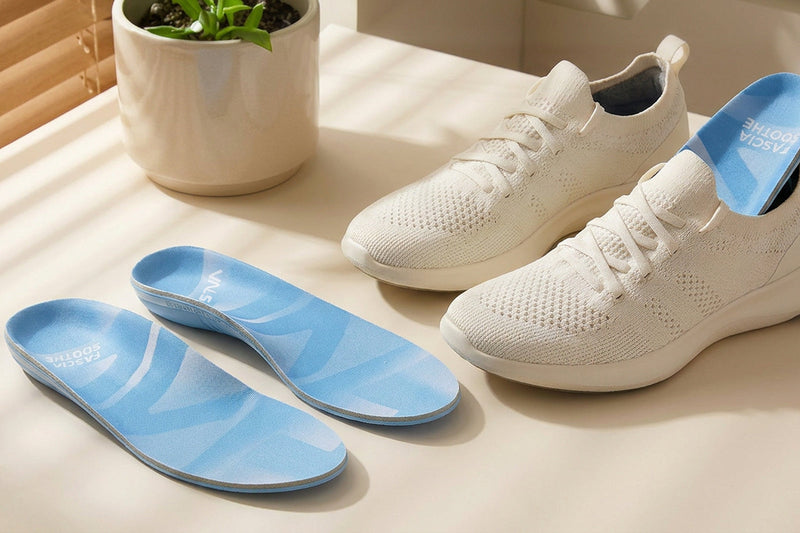
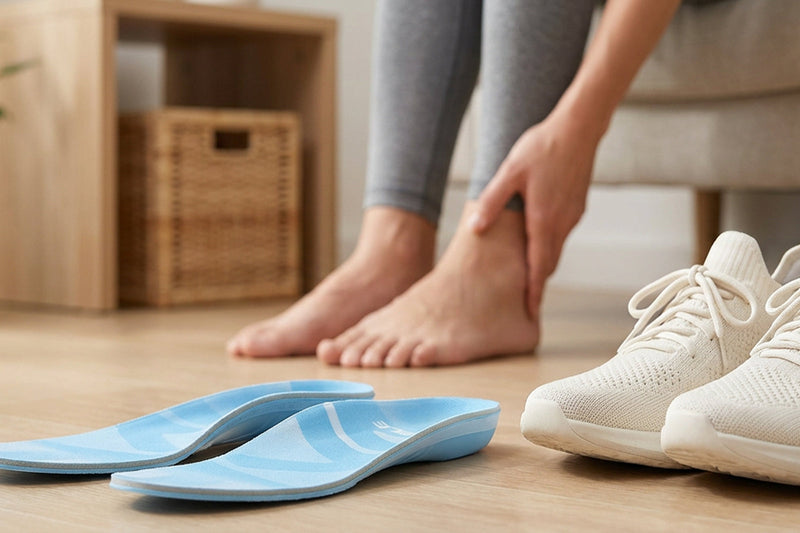
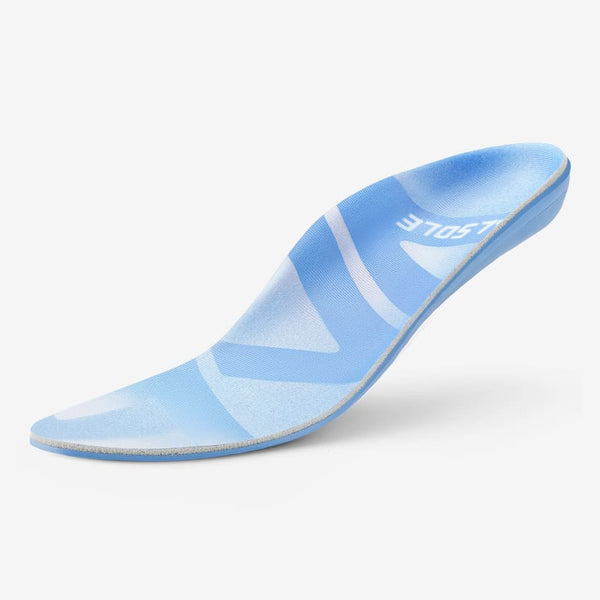
Built to deliver firm, reliable support with enhanced foot alignment and superior heel stability.
$37.99$39.99
View product

Standfirst: Standing on unyielding surfaces (like concrete, tile, or hardwood) for hours puts continuous static load on the feet. Choosing underfoot support that distributes weight and cushions heel strike is essential. This biomechanical checklist guides you in selecting prefabricated insoles that support everyday work comfort and reduce the feeling of foot fatigue.
For extended standing shifts on hard floors, choose insoles featuring a semi-rigid arch shell (TPU) paired with resilient dual-density cushioning foam (EVA or PU). Completely soft foam insoles often compress fully (compressing too much during long wear) within hours, leaving the heel and arch unsupported against hard floor impacts. Conversely, fully rigid carbon fiber orthotics can cause localized discomfort if not custom-molded. A prefabricated semi-rigid arch support provides a dynamic balance—supporting heel stability and distributing plantar pressure across the entire sole.
When selecting insoles for standing all day, evaluate three primary structural components:
For detailed steps on identifying foot structure and choosing support, review our complete insoles guide.
Biomechanical studies demonstrate how insole designs modify plantar pressure distribution. Research published in Applied Ergonomics (Insole Study PMID 32639915) indicates that dual-density contoured insoles designed for prolonged standing reduce underfoot discomfort and redistribute pressure compared to flat insoles. Furthermore, a systematic review in Applied Ergonomics (Cushioning Study PMID 30010978) confirms that underfoot cushioning and support structures help mitigate musculoskeletal discomfort and reduce subjective fatigue levels in standing occupations.
| Insole Type | Arch Support Profile | Cushioning Durability | Best Use Case |
|---|---|---|---|
| Semi-Rigid TPU | Contoured & Firm | High (Does not compress fully) | All-day standing shifts (concrete/hard floors) |
| Soft Memory Foam | Minimal / Flat | Low (Compresses too much during long wear quickly) | Short walks, light casual wear |
| Rigid Carbon | Very Hard | N/A (Rigid shell) | Athletic running, specific support needs that should be discussed with a professional |
Many consumers make the mistake of prioritizing "maximum softness" when buying shoe inserts. While memory foam or gel insoles feel comfortable during the first few minutes in a store, they lack the structural stiffness needed to support the foot over an 8-hour shift. Without arch support, underfoot tissues may feel more loaded, leading to morning foot discomfort. Another common mistake is placing new insoles on top of existing shoe liners. Always remove the original factory shoe inserts before sliding in your supportive insoles to prevent crowding and localized friction.
To help support standing comfort and reduce underfoot fatigue feelings, VALSOLE Work Comfort Insoles are engineered with a contoured semi-rigid TPU arch support shell and dual-density PU cushioning. This combination helps distribute weight across the sole and supports heel stability, providing a comfortable option for active work routines. To check your foot characteristics and find a tailored recommendation, try our Quick Match Quiz.
Q: How long do work insoles last under daily standing?
A: Most prefabricated supportive insoles maintain their biomechanical characteristics for 6 to 12 months under daily occupational wear. If you notice a flat profile or increased fatigue feeling at the end of shifts, it is time for an upgrade.
Q: Do I need a break-in period for semi-rigid insoles?
A: Yes. Your feet and arches need time to adjust to structured support. We recommend wearing the insoles for 1 to 2 hours on the first day, gradually increasing daily wear time over 7 to 14 days.
Q: Can I swap one pair of insoles between different work shoes?
A: Yes, as long as the footwear shapes are similar. To learn more about setting up a proper footwear rotation, read our insole rotation guide.
Update Note: Google Search Console (GSC) search data for the query "best insoles for standing all day" (Clicks: 1.0, Impressions: 404.0, Avg Position: 15.09) and "best insoles for standing all day on concrete" (Clicks: 0.0, Impressions: 166.0, Avg Position: 11.78) confirms strong worker demand for concrete standing comfort information. This article was updated in June 2026 to incorporate peer-reviewed Applied Ergonomics data.
Shop the products most relevant to the support path discussed in this article.
Keep reading with symptom-based guides and compare support options for your pain profile.


Loading size guide…