


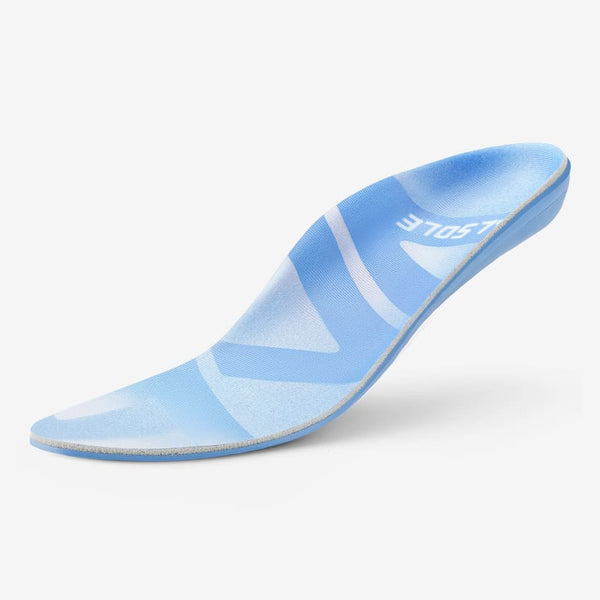
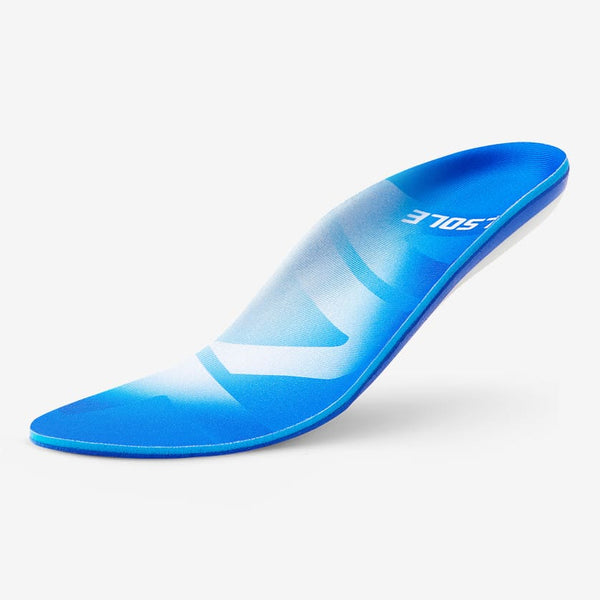
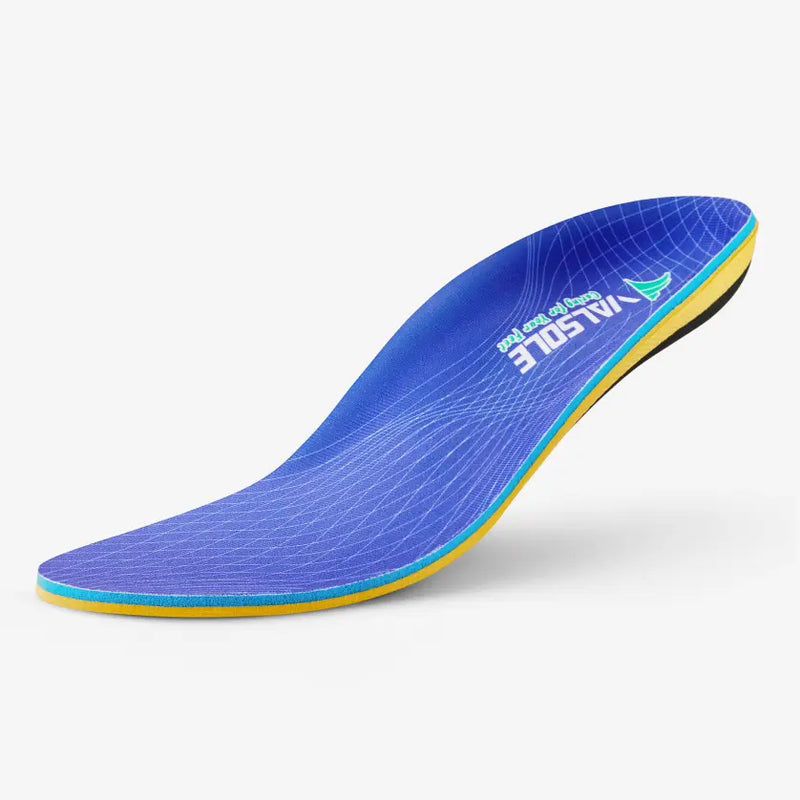


Stable Support
Built to deliver firm, reliable support with enhanced foot alignment and superior heel stability.
$37.99$39.99
View product


Flat feet do not automatically require rigid insoles. The right choice depends on load intensity, symptom pattern, and shoe structure. Rigid profiles can improve control for long standing and pronounced collapse, but they can also create pressure discomfort in users with lower load or limited shoe volume. In many cases, semi-firm support delivers better long-term compliance because it balances control and comfort.
A practical rule is to choose the lowest support intensity that stays stable through your highest-load day.
Use this table to pick your starting point based on your real routine instead of assumptions.
| Profile | Best for | Main benefit | Common risk |
|---|---|---|---|
| Rigid support | Hard-floor standing, higher body load, persistent collapse | Strong alignment control | Pressure hotspots if shoe depth is limited |
| Semi-firm support | Mixed walking + workday use | Better comfort-compliance balance | May under-support very high-load users |
| Soft support only | Short low-load comfort periods | Immediate comfort feel | Shape loss and late-day instability |
If your main issue is end-of-day arch collapse and heel fatigue, you usually need stronger structure retention. If your issue is pressure sensitivity or new midfoot discomfort, start with semi-firm support and improve shoe stability first. Always evaluate with the same shoes and socks so your results reflect support quality rather than changing variables.
Do not judge on first wear alone. The right rigidity should still feel controlled after several hours, not just at initial try-on.
Use progressive exposure: 2-4 hours on day one, then increase daily time over 5-7 days if no new hotspots appear. This prevents adaptation overload and helps identify true fit mismatch early. If discomfort moves to a new location and worsens quickly, reduce support intensity or adjust shoe volume before replacing the entire setup.
Break-in is not optional for higher-control profiles. Gradual adaptation usually improves both comfort and compliance.
Track three outcomes: fatigue onset time, end-of-day soreness intensity, and gait stability during turns or stairs. Keep the profile that improves all three together. If only one improves, refine one variable at a time instead of making a full reset.
Reliable improvement should be repeatable across multiple days. If results are unstable, your support-shoe pairing is likely still mismatched.
For next steps, compare symptom fit in the Flat feet support guide, calibrate support intensity with the Arch support guide, and confirm size and volume constraints using the Size guide before final selection.
Shop the products most relevant to the support path discussed in this article.
Keep reading with symptom-based guides and compare support options for your pain profile.


Loading size guide…


