


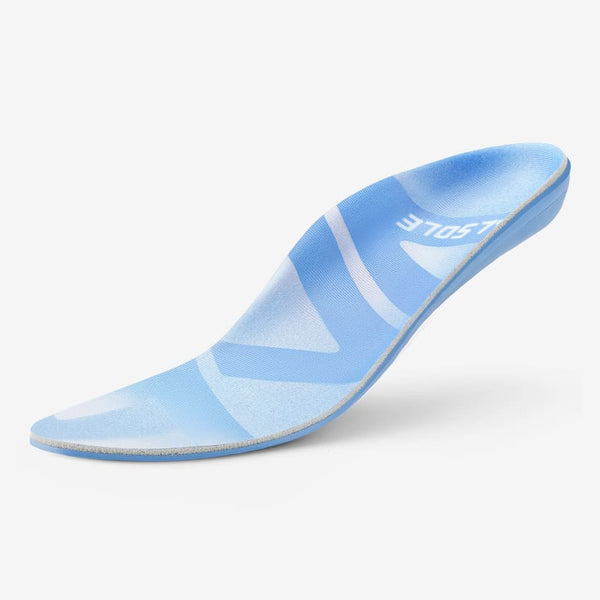
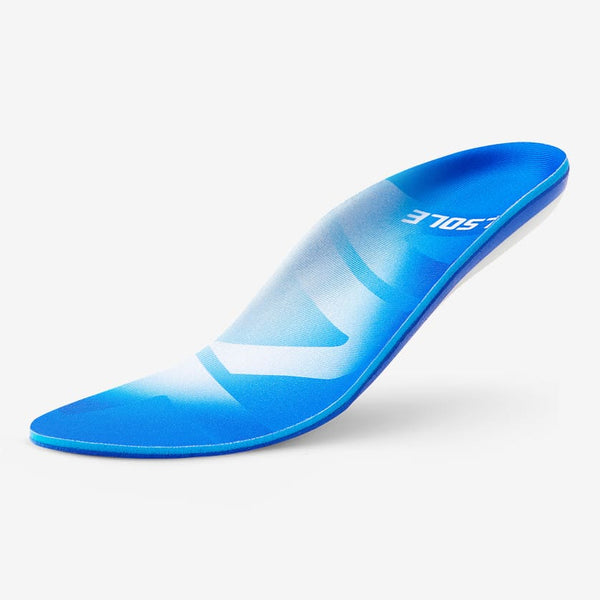
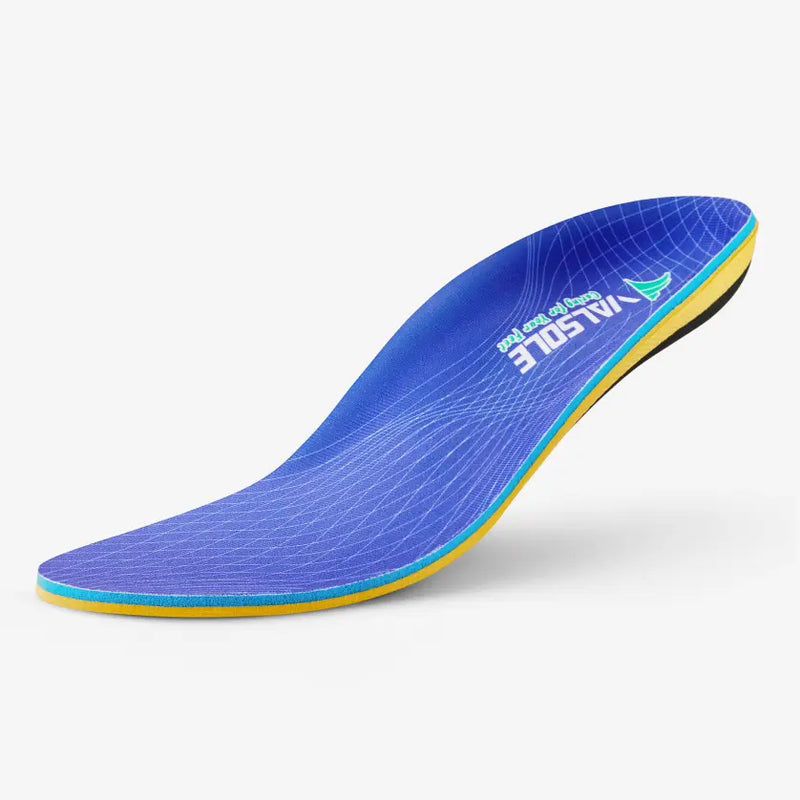


Stable Support
Built to deliver firm, reliable support with enhanced foot alignment and superior heel stability.
$37.99$39.99
View product


Flat feet in work boots usually fail at two points: unstable rearfoot control or forefoot compression after adding support. Strong arch structure is useful only when heel lock and toe-box clearance stay balanced through full shifts. Treat the setup as a system: boot shell, insole profile, lacing pattern, and trim line must work together.
Comfort at the first 10 minutes can be misleading; evaluate after your longest standing block.
Use objective checks before deciding whether discomfort comes from support level or fit geometry.
| Checkpoint | Pass condition | Fail signal | Fix direction |
|---|---|---|---|
| Heel lock | Minimal heel lift under load | Rearfoot slip by mid-shift | Adjust lacing and collar hold |
| Toe-box clearance | No numbness or top pressure | Forefoot squeeze with insole | Re-trim insole or increase volume |
| Arch contact | Supportive but not intrusive | Sharp midfoot hotspot | Reposition or change support profile |
In work boots, a small trim mismatch can push the forefoot upward and create pressure that feels like arch incompatibility. Before replacing support, confirm trim line follows your original footbed contour and does not steal toe volume. Volume errors often cause fatigue that users incorrectly blame on support firmness.
Correct trim and volume typically improve both comfort and stability without changing support model.
For flat feet, lacing should stabilize rearfoot first and preserve forefoot blood flow second. Over-tightening upper eyelets can force midfoot pressure while under-tightening causes instability. A zone-based lacing approach usually works better: secure at heel and ankle, moderate through midfoot, and relieve pressure over sensitive forefoot segments.
Recheck tension after 60-90 minutes because boot materials settle once warm and loaded.
Track three outcomes across one week: end-of-shift arch fatigue, forefoot pressure episodes, and morning recovery speed. If arch fatigue drops while forefoot pressure stays stable, your setup is directionally correct. If pressure worsens, solve volume first before changing support profile. This sequence keeps decisions data-driven and prevents unnecessary churn.
Do not judge final fit from one atypical overtime day; use trend data across comparable shifts.
For next steps, map symptom severity in the Flat feet support guide, benchmark structure using Stable Support insole, and confirm trim/volume constraints in the Size guide.
Shop the products most relevant to the support path discussed in this article.
Keep reading with symptom-based guides and compare support options for your pain profile.


Loading size guide…


