


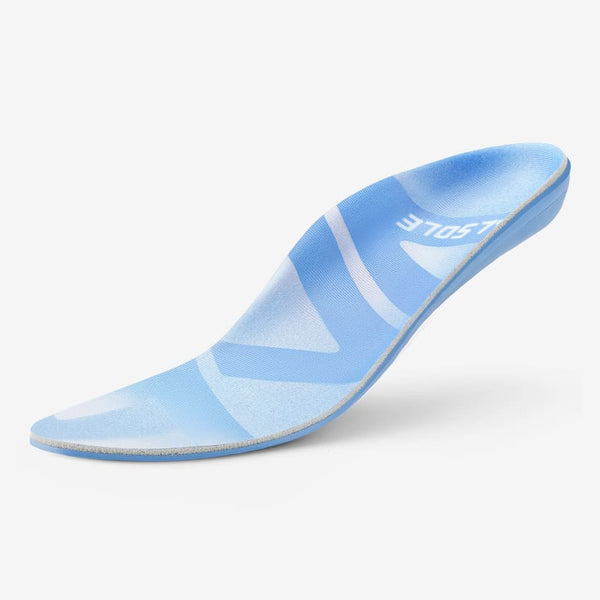
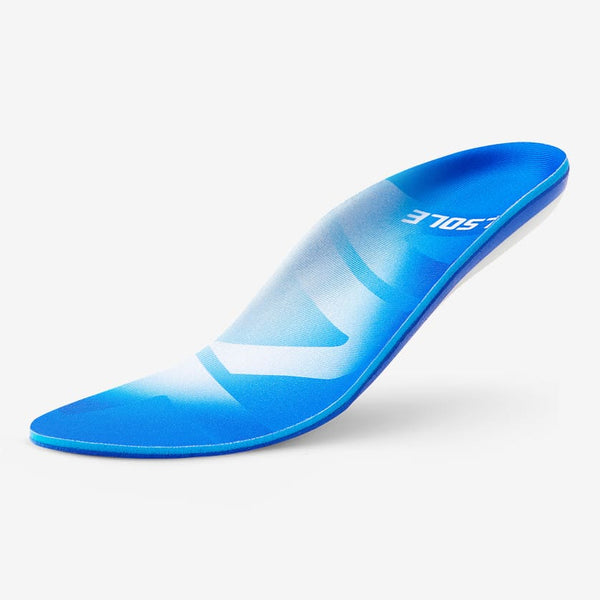
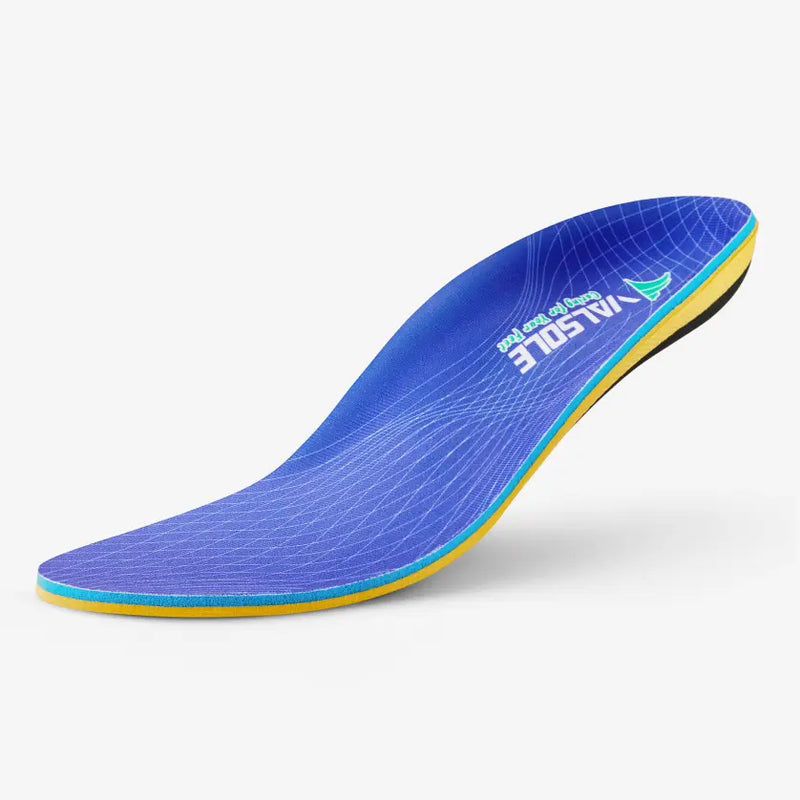


Stable Support
Built to deliver firm, reliable support with enhanced foot alignment and superior heel stability.
$37.99$39.99
View product


For flat feet, the best support setup is the one that stays stable across your longest daily load in the specific shoe you actually wear. Work shoes and sneakers behave differently under stress, so using one insole profile everywhere can create inconsistent support quality. Start with fit and stability in each shoe category, then tune support intensity based on symptom trend over one week.
The core objective is predictable alignment and lower fatigue from morning to evening, not maximum arch height on day one.
Work shoes often prioritize durability and prolonged standing stability, while sneakers prioritize movement dynamics and flexibility. That means the same insole can feel supportive in one context and unstable in another. If your fatigue pattern changes by shoe category, treat each shoe as a separate support environment and calibrate accordingly.
Most users improve when they keep a consistent support philosophy across shoes but allow small profile adjustments for each platform’s geometry.
Use this checklist to avoid hidden mismatch after insertion. A support profile is only effective when the shoe still has usable volume and stable heel behavior at end-of-day.
| Scenario | What to check | Green flag | Red flag |
|---|---|---|---|
| Standing-heavy workday | Heel hold + midfoot stability | Fatigue appears later and is milder | Heel soreness spikes by midday |
| Walking + commuting | Toe-box room + pressure distribution | No forefoot crowding after hours | Numbness or lateral forefoot pressure |
| Mixed weekly rotation | Support feel consistency across pairs | Stable gait in turns and stairs | Large comfort swings between shoes |
Choose the lowest effective level that prevents collapse and keeps fatigue manageable through your highest-load block. If support is too weak, arch and heel symptoms climb late day. If support is too aggressive, you may notice new pressure ridges or forced gait mechanics. Both are calibration errors, not permanent limitations.
Change one variable at a time and keep test conditions stable so you can identify the true source of improvement.
Track daily pain location, fatigue onset time, and end-of-day stability confidence. If arch fatigue appears by noon, increase support retention or shoe stability. If heel pain remains dominant, strengthen heel control and impact damping. If forefoot pressure rises, revisit width and depth before increasing support height.
When all three markers trend better together over a week, keep the setup. If improvement is partial, refine one element and retest rather than replacing the whole system.
For next steps, use the Flat feet support guide for symptom mapping, compare fit strategy with Stable Support insole, and review category options in the Insoles collection before finalizing your workday rotation.
Shop the products most relevant to the support path discussed in this article.

Keep reading with symptom-based guides and compare support options for your pain profile.


Loading size guide…


