
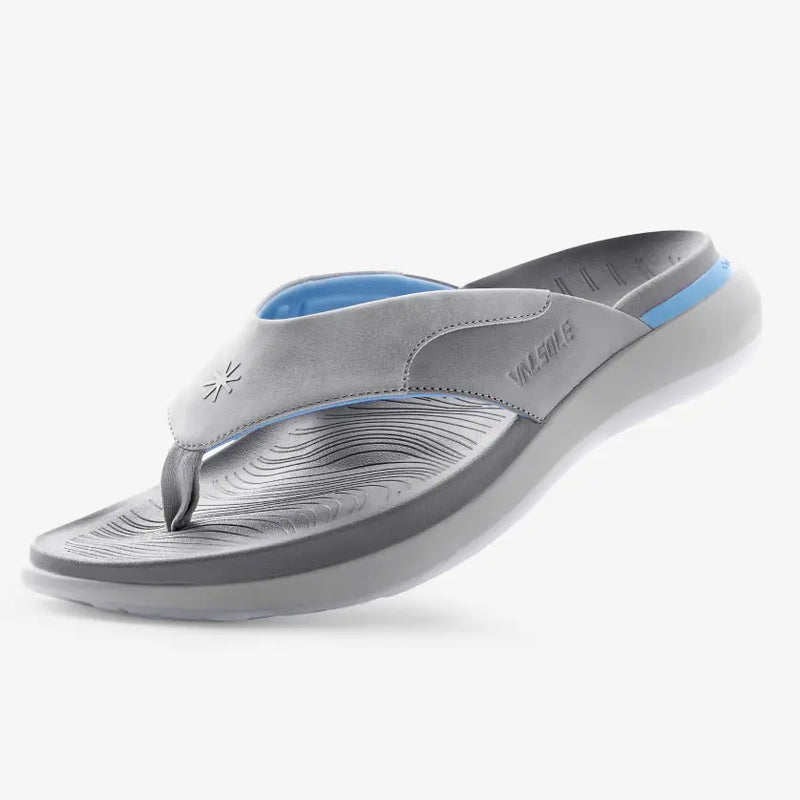
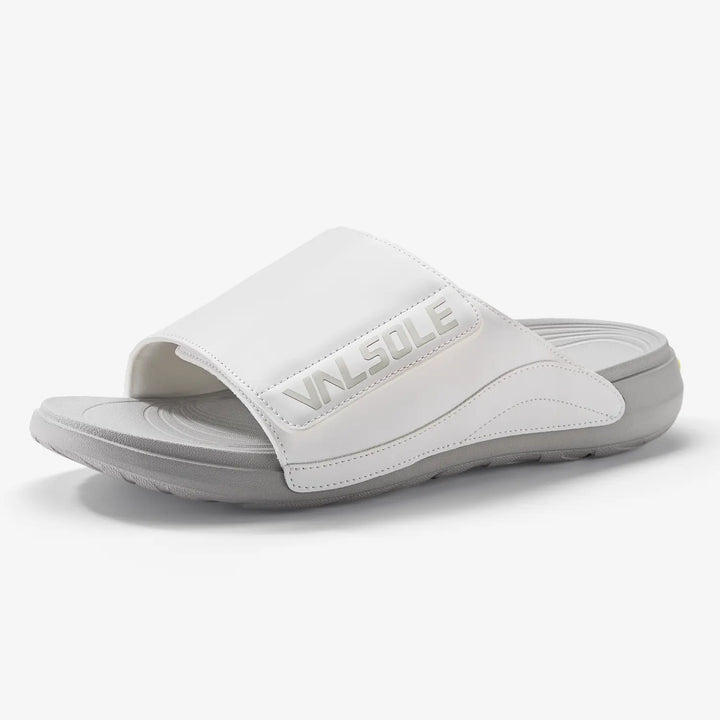
Recovery Slide
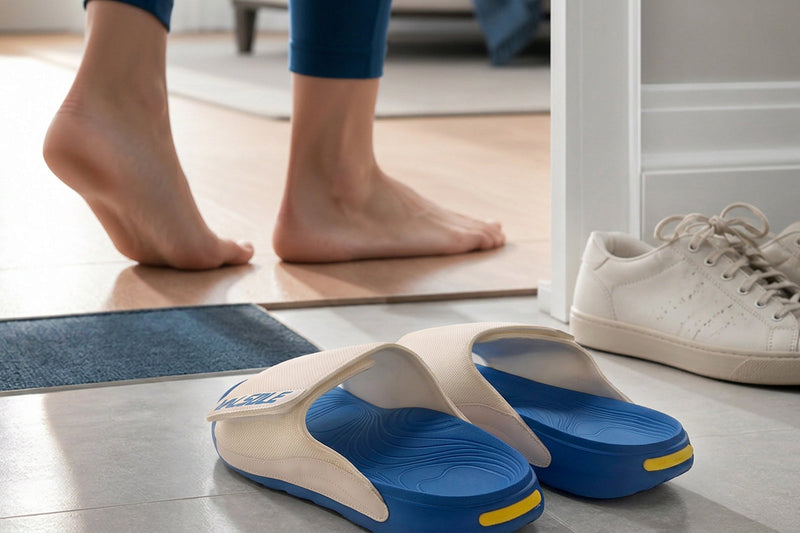
The VALSOLE Recovery Slide is engineered for everyday relief, combining ergonomic support with lightweight...
$69.99$109.99
View product


Many shoppers search “best insole” as if one format can solve every foot type. In practice, flat feet and high arches usually fail for opposite reasons. Flat feet often need more control and guidance so the foot does not keep collapsing inward through repeated steps. High arches often need better contact and pressure sharing so the load does not stay concentrated on the heel and forefoot. If you choose by foot-loading pattern first, you avoid most trial-and-error purchases.
The goal is not to chase the softest insert. The goal is to pick the support behavior your foot is missing during a normal day.
Flat-foot patterns typically show up as inward drift, midfoot fatigue, and late-day strain after standing or walking on hard floors. In that case, an insole with a clearer support frame and more stable heel control often performs better than a plush insert that compresses too quickly. A practical flat-foot setup should feel predictable over time, not just comfortable for ten minutes.
If your workday includes long standing blocks, stability consistency is often more important than first-step softness.
High arches can feel like the opposite problem: less contact through the midfoot and more concentrated pressure at key load points. Here, the best insole is often one that improves contact and distributes force more evenly without feeling mushy. You still want structure, but you also want smoother pressure transition so the same zones are not overloaded every hour.
For high arches, “support” should mean balanced contact plus control, not only a rigid feel.
Use four quick checks: heel stability, arch interaction, forefoot pressure feel, and end-of-day fatigue pattern. If your heel still wobbles, the support is likely too weak for flat-foot control. If your arch feels forced and pressure spikes remain at the ends of the foot, the profile may be mismatched for high-arch comfort. A good insole should reduce correction work, not create new stress points.
When in doubt, compare by symptom pattern first and brand second.
If your issue is daily collapse and unstable load, start with the Flat Feet Support Guide. If your issue is poor pressure sharing with high-arch fatigue, review the High Arch Support Guide. If you are still deciding between in-shoe support and recovery footwear, use the Insoles Complete Guide to pick the right path faster.
This approach keeps your insole decision tied to real use, not generic comfort marketing.
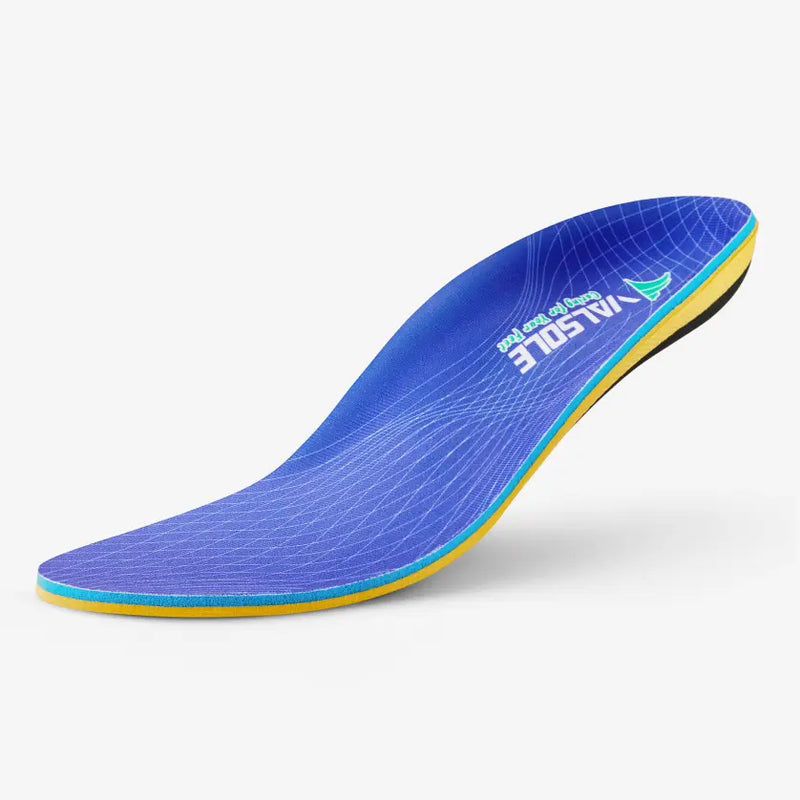
You can compare current inserts in the insoles collection, and if hard-floor fatigue remains strong after work, pair in-shoe support with a recovery path such as Recovery Slide for end-of-day decompression.
Shop the products most relevant to the support path discussed in this article.

Keep reading with symptom-based guides and compare support options for your pain profile.


Loading size guide…