


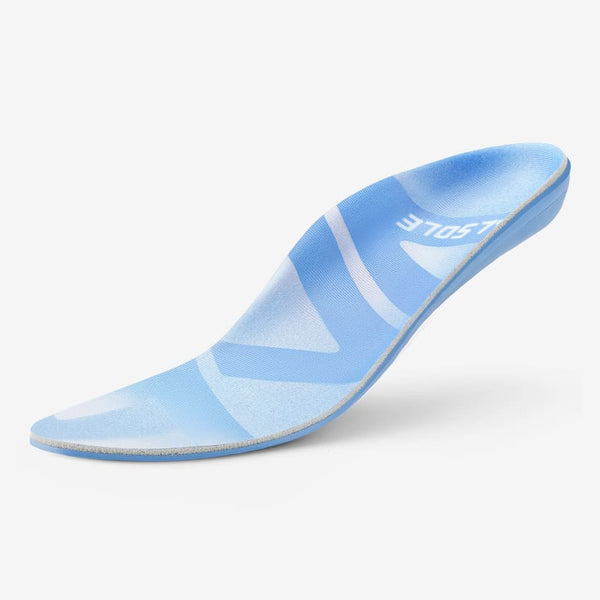
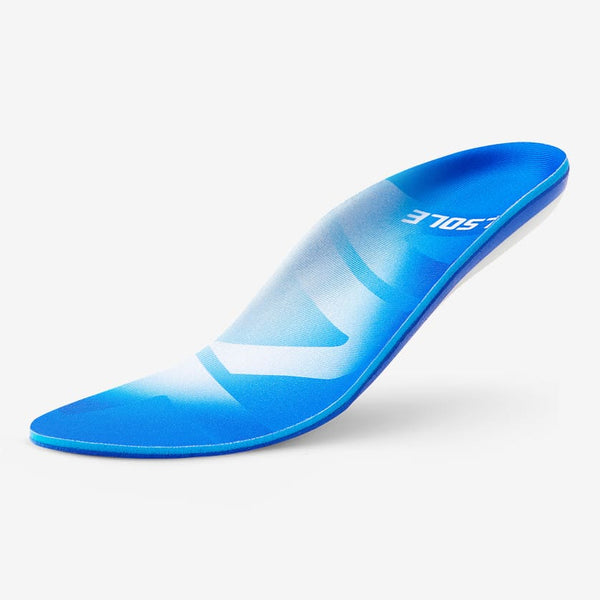
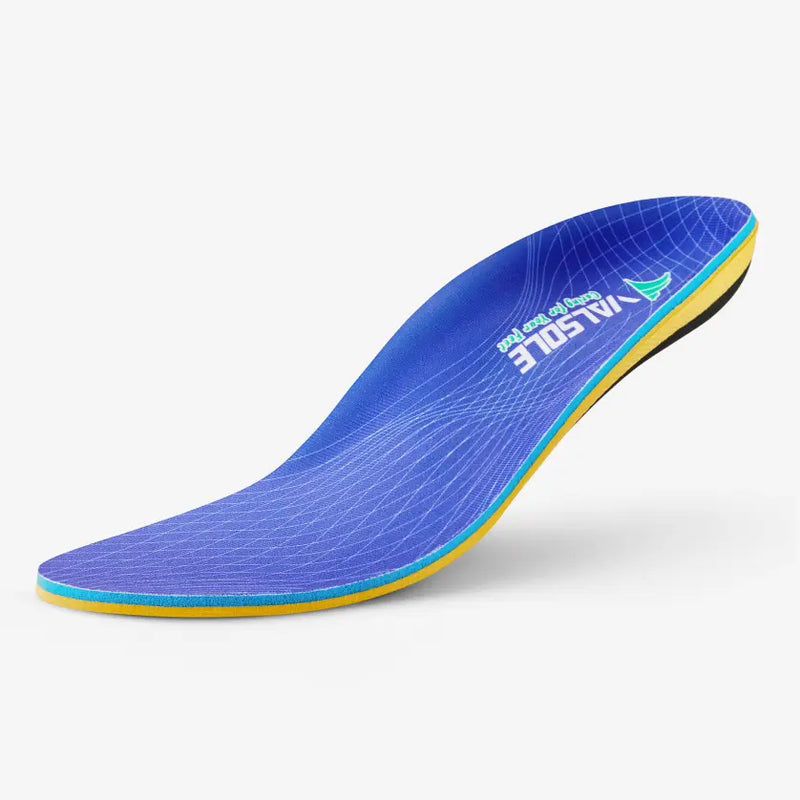


Stable Support
Built to deliver firm, reliable support with enhanced foot alignment and superior heel stability.
$37.99$39.99
View product


High-arch users often carry more pressure at the heel and forefoot, which can increase impact stress and fatigue if support is mismatched. The best high-arch setup improves force distribution while preserving smooth gait mechanics across your routine. In most cases, moderate structured support with good heel control outperforms extreme arch height that creates new pressure points.
Your target is stable comfort across activity types, not aggressive correction in one context.
Match support to motion pattern. High arches usually do better when each activity has the right balance of rebound, control, and comfort retention.
| Context | Support focus | What to avoid | Validation cue |
|---|---|---|---|
| Running | Heel stability + controlled rebound | Overly soft profiles that collapse at pace | End-of-run pain does not shift to new zones |
| Walking/commute | All-day shape retention | Immediate-softness-only choices | Fatigue onset moves later in day |
| Daily recovery | Low-load support continuity | Hard-floor barefoot transitions | Next-morning stiffness decreases |
Overcorrection often appears as new midfoot pressure, forefoot numbness, or lateral hot spots. When these signs appear, reduce support intensity or increase shoe volume before abandoning support entirely. Most overcorrection issues are fit-dose mismatches, not evidence that support is wrong for your foot type.
Use the lowest effective profile that keeps your gait stable through your longest activity window.
Track four markers: heel impact discomfort, forefoot pressure, fatigue onset, and post-activity recovery speed. Change one parameter at a time and keep the same shoes and socks while testing. If stability improves but pressure points appear, lower arch intensity slightly while maintaining heel control.
Pick the setup that gives the most repeatable weekly pattern, not the one with the most dramatic single-session feel.
For next steps, map activity needs in the Arch support guide, benchmark fit and structure with Stable Support insole, and confirm volume constraints with the Size guide before finalizing your high-arch setup.
Shop the products most relevant to the support path discussed in this article.
Keep reading with symptom-based guides and compare support options for your pain profile.


Loading size guide…


