


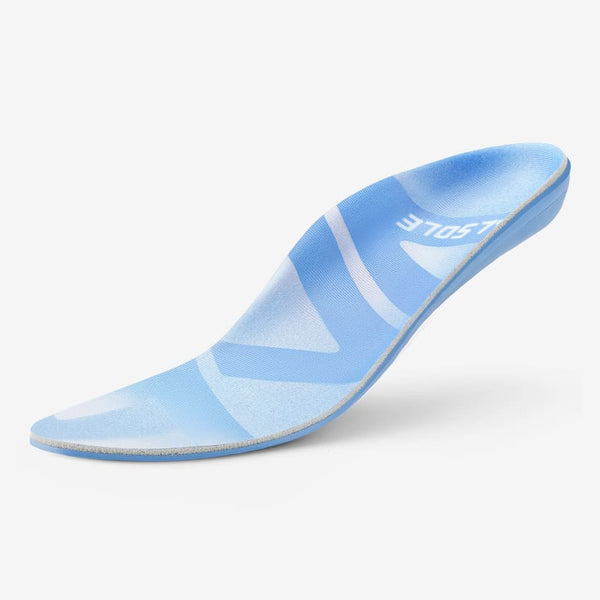
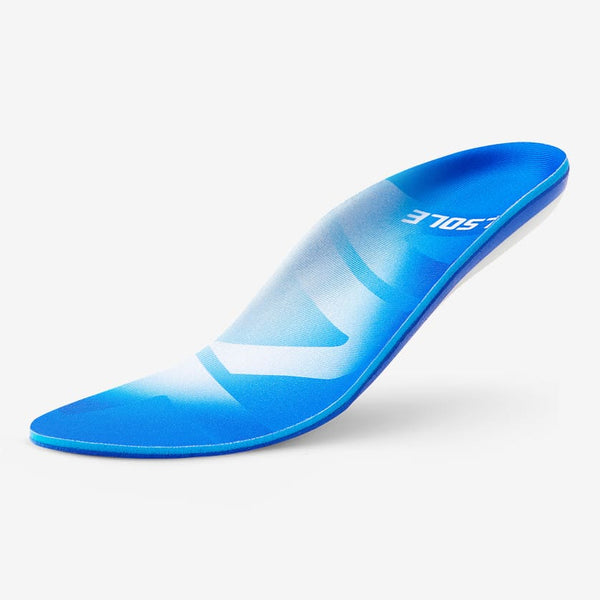
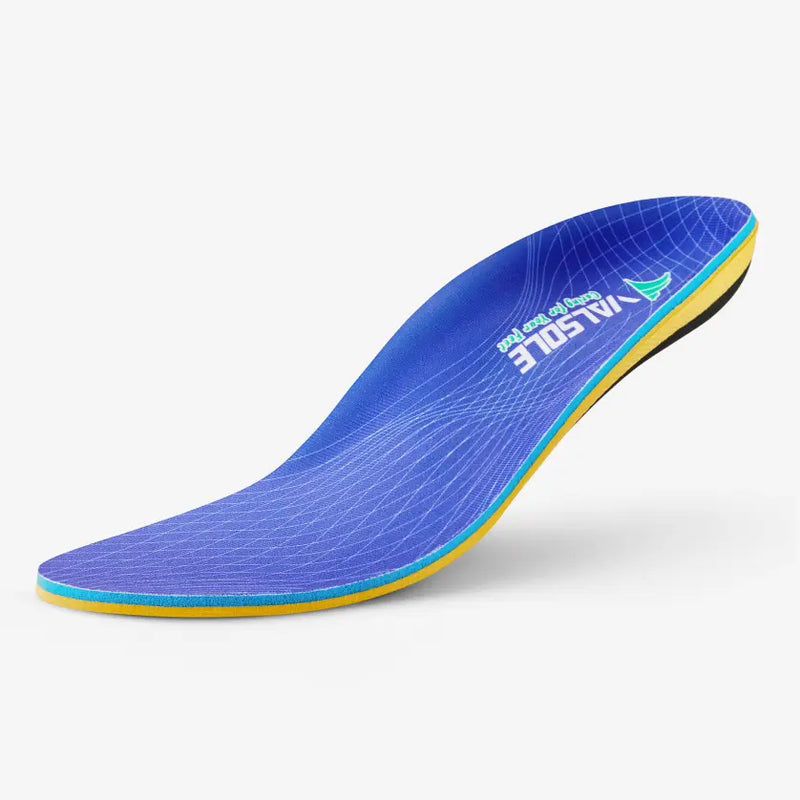




Strong fit
Heavy Duty Insole
Your pattern points to high-load in-shoe support.


Walking is one of the most repetitive human movements, yet it is often overlooked as a source of cumulative biomechanical stress. This article explores how insoles function as structural enhancements rather than simple cushioning inserts. By examining foot architecture, kinetic chain alignment, gait efficiency, and load redistribution, the discussion highlights how proper support improves energy economy and reduces repetitive strain. The article also outlines the long-term benefits of consistent insole use, including enhanced stability, improved comfort during long standing, and reduced joint stress. Through a biomechanical perspective, insoles emerge as a practical solution for transforming everyday walking into a more efficient, resilient, and comfortable experience.
Walking is often treated as incidental. A means to an end. From parking lots to office corridors, grocery aisles to evening strolls, the act itself fades into the background. Yet each step carries mechanical consequence. Repetition magnifies impact[1], and small inefficiencies compound quietly over time.
Discomfort rarely announces itself loudly at first. It begins as mild fatigue. A vague heaviness. A subtle reluctance to walk farther than necessary. These are not random sensations. They are biomechanical signals, often triggered by inadequate support during routine movement.[2]
When pressure is uneven or alignment falters, the entire kinetic chain feels the effect.[4]
Ankles compensate. Knees adjust. Hips follow suit.
Most shoes are designed with aesthetics and general fit in mind, not individualized support. The interior environment is typically flat, offering little guidance for natural foot mechanics. [5]
Over time, this mismatch between anatomy and footwear becomes noticeable, especially during long standing or extended walking.
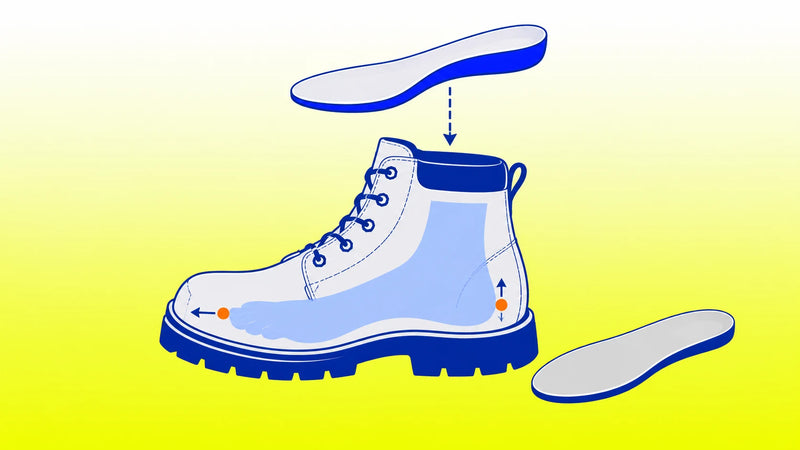
Insoles are often misunderstood as mere padding. In reality, well-designed insoles function as a structural enhancement. [6]
They introduce contour where there was none. They stabilize where the foot would otherwise collapse inward or drift outward.
True support is not about softness alone. It is about controlled motion. A supportive insole helps the foot move as intended, [7] limiting excessive strain while maintaining natural flexibility. The result is a grounded, balanced step that feels secure rather than constrained.
Every inefficient step costs energy. When the foot lacks proper support, muscles work harder to stabilize each stride. [8] Fatigue sets in faster. Walking becomes less fluid, more effortful.
Insoles redistribute load across the foot, reducing pressure hotspots[9] and improving overall balance. This subtle correction enhances gait efficiency. The body expends less energy compensating and more moving forward. Walking feels lighter. Endurance improves. Even short walks begin to feel noticeably different.
Consistent support does more than provide immediate comfort. It plays a preventive role. By reducing repetitive strain on joints and soft tissue[10], insoles help mitigate the gradual wear that often leads to chronic discomfort.
Knees experience less shock[11]. Lower limbs remain better aligned. The cumulative effect is a more resilient walking experience, day after day. Comfort becomes reliable, not conditional. Walking no longer feels like something to endure.

The benefits of insoles reveal themselves in ordinary moments. Standing in line. Walking through airports. Moving between meetings. These are not athletic scenarios, yet they place continuous demand on the feet.
With proper insoles, these moments feel more manageable. Pressure is diffused. Stability improves. The feet feel supported rather than stressed. Daily walking transforms from a source of quiet fatigue into a steady, comfortable rhythm.
Not all insoles are created for everyday use. Daily walking requires a balance of support, durability, and comfort. Look for insoles that offer structured support without excessive rigidity, and materials that maintain performance over time.
Consistency matters. Wearing supportive insoles regularly allows the body to adapt and benefit fully. The transformation is gradual but unmistakable. Walking becomes smoother. Fatigue diminishes. The routine act of moving through the day feels fundamentally improved.
Insoles do not change how far you walk. They change how well you walk.
[1] Nigg, B. M. (2010). Biomechanics of Sport Shoes.
[2] Whittle, M. W. (2007). Gait Analysis: An Introduction.
[3] Perry, J., & Burnfield, J. (2010). Gait Analysis: Normal and Pathological Function.
[4] Neumann, D. A. (2016). Kinesiology of the Musculoskeletal System.
[5] Lieberman, D. E. et al. (2010). Foot strike patterns and collision forces in runners.
[6] Mills, K., Blanch, P., & Vicenzino, B. (2010). Foot orthoses and lower limb mechanics.
[7] Cheung, R. T., & Ng, G. Y. (2007). Efficacy of foot orthoses on gait biomechanics.
[8] Winter, D. A. (2009). Biomechanics and Motor Control of Human Movement.
[9] Bonanno, D. R., et al. (2012). Effect of foot orthoses on plantar pressure.
[10] Radin, E. L., et al. (1986). Mechanical factors influencing cartilage degeneration.
[11] Collins, N., et al. (2007). Foot orthoses in lower limb overuse conditions.
Keep reading with symptom-based guides and compare support options for your pain profile.


Loading size guide…