


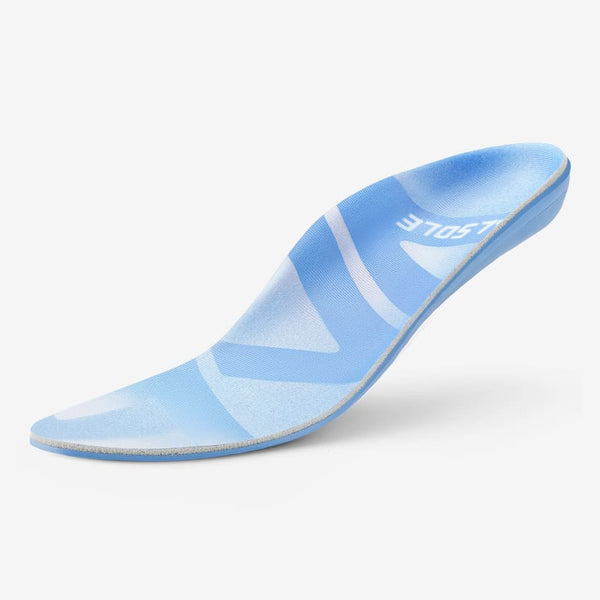
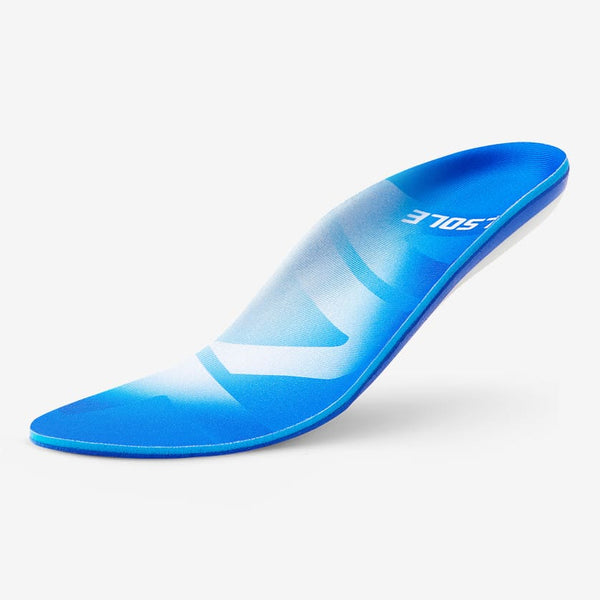
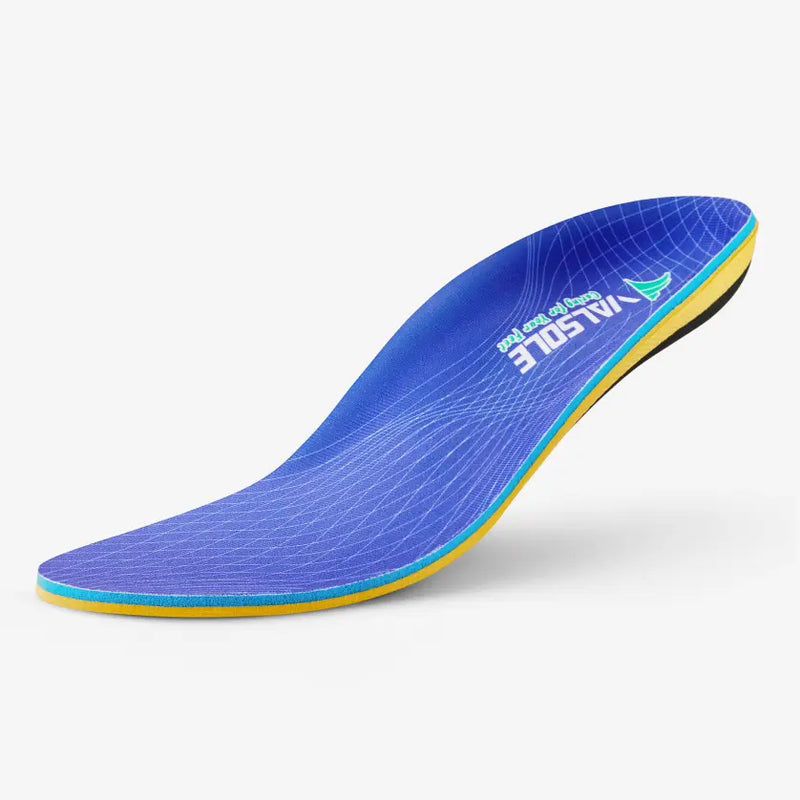


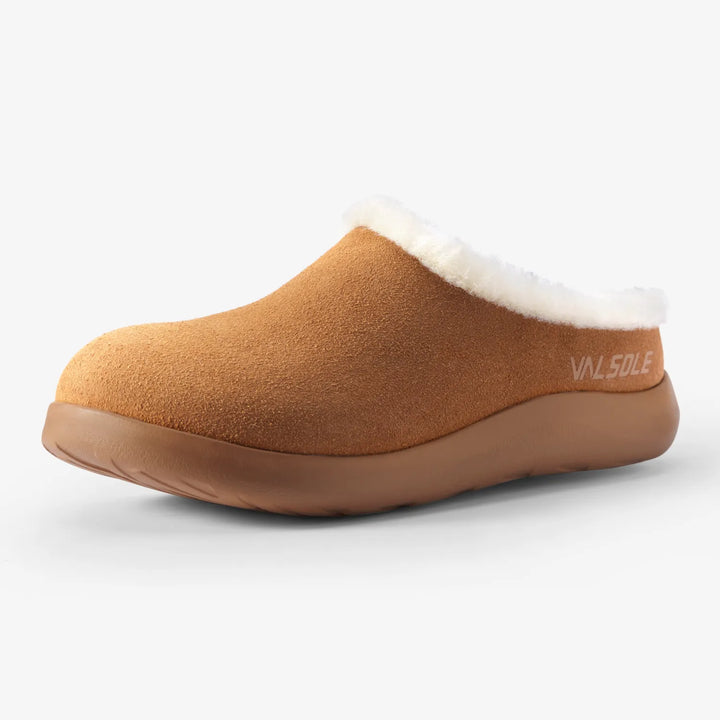
Hearth Clog
The Hearth Clog provides structured everyday stability and thermal comfort for users 220 lbs+,...
$59.99$89.99
View product


Recovery footwear works because it changes what repeated force feels like after a long day, hard workout, or long stretch on hard floors. The best designs do not simply add plushness. They absorb part of the landing force, spread pressure more evenly across the foot, and reduce the amount of small corrective work the heel, arch, and forefoot have to do during low-load walking at home. That is why recovery footwear is often more helpful after the day is over than another flat slipper or a soft sandal that feels pleasant for a minute but leaves the foot unstable afterward.
The science angle is simple: impact absorption matters, but it only works well when it sits on top of a stable base.
Impact absorption is the ability of the platform to soften and diffuse the force that travels up through the heel and forefoot when the foot lands. In recovery footwear, that usually matters most after the tissues are already irritated from work, training, or hard-floor walking. A supportive recovery platform does not erase load, but it can reduce how sharply that load hits the same zones over and over again. That is why a well-shaped recovery shoe often feels calmer through the heel and arch even if it is not the softest option in the room.
What shoppers feel as “less harsh” is often pressure being spread better, not just foam being softer.
Very soft recovery footwear can feel impressive at first touch, but softness alone does not guarantee a better recovery result. If the platform compresses too easily, lets the heel wobble, or leaves the arch with no guidance, the foot may still spend the whole walk trying to stabilize itself. That is why shoppers often discover that the most supportive recovery options are not the squishiest ones. They are the ones that combine cushioning with a base that stays predictable when the body is tired and the floor is unforgiving.
Recovery feels better when comfort and control show up together.
Support structure changes recovery footwear from a passive cushion into an active load-management tool. Heel guidance keeps landing more consistent. Midfoot contact helps the arch feel less abandoned after repeated strain. A better-shaped base keeps the foot from collapsing inward or drifting too loosely as you move around the house. This matters because recovery time is rarely motionless. People still cook, clean, climb stairs, and walk across hard floors after the workday or workout is over. The better the structure, the less wasted motion the foot has to manage during that low-load recovery window.
That is the real science behind why some recovery shoes feel restorative while others feel merely soft.
Hard floors expose weak recovery footwear quickly. Tile, wood, and concrete do not absorb much for you, which means the footwear has to do more of the work. A flat slipper may feel acceptable for short use, but the lack of pressure diffusion and heel control becomes more obvious over repeated laps around the house. That is why many buyers do not start caring about recovery footwear in theory. They start caring when they realize their feet feel much worse after home time than they did while wearing supportive shoes during the active part of the day.
If the floor is hard, supportive recovery design matters more than category labels.
The smartest move is to choose by recovery job. If the goal is supportive at-home wear after standing all day, a more stable clog can make more sense than a very soft open sandal. If the goal is quick transition after activity, a supportive slide may still be the better fit. And if the real pain still happens mainly inside work shoes, recovery footwear should complement rather than replace a stronger in-shoe support path. The right recovery product is the one that improves late-day comfort without making the foot work harder to stay balanced.
Good recovery footwear absorbs force, spreads pressure, and keeps the foot feeling calmer than it did before you put it on.
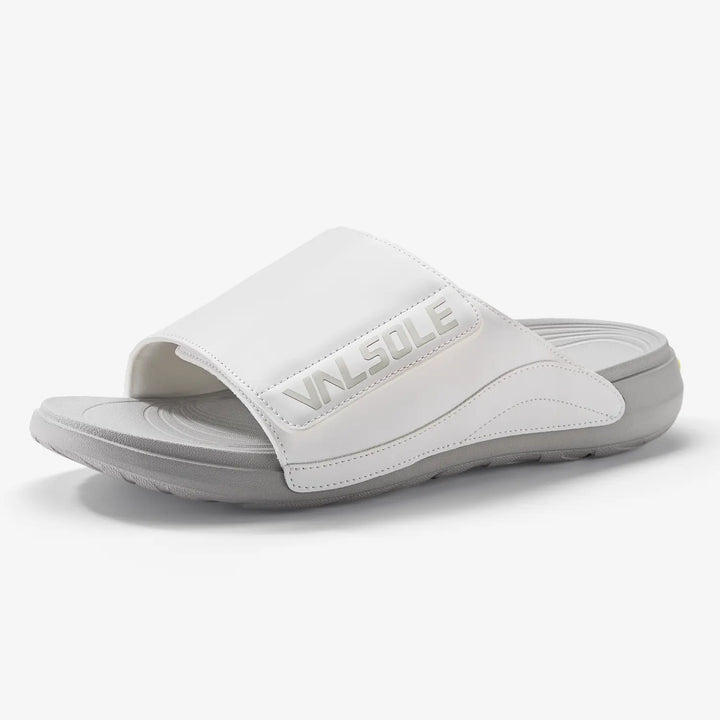
For the best next step, start with the Recovery Footwear Guide, compare category fit through Recovery Slide and Hearth Clog, use OOFOS alternative for a direct brand-level comparison path, and check the Standing All Day Support Guide if your recovery need starts after repeated workday load.
Shop the products most relevant to the support path discussed in this article.
Keep reading with symptom-based guides and compare support options for your pain profile.


Loading size guide…


