




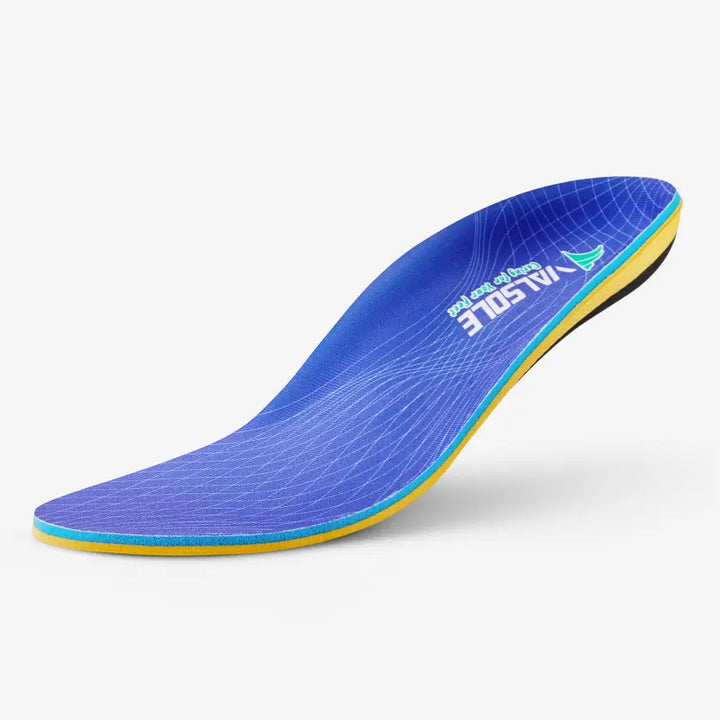
Heavy Duty
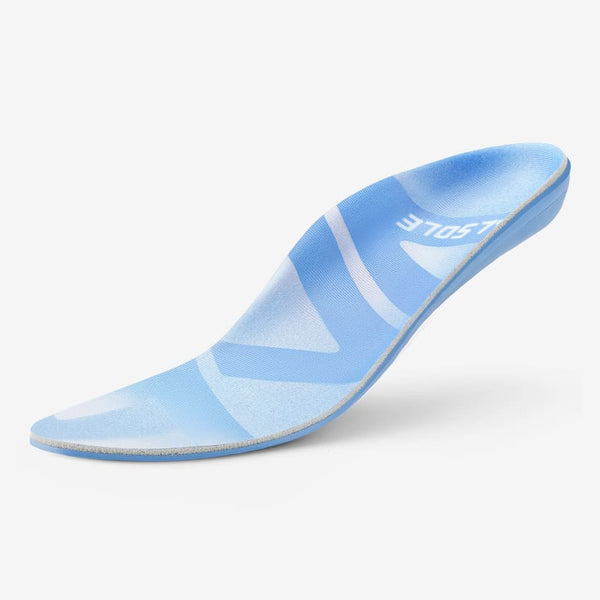
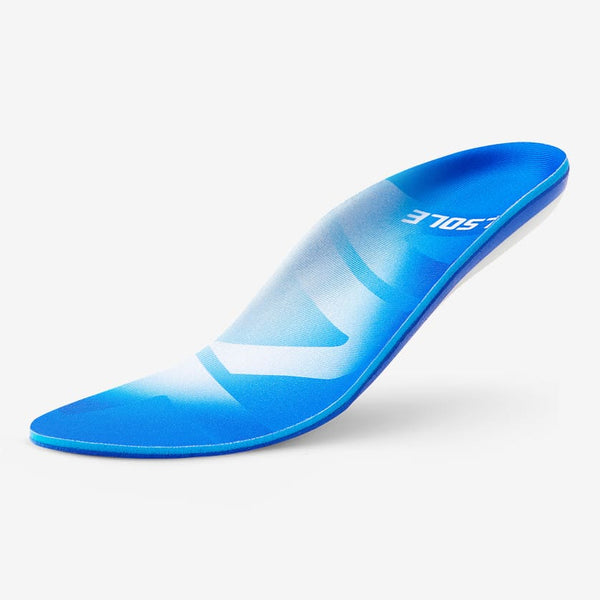
Strong arch support and pain relief for flat feet, plantar fasciitis, and heel pain....
$35.98$39.99
View product

Keeping insoles clean helps control odor, improve comfort, and extend usable life, but the wrong cleaning method can flatten foam, weaken adhesives, or damage structured support. If you are wondering whether you can wash insoles, the safest answer is usually gentle hand cleaning, full air drying, and replacing them once support is no longer consistent.
If you’re wondering whether you can wash insoles, the short answer is yes, but not all insoles should be cleaned the same way. Most insoles are safer to clean by hand with mild soap, a damp cloth, or a soft brush instead of being soaked, machine washed, or exposed to high heat. The reason is simple: support materials can lose shape, foam can break down, and glued layers can weaken if you clean them too aggressively. If you want your insoles to stay comfortable and supportive, the safest routine is gentle cleaning, full air drying, and regular inspection for wear.
The goal is not just to make insoles smell better. Good care helps preserve the support and structure that make them useful in the first place.
Yes, you can wash many insoles, but you should not treat all of them the same way. If you are asking whether you can wash shoe insoles, the safest answer is usually yes, but by hand rather than in a washing machine.
Most insoles respond better to mild soap, a damp cloth, or a soft brush than to soaking, spinning, or high heat. If you use aggressive cleaning methods, support materials can lose shape, foam can flatten, and adhesives can weaken. That means an insole may come out looking cleaner but performing worse.
If your insoles are dirty, sweaty, or starting to smell, cleaning makes sense. If they are already flattened, uneven, or no longer supportive, cleaning will not restore them.
Cleaning helps when the problem is odor, surface dirt, sweat, or normal buildup from daily wear. But it does not fix worn-out support.
If your insoles still look fine but your heel pain, arch fatigue, or general foot discomfort has started creeping back, the issue may be wear rather than hygiene. A dirty insole can be cleaned. A compressed or unstable insole usually needs to be replaced.
A simple rule is this: if the insole looks intact but feels less supportive than it did a few weeks ago, cleaning is not the real solution anymore.
If you are already thinking about replacing a worn pair, this is also a good moment to double-check sizing and shoe volume with the Size Guide.
Different insoles need slightly different care. Soft foam, structured arch-support insoles, fabric-covered insoles, and layered designs do not all respond equally well to water and heat.
Here is the safest general guide:
Foam or cushioned insoles
Best method: Wipe with mild soap and a damp cloth
Avoid: Machine washing, twisting, and high heat
Structured arch-support insoles
Best method: Spot clean and brush gently
Avoid: Full soaking and harsh chemicals
Fabric-covered insoles
Best method: Light hand cleaning and full air drying
Avoid: Dryer heat and storing them while still wet
Layered or glued designs
Best method: Surface cleaning only
Avoid: Prolonged submersion
If you are unsure what your insoles are made from, always start with the gentlest option first.
If you want to know how to clean shoe insoles safely, keep the process simple.
Do not try to speed things up with a dryer, radiator, or direct sunlight with strong heat. High heat can warp support layers and flatten cushioning much faster than people expect.
Drying fully matters. If you put insoles back into shoes while they are still damp, you can trap moisture, increase odor, irritate the skin, and shorten the life of the material.
The biggest mistakes are soaking insoles too long, scrubbing them too aggressively, and putting them back into shoes before they are fully dry.
Another common mistake is using strong cleaners that seem effective on odor but degrade the material or irritate the skin later. If your insoles have structured support, machine washing is especially risky because it can separate layers or weaken the exact shape you rely on for comfort.
A gentler routine done consistently is usually much better than an occasional deep-clean that damages the product.
If odor returns unusually fast after cleaning, the insole may not be the only issue. Shoes and socks can also hold odor and moisture, so they should be part of the care routine too.
For daily wear, a light surface clean every couple of weeks is usually enough. If you sweat heavily, work long shifts, or wear the same pair every day, you may need to spot clean them more often.
More important than a strict schedule is regular inspection. Check for:
That combination of hygiene checks and wear checks tells you much more than smell alone.
Usually, no.
Most shoe insoles last longer if you clean them by hand instead of putting them in a washing machine. Machine washing can twist the material, weaken adhesives, flatten support zones, and leave insoles damp for too long.
If the brand specifically says machine washing is safe, follow that guidance exactly. If not, hand cleaning is the better default because it preserves support and lowers the chance of damage.
If you are unsure whether your current pair is still worth keeping, compare its condition against a more durable support option like the Heavy Duty Insole or a lower-profile everyday option like the Stable Support Insole.
If you’re asking whether you can wash insoles, the safest answer is yes, but gently. For most insoles, hand cleaning with mild soap, light brushing, and full air drying is the best method. Avoid machine washing, avoid high heat, and pay attention to whether the real problem is dirt or simply wear.
Clean insoles last longer, smell better, and feel better, but only if you care for them without damaging the support they are supposed to provide.
For next steps, check your fit with the Size Guide, compare durable support options like the Heavy Duty Insole and Stable Support Insole, and review common fit questions in the FAQ before choosing your next pair.
Shop the products most relevant to the support path discussed in this article.


Keep reading with symptom-based guides and compare support options for your pain profile.


Loading size guide…


