
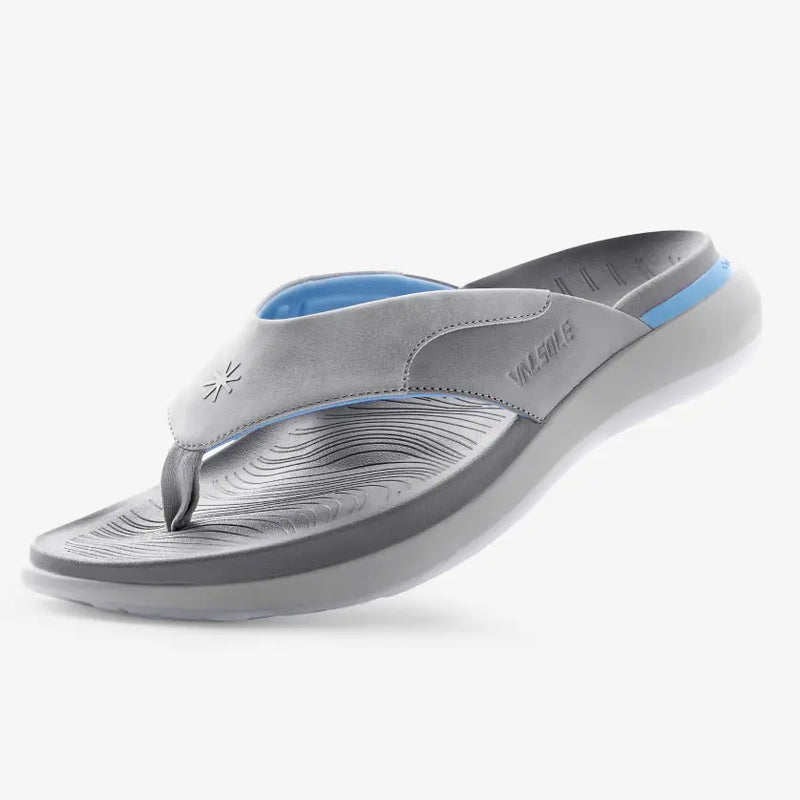
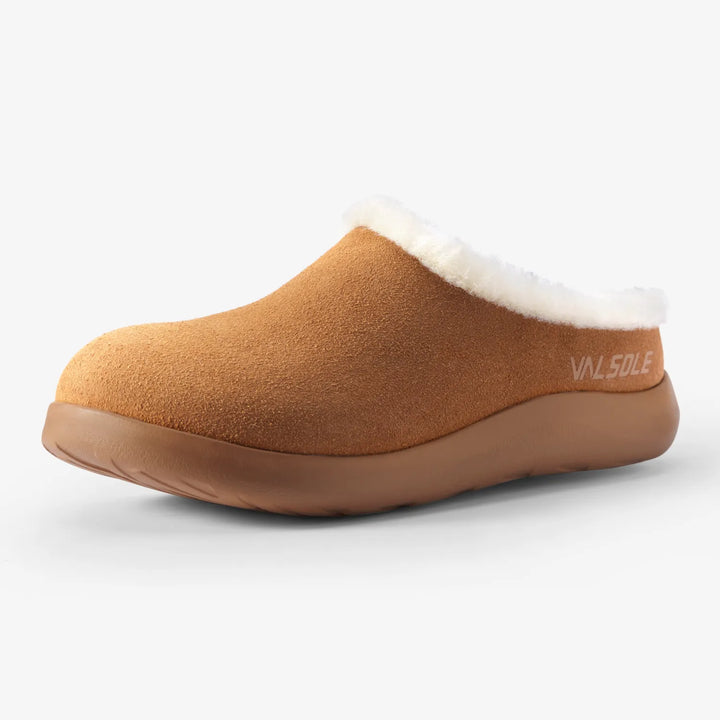
Hearth Clog
The Hearth Clog provides structured everyday stability and thermal comfort for users 220 lbs+,...
$69.99$89.99
View product


If heel pain keeps returning after work, the root issue is often repetitive load patterns that are never fully interrupted. Temporary relief methods may help for hours, but symptoms rebound when the same stress pattern repeats the next shift. Lasting improvement usually requires a system change: stable support during high-load periods, reduced hard-floor exposure during recovery windows, and timely replacement of worn footwear components.
To stop recurrence, focus on repeatable mechanics first and symptom tracking second. Guesswork prolongs the cycle.
Use this matrix to identify the top driver in your routine before buying new products.
| Recurring pattern | Likely driver | Primary intervention | Why it works |
|---|---|---|---|
| Pain returns each evening | Support collapse under shift load | Upgrade support retention and heel control | Lowers repeated peak stress events |
| Pain returns next morning | Poor post-shift unloading | Supportive recovery footwear at home | Reduces overnight stress carryover |
| Short-term relief, rapid relapse | Multiple variables changing randomly | Single-variable adjustment protocol | Makes cause-effect clear and actionable |
Start by stabilizing your highest-load context first, usually work shifts. Keep footwear, socks, and support profile consistent for seven days while tracking outcomes. Add recovery footwear for low-load periods to avoid hard-floor rebound stress. Only after this baseline is stable should you test stronger or softer support profiles.
This order reduces noise and prevents false conclusions from overchanging your routine.
Escalate when morning pain, shift-time onset, and end-of-day soreness do not improve together after two to three weeks of consistent protocol. Escalation can include stronger structural support, replacing degraded shoes, or adjusting recovery exposure. Escalation should remain stepwise: one major change, then re-evaluate across several days.
Escalation is not failure. It is structured optimization once your baseline data is clear.
Track three daily scores: first-step pain, time-to-onset during work, and bedtime soreness. Add one note about footwear used that day. Trends in this simple log will usually reveal whether recurrence is coming from support mismatch, wear-state decline, or recovery routine gaps.
Once two weeks of trend data improves, keep the winning setup long enough to consolidate gains before testing new options.
For next steps, compare symptom pathways in the Heel spur relief guide and Plantar fasciitis relief guide, then use Hearth Clog to maintain supportive indoor recovery continuity.
Shop the products most relevant to the support path discussed in this article.
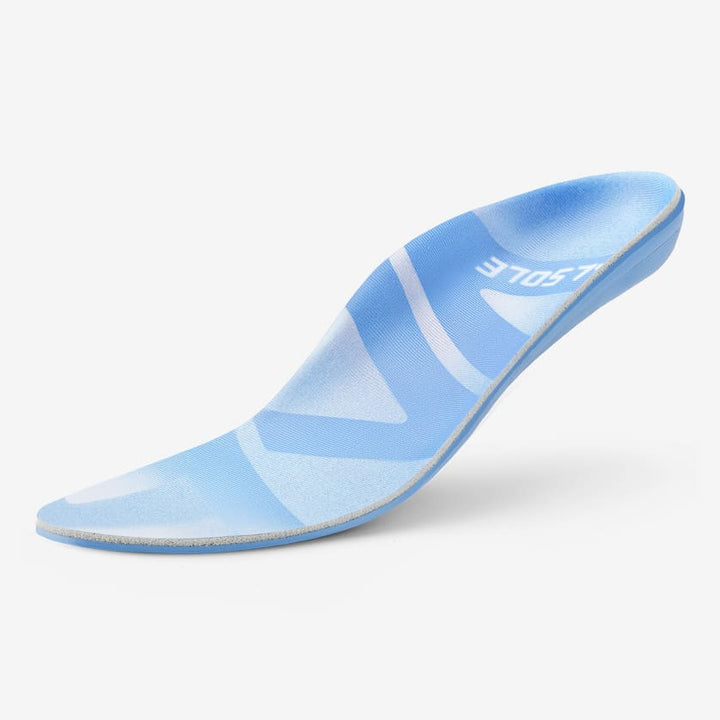

Keep reading with symptom-based guides and compare support options for your pain profile.


Loading size guide…