


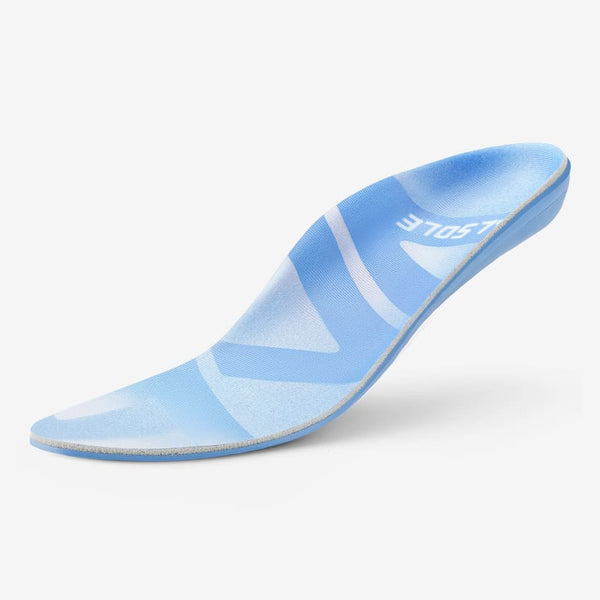
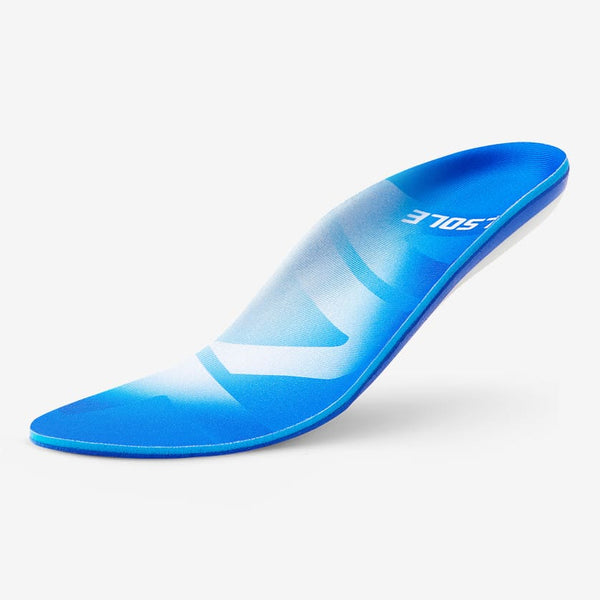

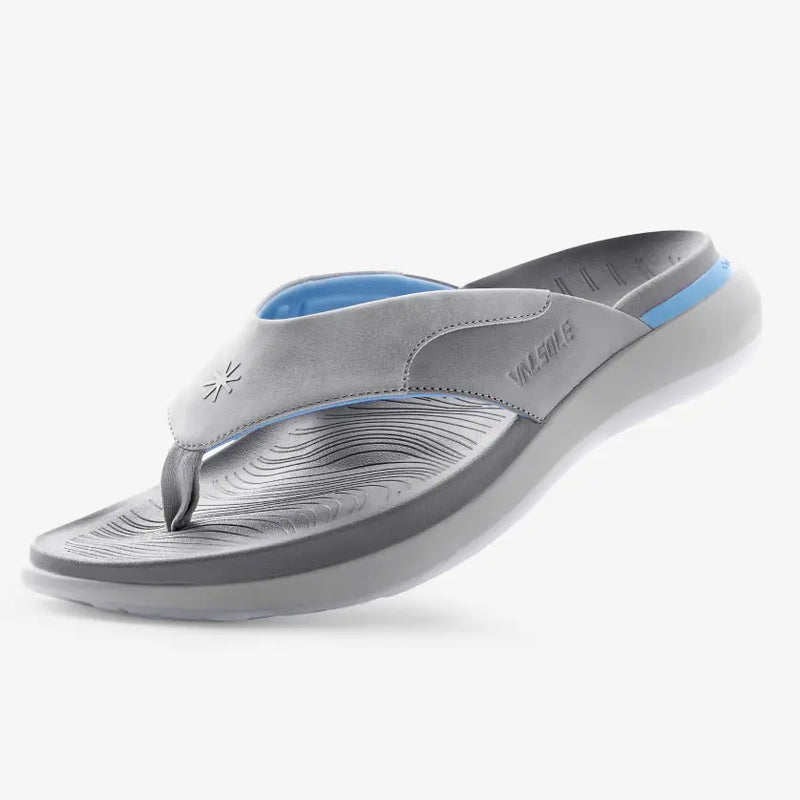
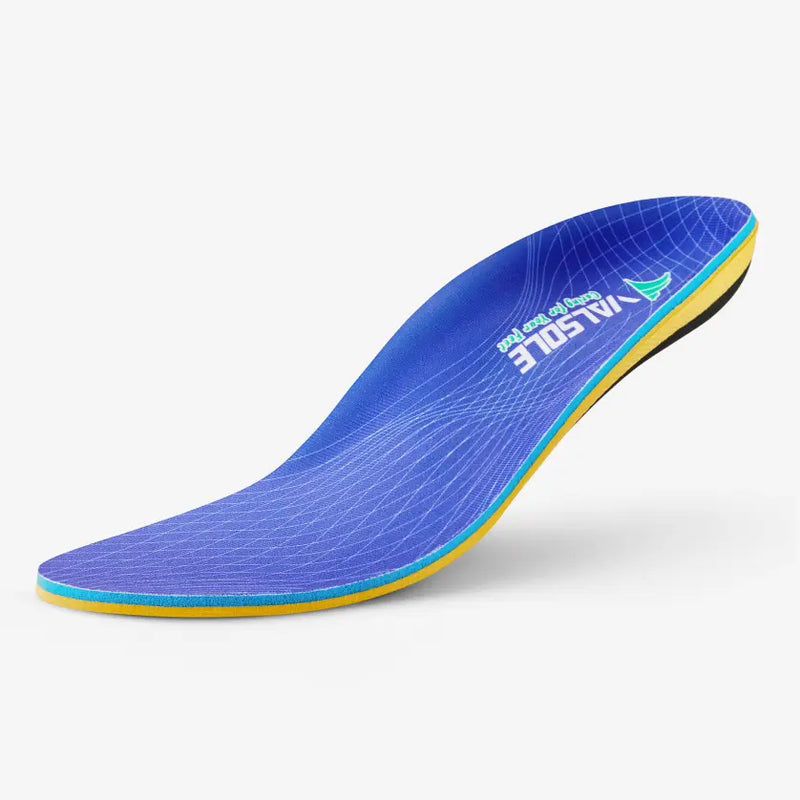




Strong fit
Heavy Duty Insole
Your pattern points to high-load in-shoe support.


Standing desks and supportive insoles do not solve the same problem, even though both often enter the conversation when back pain shows up during long workdays. A standing desk mainly changes position strategy by reducing nonstop sitting time and allowing more movement. Supportive insoles work lower in the chain by changing how the foot, arch, heel, and lower limb handle repeated load. If back pain is tied to underfoot instability, hard floors, shift-like standing blocks, or fatigue that builds upward from the feet, insoles often do more direct work than a desk change alone.
The smartest first move is to ask where the failure starts. If the problem begins with foot fatigue and then climbs into the knees, hips, or lower back, the support decision usually belongs under the foot before it belongs on the desk.
Standing desks are most useful when the biggest issue is static sitting, poor posture variety, or long computer sessions with almost no movement. They create more opportunities to alternate position, reset posture, and reduce uninterrupted sitting time. That can absolutely help some people with stiffness and back fatigue. But a standing desk also introduces new load if the person already has weak underfoot support, hard-floor exposure, or a history of heel and arch fatigue. In that case, standing more without improving ground contact can simply move the stress pattern instead of solving it.
This is why some people feel better with a standing desk at first, then feel worse after longer use. The desk improves one variable while exposing another.
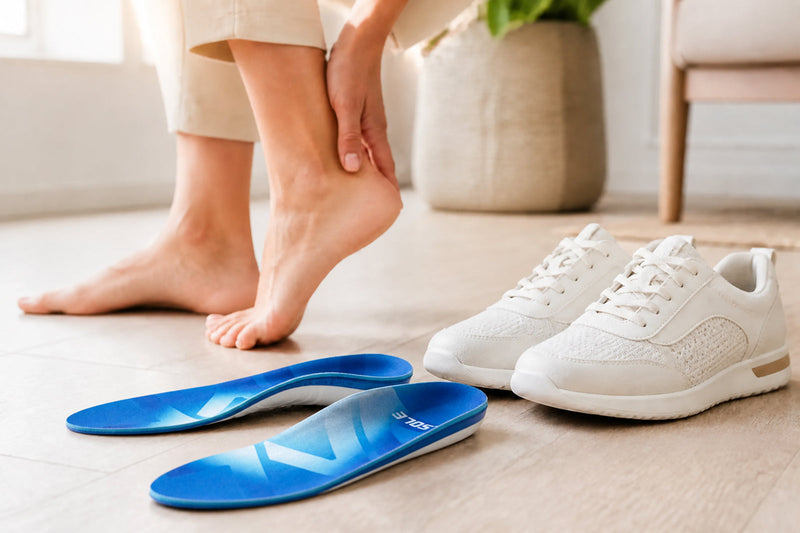
Supportive insoles matter when back pain is being fed by the mechanics below the waist. Better arch control, more stable heel contact, and less collapse during long standing or walking blocks can reduce how much compensatory stress travels upward. They do not replace every workstation fix, but they often solve the part of the problem that desks never touch: how the body handles repeated impact and support breakdown from the floor up.
This is especially relevant for people who already notice foot soreness, heel irritation, calf tightness, or end-of-day fatigue before the back begins to complain. That sequence usually means underfoot support deserves serious attention.
Use this table to decide which change should come first.
| Observed pattern | Better first move | Why | What to track next |
|---|---|---|---|
| Back stiffness rises mainly after long sitting blocks | Standing desk setup | Position variety is the bigger missing variable | How often posture changes during the day |
| Feet and heels fatigue first, then the back feels worse later | Supportive insoles | The load problem is likely starting from the ground up | Time-to-fatigue and end-of-day soreness |
| Standing desk helped a little but long standing still feels punishing | Add supportive insoles | The workstation changed posture, not support retention | Whether support lasts through the second half of the day |
For many workers, the real solution is not choosing one side forever. It is sequencing correctly. If the body is already failing from foot fatigue and hard-floor exposure, start by improving support. Once that base is more stable, a standing desk can add posture variety without asking the feet to absorb all the new demand alone. Reversing the order often creates confusion because the person thinks the desk \"did not work\" when the real missing piece was still under the foot.
The right order usually makes the overall system easier to evaluate because each improvement solves a different layer of the same workday load problem.
For the best next step, start with the Standing All Day Support Guide, compare symptom pattern in the Foot Pain Relief Guide, and review the VALSOLE insole lineup if the real problem seems to start from the floor up instead of from the desk alone.
Keep reading with symptom-based guides and compare support options for your pain profile.


Loading size guide…