


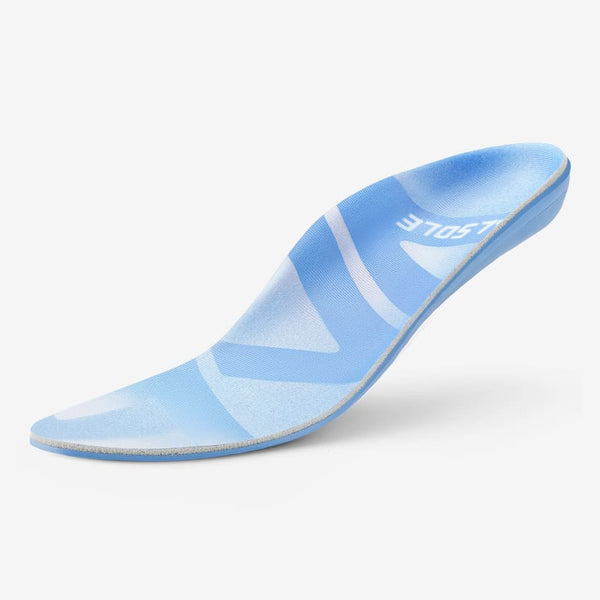
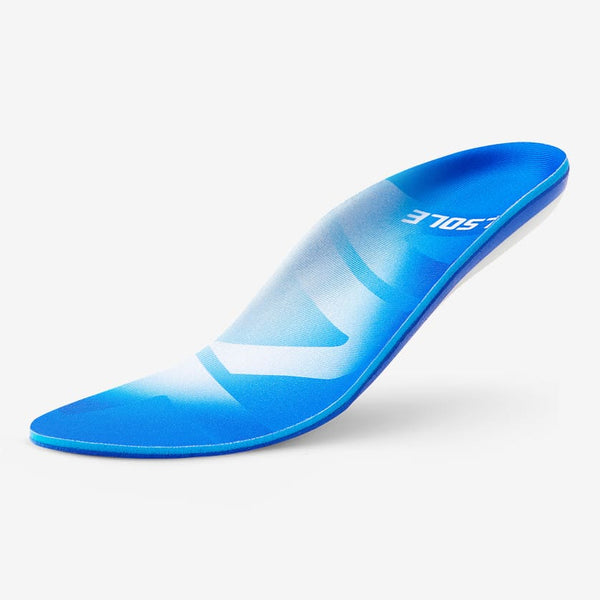
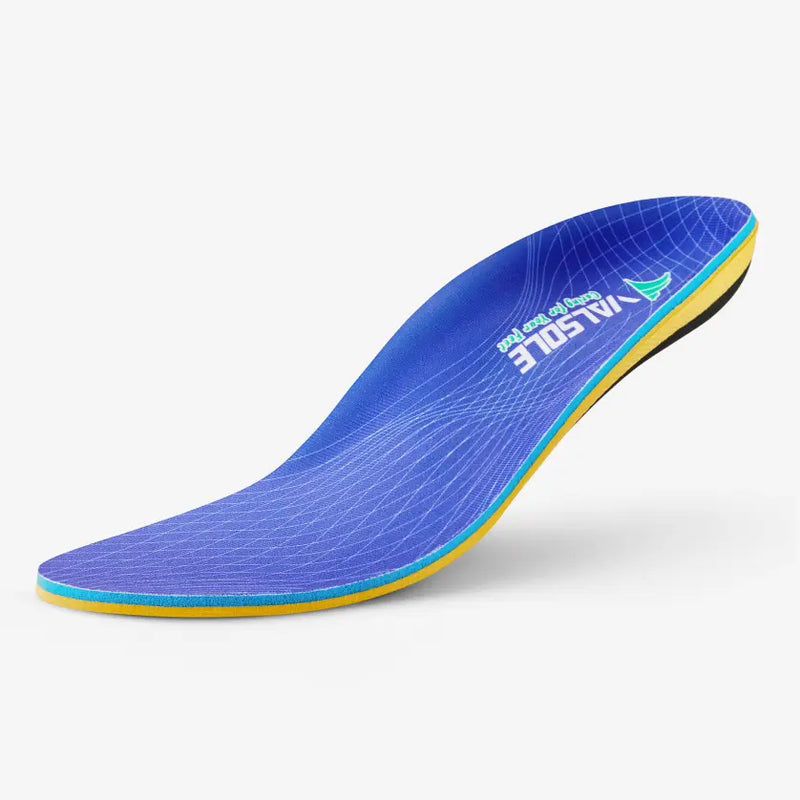


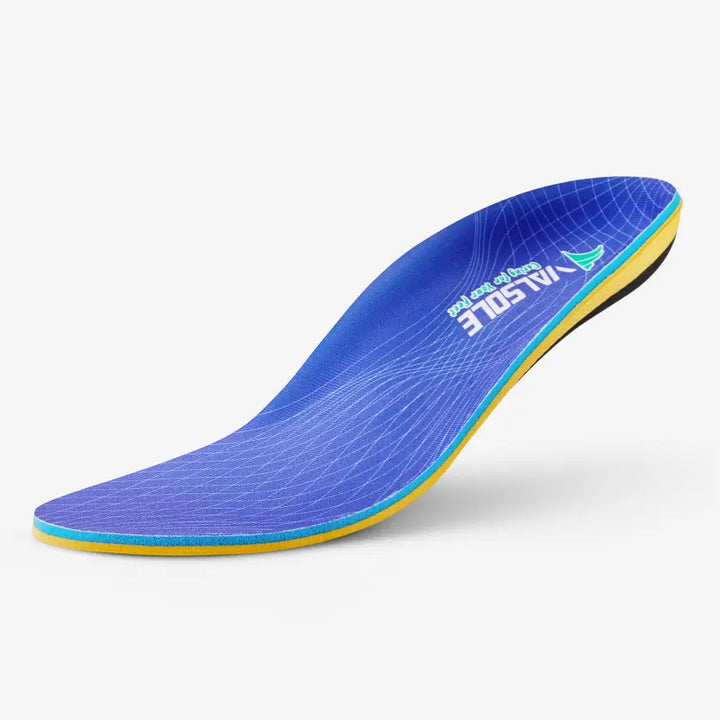
Heavy Duty
Heavy Duty is VALSOLE's firmer in-shoe support path for long standing, work boots, and...
$35.98$39.99
View product


Selecting the right orthotic support starts with understanding the geometry of your own feet. Whether you are dealing with chronic heel pain or looking for preventative comfort, your arch height determines how load is distributed across your plantar fascia and kinetic chain. A mismatch between your arch type and your footwear can lead to premature "foam fatigue" and structural misalignment.
The "Wet Test" is the industry-standard at-home method to visualize your footprint and identify your structural profile. By observing the contact area of your midfoot, you can determine if you require the stability of a high-arch support shell or the balanced cushioning of a neutral system.
Follow these three simple steps to get an accurate reading of your footprint. We recommend performing this on a flat, dry surface like a concrete floor or a piece of heavy construction paper for the clearest results.
| Step | Action | What to look for |
|---|---|---|
| 01 | Moisten your foot | Lightly wet the bottom of your foot with water. |
| 02 | Step and Press | Step firmly onto a dry, flat surface with your full body weight. |
| 03 | Analyze | Step away and look at the shape of the damp mark left behind. |
Once you have your footprint, compare it to the three primary categories below. Each profile interacts differently with the Windlass Mechanism, which is why choosing the correct VALSOLE rigid support structure is critical.
Flat Arches (Low): If the entire footprint is visible with almost no inward curve, you likely have flat feet. This often leads to overpronation, where the foot rolls inward excessively. We recommend our Heavy Duty Support for maximum stability.
Neutral Arches: A visible curve connecting the heel and the ball of the foot suggests a neutral profile. This is the most common type, requiring a balance of support and shock absorption. Our Stable Support Insole is an ideal fit here.
High Arches: If only the heel and the ball of the foot are visible with a very thin or missing connection in the middle, you have high arches. This structure needs specialized support to fill the gap and prevent peak pressure on the heel.
Now that you’ve identified your arch type, you can stop guessing and start supporting. Proper biomechanical alignment doesn't just feel better—it protects your feet from the cumulative load of long days.
For more detailed guidance, check out our Foot Pain Relief Guide, or explore our collection of Biomechanical Insoles to find your perfect match. If you’re dealing with specific conditions like flat feet, read our Flat Feet Support Guide for more targeted advice.
Shop the products most relevant to the support path discussed in this article.


Keep reading with symptom-based guides and compare support options for your pain profile.


Loading size guide…


