
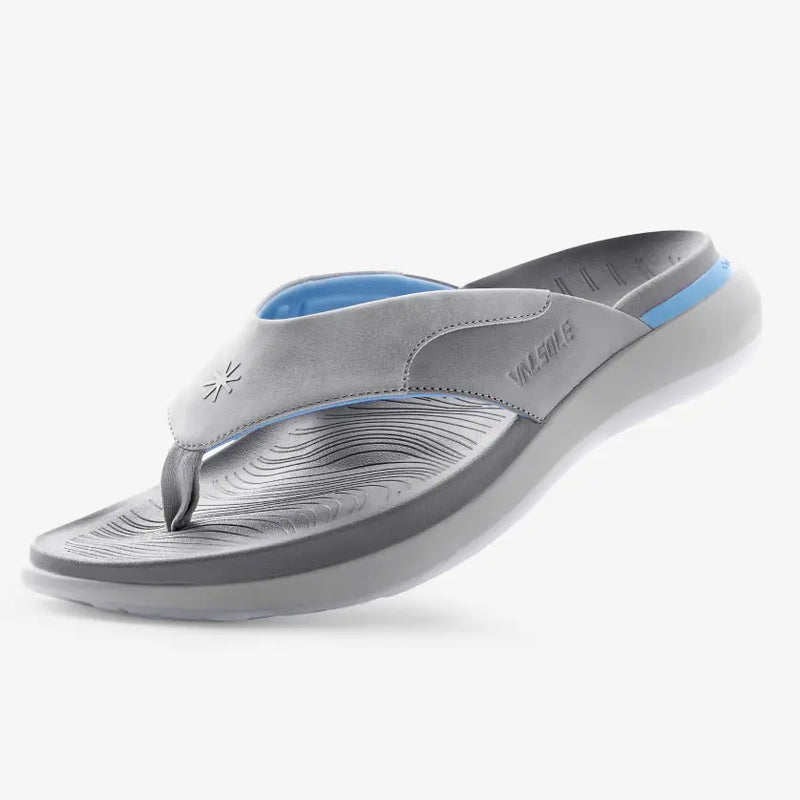
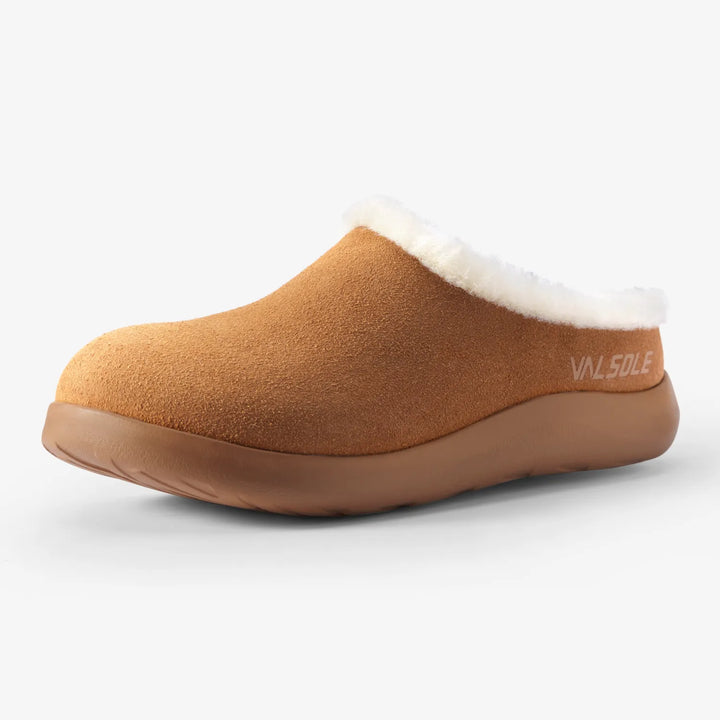
Hearth Clog
The Hearth Clog provides structured everyday stability and thermal comfort for users 220 lbs+,...
$69.99$89.99
View product


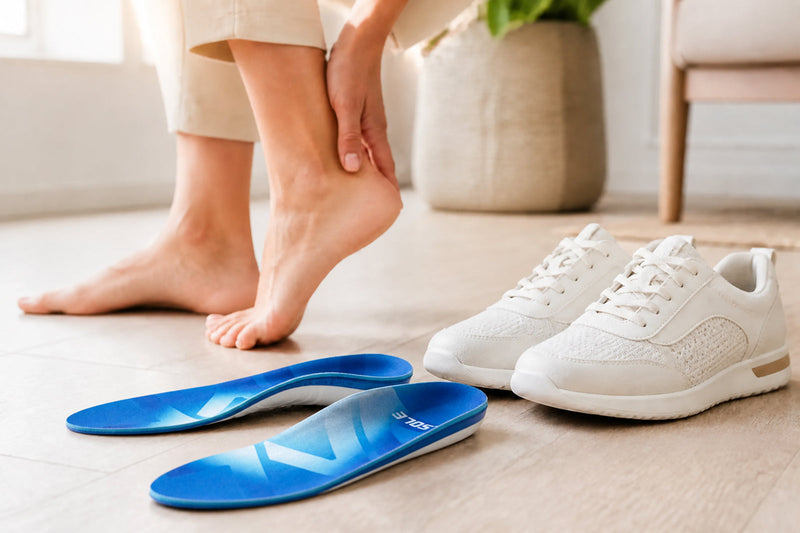
Standing on concrete amplifies heel impact and arch fatigue because the surface offers almost no energy absorption. The fastest improvement usually comes from combining stable footwear, durable support retention, and simple shift-day routines that reduce cumulative stress peaks. Relief is rarely about one dramatic change; it is usually about consistent load control from first hour to last hour.
If symptoms rise late in the day, your system is likely losing structure under load, even if it felt good early on.
Use this matrix to choose your first improvement step based on where and when pain appears.
| Observed pattern | Likely issue | Primary fix | Secondary fix |
|---|---|---|---|
| Heel pain spikes during long standing blocks | Insufficient heel damping + rearfoot control | Supportive heel cup and stable base | Anti-fatigue mat in fixed zones |
| Arch fatigue by midday | Support shape loss under load | Higher shape-retention support profile | Shoe platform upgrade |
| Pain returns quickly next morning | Poor post-shift unloading | Supportive recovery footwear | Reduce barefoot hard-floor exposure |
Start shifts in your support setup immediately and keep it consistent through the highest-load period. Add short movement breaks every 45-60 minutes to avoid prolonged static loading in one position. After shift, transition to supportive low-load footwear rather than hard-floor barefoot walking.
This routine reduces cumulative stress carryover, which is a common reason pain feels worse day after day despite occasional relief moments.
Track first-step pain, fatigue-onset time, and end-of-day soreness for at least seven days. A successful setup moves fatigue later, lowers peak pain, and improves next-morning readiness. If only one metric improves, adjust one variable at a time and retest instead of replacing everything at once.
Pattern stability is the real success metric. One great day is useful, but repeatable improvement is what predicts long-term control.
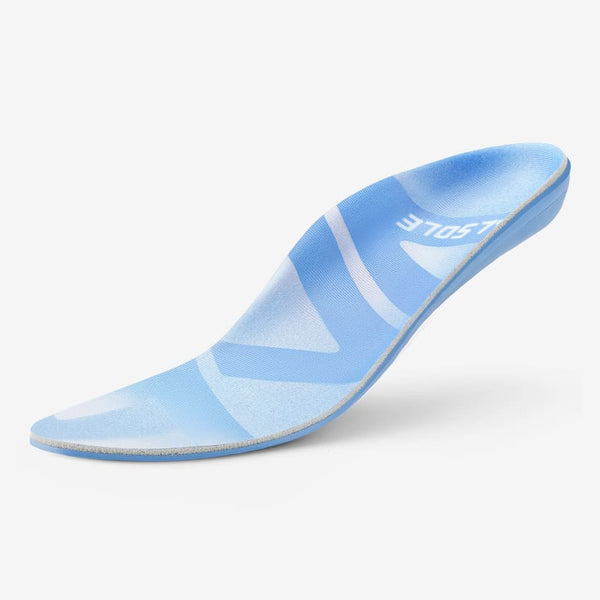
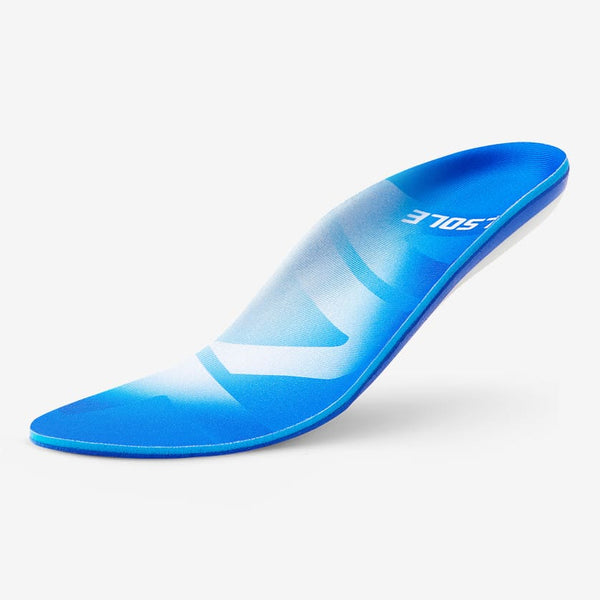
For next steps, review the Plantar fasciitis relief guide, use Hearth Clog for supportive indoor continuity, and compare load-specific options in the Insoles collection for shift-day calibration.
Shop the products most relevant to the support path discussed in this article.

Keep reading with symptom-based guides and compare support options for your pain profile.


Loading size guide…