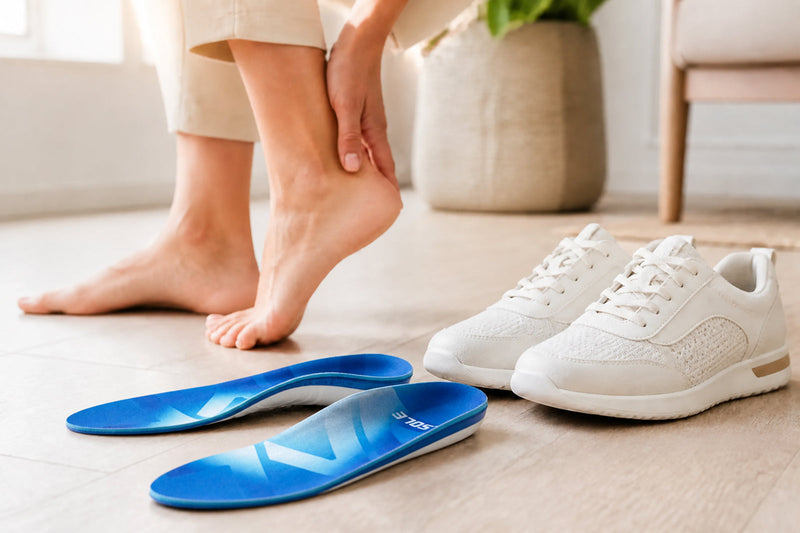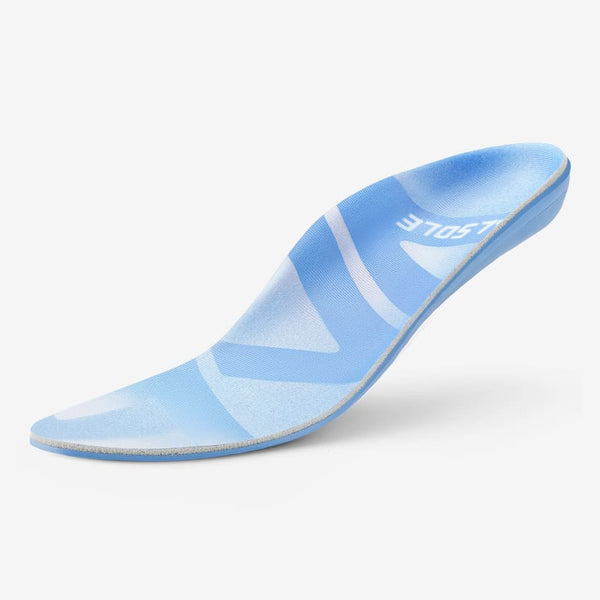
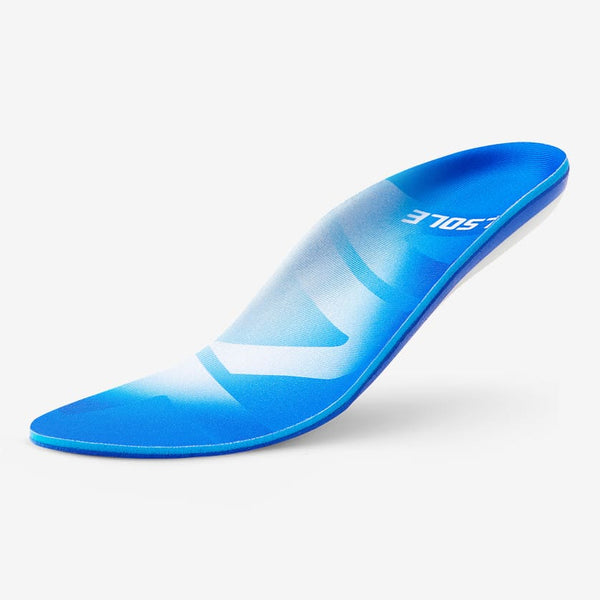

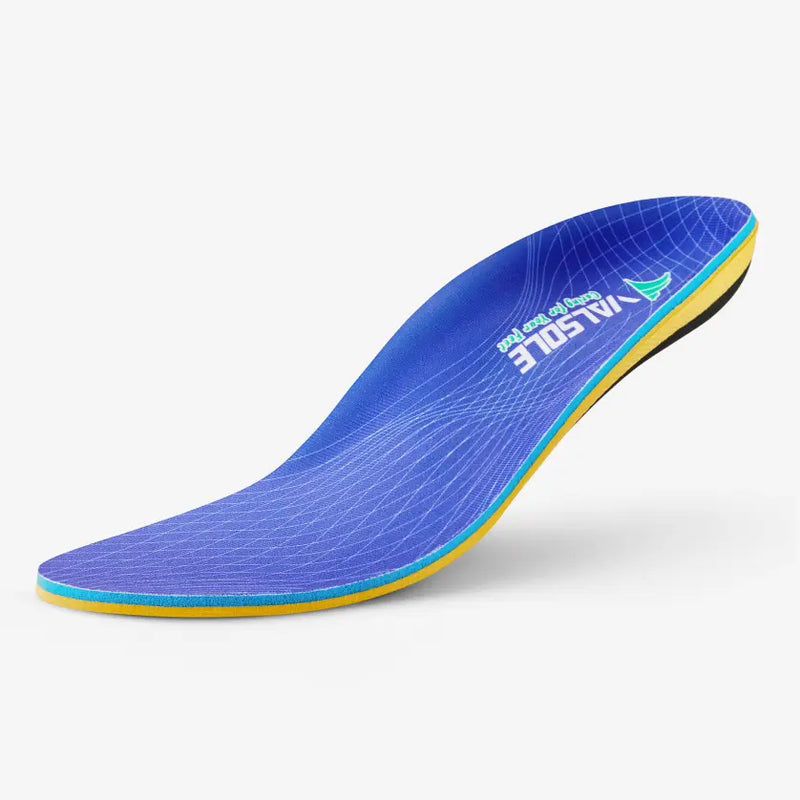

Stable Support
Built to deliver firm, reliable support with enhanced foot alignment and superior heel stability.
$37.99$39.99
View product


If numbness starts after adding insoles, do not assume the support profile is automatically wrong. In many cases the insole simply changes how much vertical and forefoot space remains inside the shoe. When that new stack height combines with tight lacing, narrow toe shape, or a shallow upper, the toes lose space and symptoms appear quickly.
The fastest fix is to identify whether the problem is support geometry, interior volume, or lacing pressure before replacing everything at once.
Use timing and location to separate pressure causes instead of judging by discomfort alone.
| Observed signal | Likely cause | First adjustment | Success marker |
|---|---|---|---|
| Numbness within 20-40 minutes | Top-of-foot or forefoot compression | Reduce lacing pressure and re-check toe room | Warm toes without loosened heel control |
| Numbness only after long standing block | Volume loss from swelling plus stack height | Use lower-profile support or higher-volume shoe | Later symptom onset during same shift |
| Forefoot burn plus toe squeeze | Toe box shape mismatch | Keep support, change shoe geometry | No pressure ridge across toes |
The insole is the primary issue when symptoms begin only after the support is inserted and disappear reliably when the original sockliner returns. Excess forefoot thickness, aggressive arch geometry, or a shape that pushes the foot upward into the upper can all trigger compression. In that case, the correct move is not to abandon support entirely but to test a lower-profile or better-matched structure.
If heel stability improves but toe numbness increases, you may have improved control at the cost of usable interior volume.
If the shoe was already close-fitting before any support change, the insole may only expose a volume problem that was already present. A shallow toe box, rigid upper, or lacing system that concentrates pressure over the instep can all create numbness once interior space shrinks. In these cases, replacing insoles repeatedly will not solve the root issue because the shoe no longer provides enough room for the foot-support system to work together.
Check your fit baseline against the Size guide before assuming you need softer support.
Track symptom onset time, numbness intensity, and heel stability for one week. Change only one variable at a time: lacing pattern, support profile, or shoe volume. If numbness improves while stability stays consistent, keep that adjustment. If numbness improves only when support is removed, test a lower-profile option before changing shoe category.
Short controlled tests work better than buying multiple products at once because they show which constraint is actually driving the symptom.
For next steps, verify baseline volume in the Size guide, compare support profiles with Stable Support insole, and review wider fit strategy in the Wide feet comfort guide.
Shop the products most relevant to the support path discussed in this article.
Keep reading with symptom-based guides and compare support options for your pain profile.


Loading size guide…