


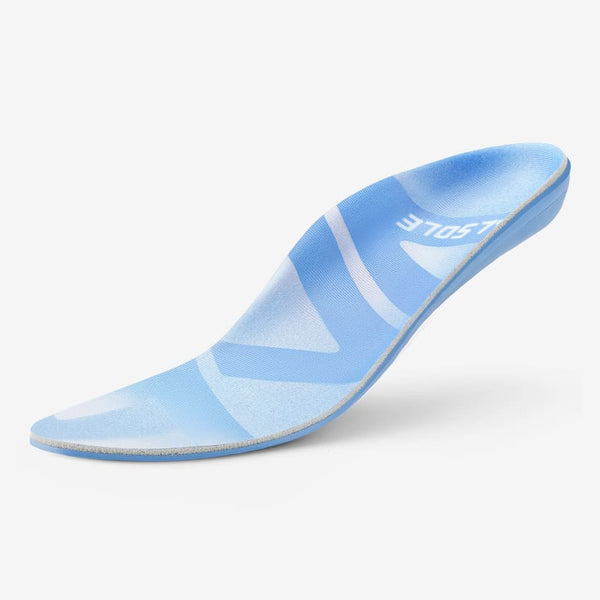
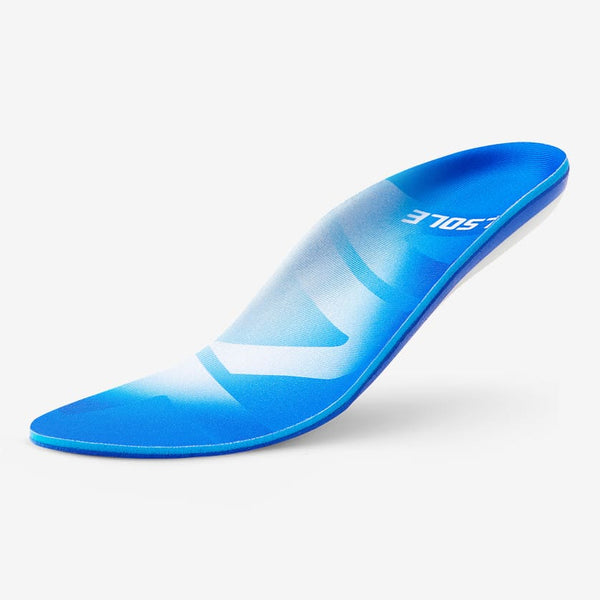

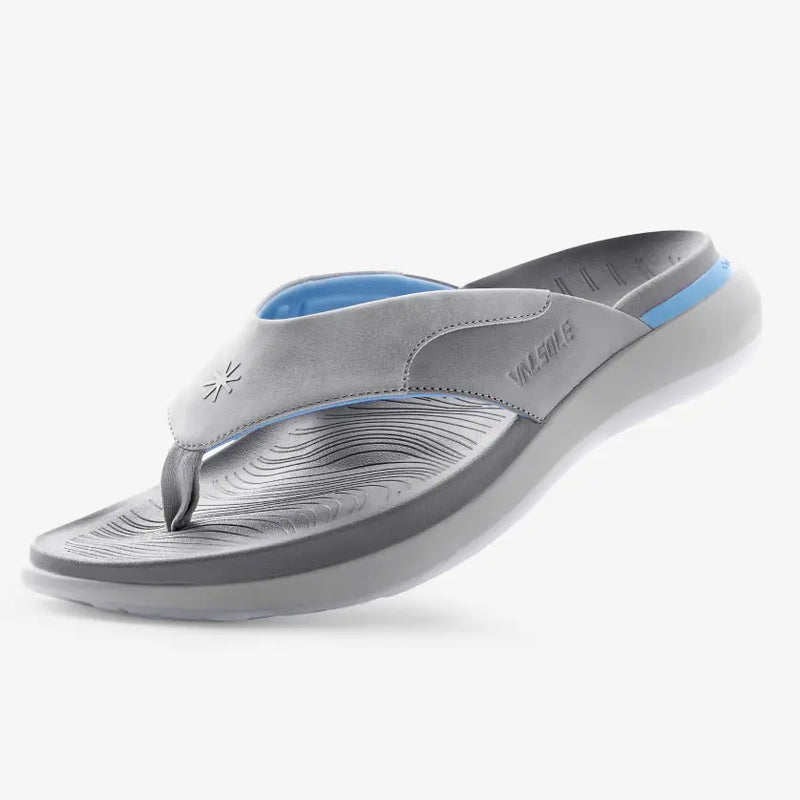
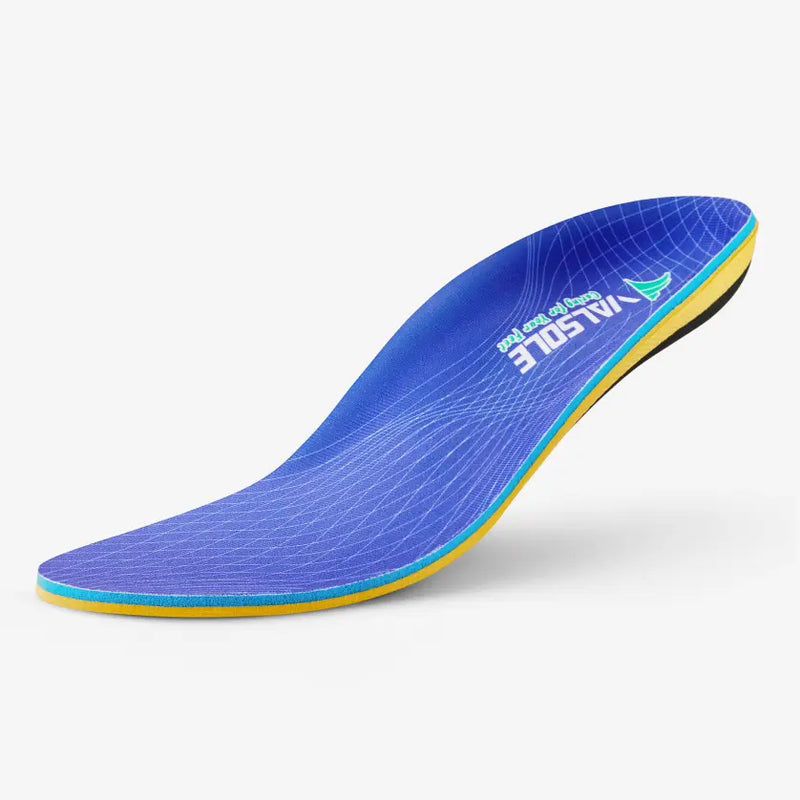




Strong fit
Heavy Duty Insole
Your pattern points to high-load in-shoe support.


More shoppers are comparing recovery footwear before buying because the category has matured past a single soft-comfort promise. Buyers now see clogs, slides, flips, sandals, and supportive house-footwear options all competing for the same recovery-intent search. That changes the question people ask before purchase. Instead of stopping at \"Which one feels soft?\" they are increasingly comparing which option actually matches post-work decompression, hard-floor home use, indoor walking, and how much support they still want under the heel and arch.
That shift matters because category growth usually makes comparison behavior stronger before it improves conversion quality.

In practice, most buyers are no longer just comparing brands. They are comparing softness against stability, open designs against more supportive clogs, and quick-transition recovery against longer at-home wear. Someone choosing after workouts may still want something very easy to slip on, while someone recovering after warehouse shifts or long standing may care much more about whether the shoe feels too unstable on hard floors. The result is a more educated purchase pattern where brand name is only one part of the decision.
This is why the strongest recovery-footwear pages now need to answer category fit, not just product hype.
When comparison behavior rises, buyers usually need a cleaner decision framework before they need more persuasive language. That is exactly why compare pages become more valuable at this stage of demand. A shopper who is unsure about OOFOS alternatives or trying to decide between VALSOLE and OOFOS is usually not asking for another vague comfort promise. They want to know which path makes more sense for hard floors, home recovery, slide-style use, clog-style use, or all-day decompression. Compare content reduces that uncertainty faster than broad product adjectives.
In other words, this is the kind of trend that makes structured compare pages more important, not less.
The best next move is to compare by use case first. If the main need is supportive at-home recovery on hard floors, a recovery clog may make more sense than a very soft slide-first option. If the goal is quick transition after activity, an open recovery path may still fit better. And if the real blocker is brand confusion, the buyer should move into a direct comparison page instead of pretending all recovery footwear solves the same job. That approach usually leads to a smarter first purchase and fewer mismatched comfort expectations.
The category is getting broader, so the buying path has to get sharper.
For the best next step, start with the OOFOS alternative guide, move into the VALSOLE vs OOFOS comparison if the brand decision is the real blocker, and review the Recovery Footwear Guide if you still need a wider category framework before choosing a product path.
Keep reading with symptom-based guides and compare support options for your pain profile.


Loading size guide…