





Standing All Day? How the Right Insoles Can Prevent Long-Term Damage

If your feet, heels, or arches hurt after long hours on hard floors, the right insole can make standing all day far more manageable. The biggest gains usually come from stable support, controlled cushioning, and a fit that still feels reliable by the end of the shift.
Standing All Day: How the Right Insoles Can Prevent Long-Term Damage
If your feet, heels, or arches hurt after long hours on hard floors, the right insole can make standing all day far more manageable. The best insoles for standing all day are usually not the softest pair you can find. For most people, the real improvement comes from stable arch support, enough heel cushioning to reduce repeated impact, and a shape that still feels supportive by the end of a full shift.
If your shoes feel fine in the morning but leave you with heel pain, arch fatigue, or calf tightness by evening, the problem often is not just lack of cushioning. It is more often poor support retention, poor pressure distribution, or a mismatch between the insole and the shoe it sits in.
What Are the Best Insoles for Standing All Day?
The best insoles for standing all day help you stay comfortable at hour eight, not just minute eight. That means they should do three things well:
- support the arch without feeling harsh
- reduce repeated heel stress on hard floors
- maintain shape instead of flattening too quickly
Many people make the mistake of choosing a very soft insole because it feels comfortable at first touch. But if it compresses too quickly, your foot loses support as the day goes on. That is when heel soreness, tired arches, and heavy legs start building up.
Why Standing All Day Causes Foot Pain Even in Comfortable Shoes
Standing all day loads the feet differently than walking. You absorb thousands of small pressure shifts through the heel, arch, and forefoot, often on concrete, tile, or other hard surfaces that give very little back.
Even shoes that feel padded at first can become a problem if:
- the foot slowly collapses inward
- the heel starts drifting out of position
- the shoe midsole loses control by midday
- the insole flattens faster than expected
That is why many people notice the same pattern over and over: they start the day feeling fine, then end the shift with heel pain, arch fatigue, and lower-leg tension.
What to Look for in Insoles for Standing on Hard Floors
When choosing insoles for standing all day, start with structure before softness. A good insole should support the arch enough to reduce fatigue, cup the heel enough to improve stability, and fit the shoe without crowding the toes.
Here is what matters most:
-
Stable arch support
Helps reduce late-day arch collapse and fatigue -
Heel control
Improves pressure distribution and stance stability -
Shape retention
Keeps support consistent through long wear -
Correct fit inside the shoe
Prevents toe crowding, rubbing, and new pressure points
If one of these is missing, the insole may feel decent at first but still fail during long shifts.
Choose by Work Scenario, Not by Marketing Claims
The best insole depends on your actual day. Someone standing on concrete in work shoes often needs more structure than someone working retail with short walking breaks.
Here is a simple way to think about it:
-
Standing on concrete all day
Best starting profile: firm support plus controlled heel cushioning
Main goal: reduce repeated impact without losing stability -
Retail or service shifts with mixed walking
Best starting profile: moderate support with good shape retention
Main goal: balance comfort with movement efficiency -
Higher body load or long static standing
Best starting profile: stronger support profile
Main goal: maintain arch and heel control late in the day
A lot of people try to solve these situations with more softness alone, but softness without structure often leads to more fatigue later in the day.
Best Insoles for Walking and Standing All Day
If you split your day between standing and walking, you need a slightly different balance. The best insoles for walking and standing all day usually combine moderate cushioning with enough structure to stay stable while moving.
In this situation, watch for two mistakes:
- an overly rigid insole that feels awkward during walking
- an overly soft insole that feels good at first but loses support after a few hours
If your day includes both walking and standing, the best result usually comes from a support level that feels controlled without forcing your stride.
How to Tell If Your Insoles Are Actually Working
Use the same shoes, similar socks, and a similar shift pattern for a week so your comparison is fair. Then track three things at the end of each day:
- heel pain intensity
- when arch fatigue starts
- whether your calves or lower back feel less overloaded
Improvement should look like a more stable pattern across several days, not just one unusually comfortable shift. If the pain simply moves from the heel to the arch or forefoot, the setup still needs adjustment.
A simple break-in plan works well:
- Wear the new insoles for 2 to 4 hours on day one.
- Increase use gradually over 5 to 7 days.
- Watch for new hot spots or pressure points.
- If new pain appears, reassess support level or shoe fit.
Common Mistakes When Buying Shoe Insoles for Standing All Day
The most common mistakes are:
- choosing maximum softness instead of lasting support
- ignoring whether the shoe itself is stable enough
- buying a strong arch profile without checking shoe depth
- expecting one insole to fix a worn-out shoe
If the outsole is worn down or the heel structure is unstable, even a better insole may only partly solve the problem. The best results usually come from improving the full system: shoe, fit, and insole together.
Final Takeaway
If you are looking for the best insoles for standing all day, focus on support, stability, and long-shift consistency rather than first-touch softness. The right insole should still feel helpful after hours of standing, not just in the first few minutes.
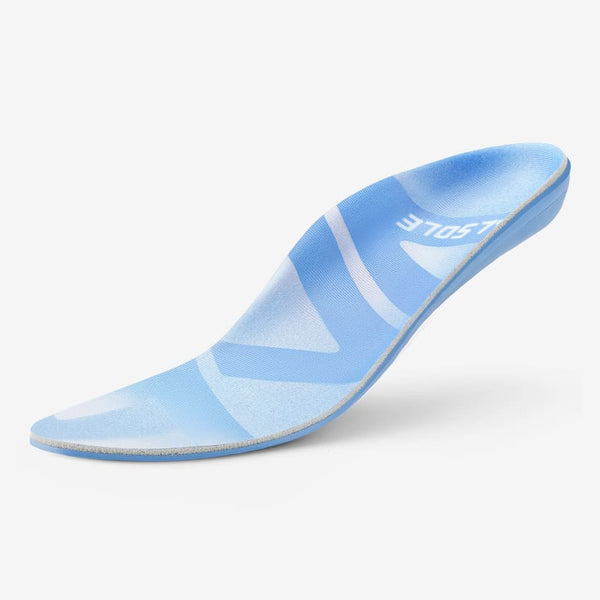
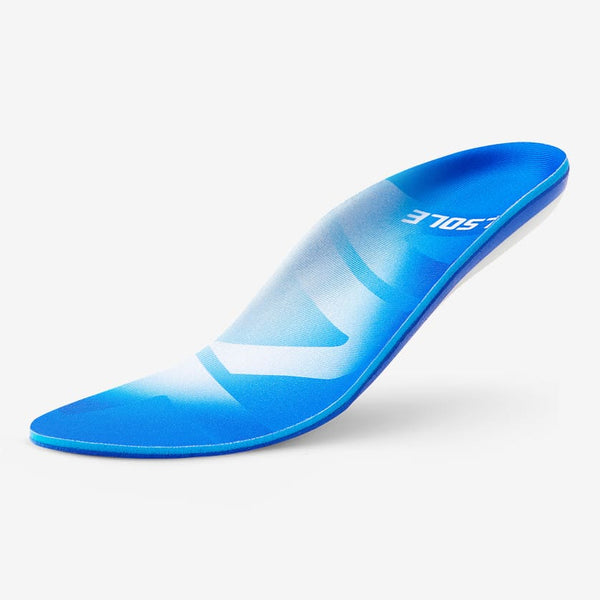
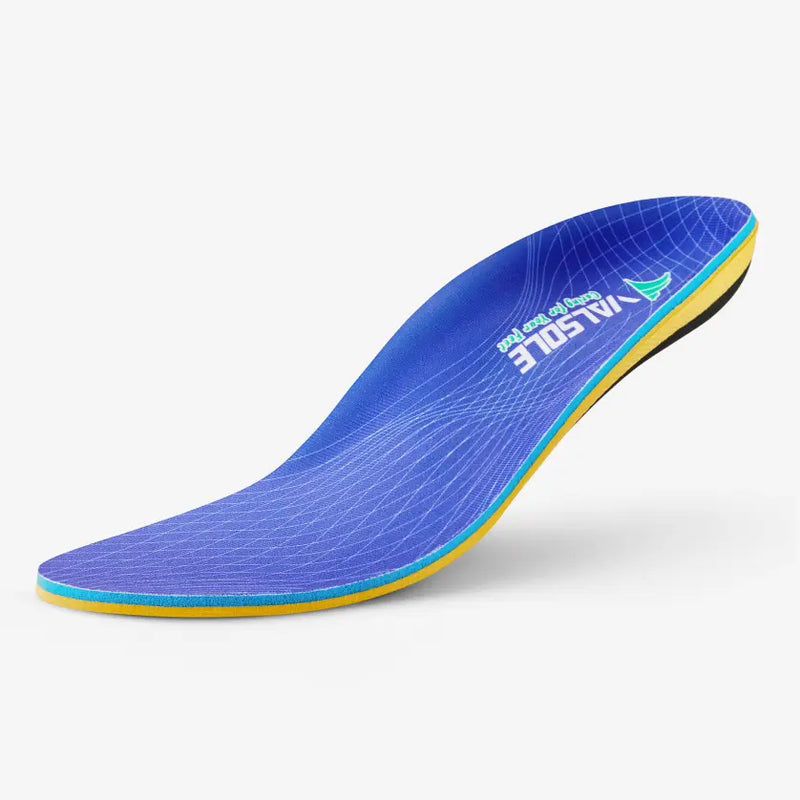
For next steps, compare support strength with the Heavy Duty Insole, review a lower-profile daily option in the Stable Support Insole, use the Size Guide to avoid fit problems, and check the FAQ if you are unsure how much support your shoes can handle.
Pain relief guides
Keep reading with symptom-based guides and compare support options for your pain profile.


