
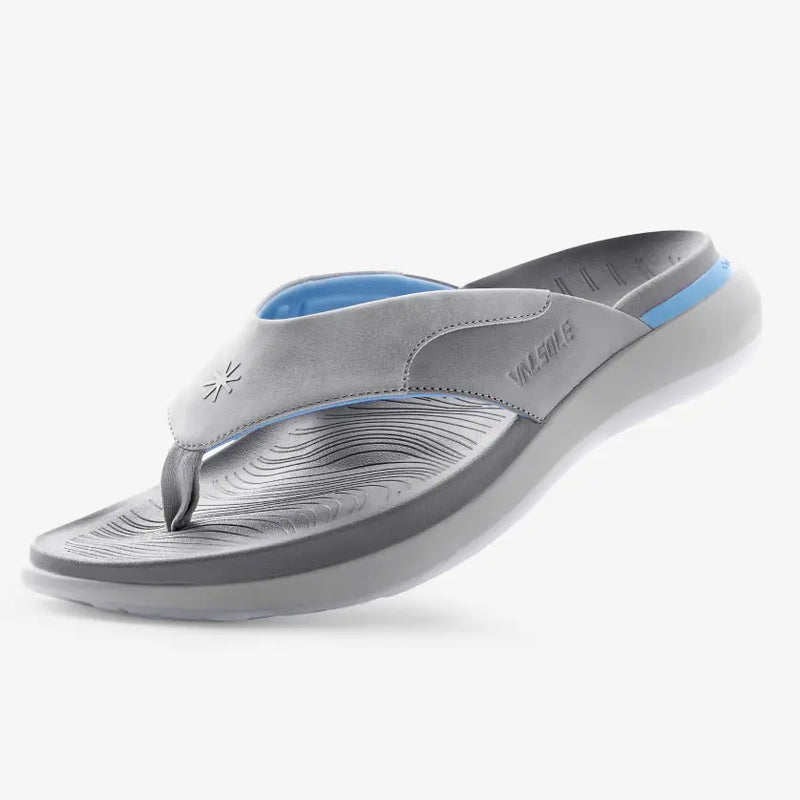
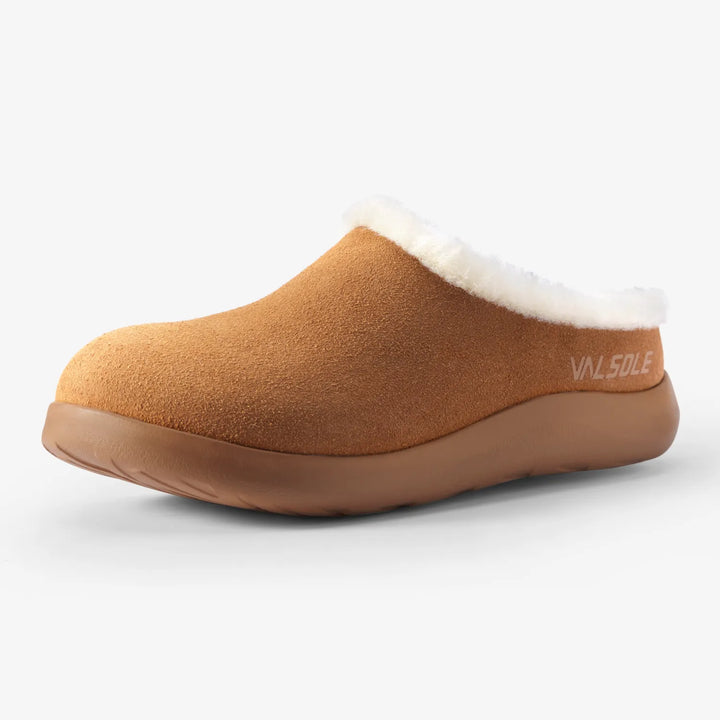
Hearth Clog
The Hearth Clog provides structured everyday stability and thermal comfort for users 220 lbs+,...
$69.99$89.99
View product


For wide feet with high instep, pain often comes from vertical compression at midfoot rather than simple width shortage. Many people size up repeatedly, then lose heel control and still feel pressure on top of the foot. Better outcomes come from managing volume distribution and lacing zones first, then selecting support that stabilizes without overfilling the shoe interior.
Fit quality depends on pressure distribution across the whole foot, not only forefoot width.
Use a quick diagnostic pass to identify whether the bottleneck is lacing, volume, or support stack height.
| Symptom | Likely cause | First adjustment | Success marker |
|---|---|---|---|
| Top-of-foot pressure in 30-60 min | Instep compression | Skip-eyelet or zone lacing | No numbness by mid-shift |
| Roomy toe box but unstable heel | Over-sizing for volume | Correct length + volume-aware upper | Better rearfoot control |
| Pressure worsens after adding insole | Stack height conflict | Lower-profile support geometry | Stable support without instep hotspot |
With high instep anatomy, conventional evenly tight lacing usually concentrates force where soft tissue tolerance is lowest. A zone-based pattern can relieve dorsal pressure while preserving heel lock. Treat lacing as an active fit tool rather than a one-time setup. Recalibrate after warm-up because swelling and material stretch alter pressure balance.
If pressure returns daily at the same point, map eyelets and adjust one zone at a time.
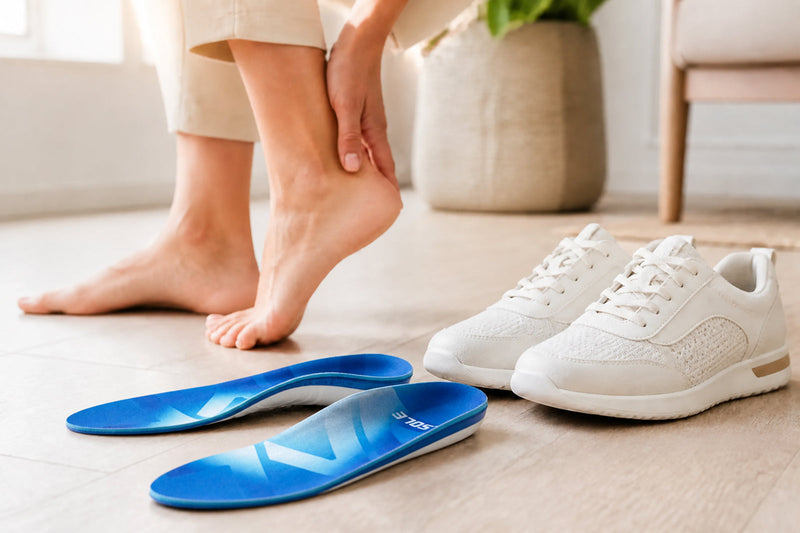
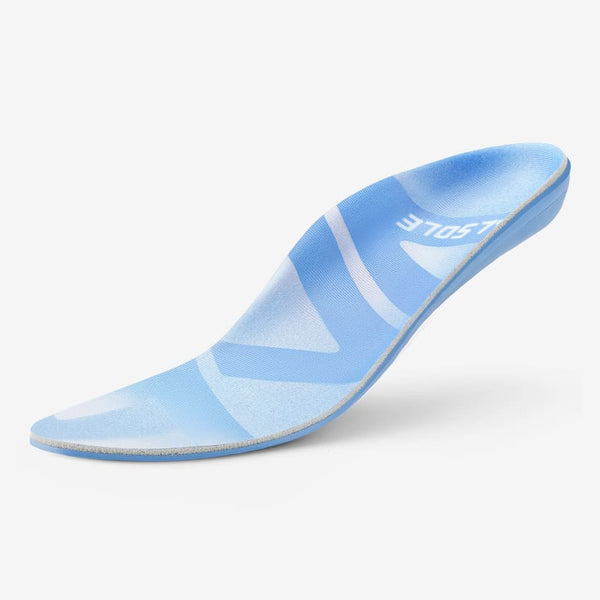
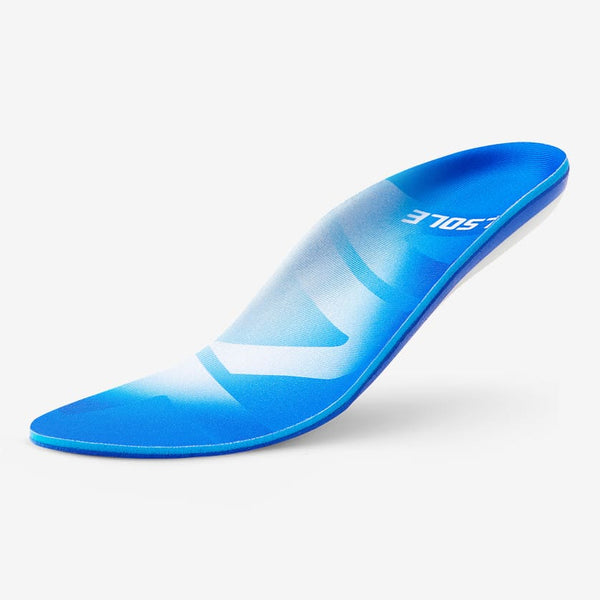
Support can stabilize a wide foot effectively, but excessive stack height can crowd instep volume and trigger pressure. Prioritize structure efficiency over bulk: enough guidance to reduce collapse, minimal unnecessary thickness in low-tolerance zones. This balance preserves both control and circulation during long standing windows.
When testing a new support profile, keep shoe and lacing constant to isolate the support variable.
Track daily midfoot pressure score, heel stability score, and end-of-day swelling sensation. Keep the setup if pressure trend declines while stability remains stable or improves. If pressure declines but stability collapses, tighten rearfoot strategy before changing support. If pressure does not decline at all, revisit volume and upper geometry first.
A short structured calibration period prevents endless size switching without real fit progress.
For next steps, diagnose your baseline in the Wide feet comfort guide, compare supportive daily options with Hearth Clog, verify sizing constraints in the Size guide, and review broader shape options in All products.
Shop the products most relevant to the support path discussed in this article.

Keep reading with symptom-based guides and compare support options for your pain profile.


Loading size guide…