





Quick Answer: A Specialized Prototype Is Not the Same as an Everyday Insole
A July 2026 study tested customized, 3D-printed foot orthoses with sensory stimulation knobs in 46 community-dwelling adults over 65. The researchers used computerized posturography to compare prototype conditions. The work is useful evidence about a narrow research design, not a result that transfers to ordinary retail inserts.
What Happened
The study compared a flat foot-orthosis control with customized prototype conditions. It focused on postural-control assessments and sensory input from the design, rather than an all-purpose consumer insole comparison.
Customization was part of the experiment: the orthoses were 3D printed and the stimulation features were tailored. That detail is central to interpreting the result, because it limits what can be inferred about products without the same construction or testing process.
Why It Matters Now
“Customized” can describe many different things, from trimming an insert to a shoe through to a purpose-built research prototype. This study helps separate that vocabulary. Manufacturing method, feature design, wearer group and measured outcome all need to be visible before a claim is meaningful.
Who It Affects
The evidence directly concerns adults over 65 participating in a laboratory assessment. It may interest readers following 3D-printing and footwear research, but it does not provide a retail selection formula for younger users, workers or athletes.
Consumer Decision Context
- Ask what was actually customized: shape, material, sensory feature and fitting process are not interchangeable.
- Check the research setting: laboratory measures answer a narrower question than all-day use.
- Do not transfer prototype claims: another product needs its own evidence.
- Prioritize fit: secure placement and adequate shoe space remain basic checks.
VALSOLE Support Path
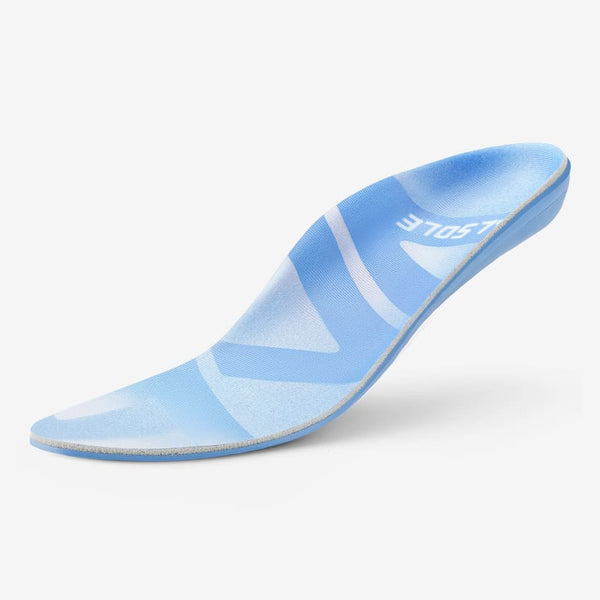
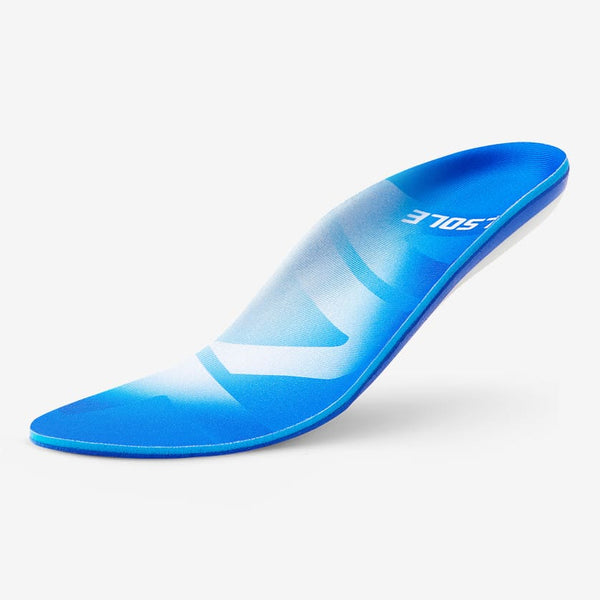
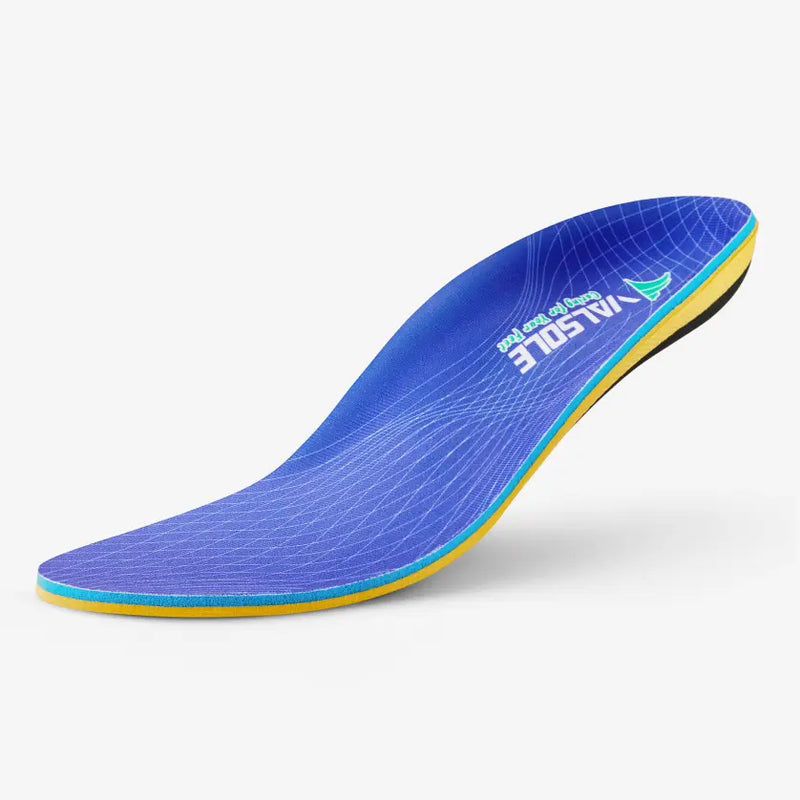
The Insoles Complete Guide explains fit and routine comparisons without promising a personalized technical outcome. Readers can review current options in the VALSOLE Insoles collection and use Quick Match to identify a starting route.
What This Means for Readers
Innovation research can be informative without becoming a purchase claim. The study does not test or endorse VALSOLE products, establish a general safety result or remove the need to assess an individual's footwear fit.
Sources
- Somatosensory and Motor Research / PubMed. 3D-printed foot orthoses with customized somatosensory stimulation knobs enhance balance and stability in older adults. July 2026.
- Journal record. DOI: 10.1080/10400435.2026.2693507.


