





Quick Answer: The Trial Measured Use, Not a Retail Product Ranking
An August 2026 randomized trial studied footwear adherence in 126 people with diabetes, peripheral neuropathy, ulcer history and custom-made footwear. It measured how much participants used a specialist, multi-component footwear program. That is a specific adherence question, not a result for ordinary retail insoles.
What Happened
The DIASSIST trial compared usual specialist care with a program combining pressure-optimized custom footwear, indoor-specific custom footwear, structured education, motivational interviewing and personalized feedback. Researchers measured footwear adherence at six and 12 months.
Because several components changed together, the study does not isolate a single material, insert or shoe feature as the explanation for its results.
Why It Matters Now
“Footwear works” is often used as a broad headline. This trial instead makes the wearing routine itself visible. In research, use, fitting, education and follow-up can all be part of the intervention. That precision helps prevent a specialist finding from becoming a casual product claim.
Who It Affects
The direct evidence concerns a high-risk clinical population using prescribed custom-made footwear. It does not provide advice for people selecting a standard insole for daily walking, work or leisure.
Consumer Decision Context
- Check what was studied: custom footwear and a multi-part program are not the same as a retail insert.
- Keep fit practical: an insole should lie flat and leave sufficient space inside the intended shoe.
- Match the routine: a product used for a short try-on may feel different during a full day.
- Use specialist care when needed: a high-risk medical situation requires individualized guidance.
VALSOLE Support Path
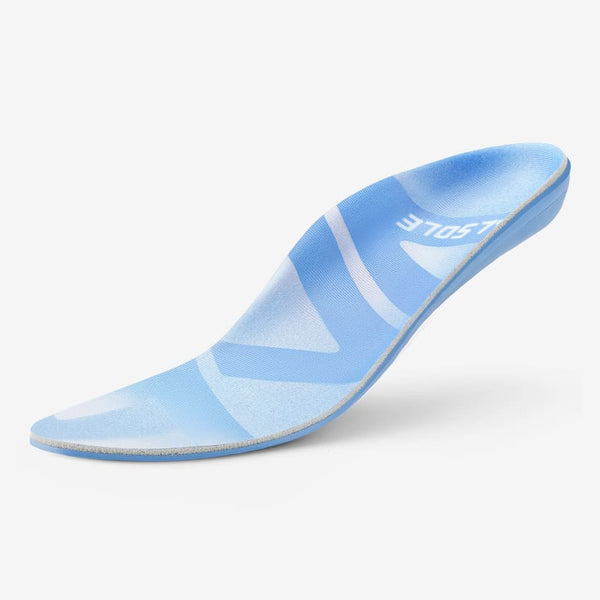
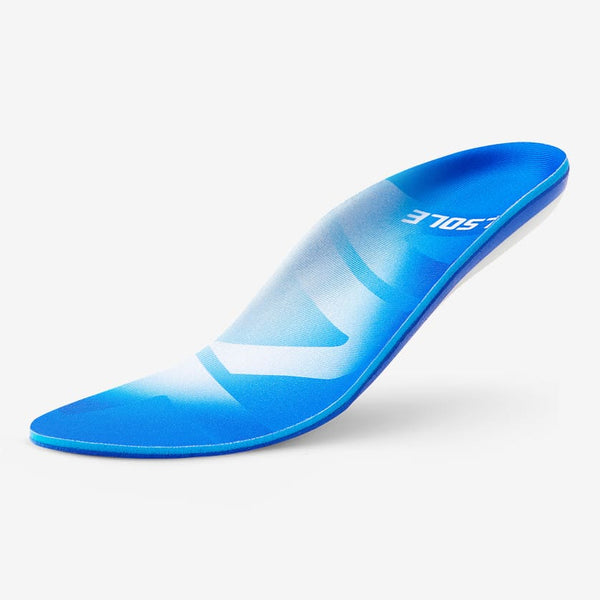
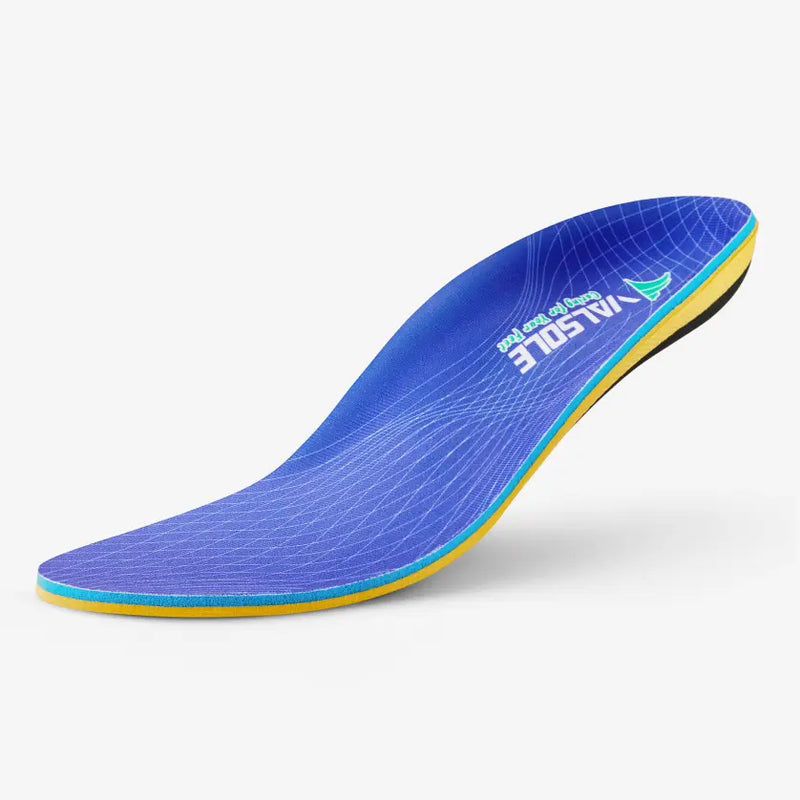
For general shopping decisions, the Insoles Complete Guide is the information owner. Readers can view the VALSOLE Insoles collection and use Quick Match to narrow a starting point by shoe and routine.
What This Means for Readers
Footwear research is more useful when its setting is visible. This study does not evaluate or endorse VALSOLE products, and its specialist results should not be transferred to ordinary consumer purchases.
Sources
- Diabetes Care / PubMed. An Integrated Personalized Multimodal Intervention Improves Adherence to Wearing Custom-Made Footwear in People With Diabetes at High Foot Ulcer Risk. August 1, 2026.
- Journal record. DOI: 10.2337/dc25-3113.


