

Answer block: why are condition pages moving earlier?
Condition pages are moving earlier in the buying path because shoppers want to identify the right support category before they compare products. A user searching plantar fasciitis, flat feet, heel pain, or metatarsalgia usually needs a decision route first: insoles, recovery footwear, sandal support, or a combination.
The user pain behind earlier condition research
Most shoppers reach condition content after repeated frustration. They may have tried softer shoes, generic inserts, or flat sandals, then realized the symptom pattern keeps returning. That makes condition pages more valuable when they translate pain language into a support decision instead of giving only a definition.
Decision framework: what users want from condition content
Strong condition content should answer three questions quickly: what support type usually fits this symptom pattern, what product category to compare first, and when a recovery layer makes sense. Core routes continue to include Plantar Fasciitis Relief, Flat Feet Support, Metatarsalgia Support Guide, and the broader Foot Pain Relief Guide.
Where this should route inside VALSOLE
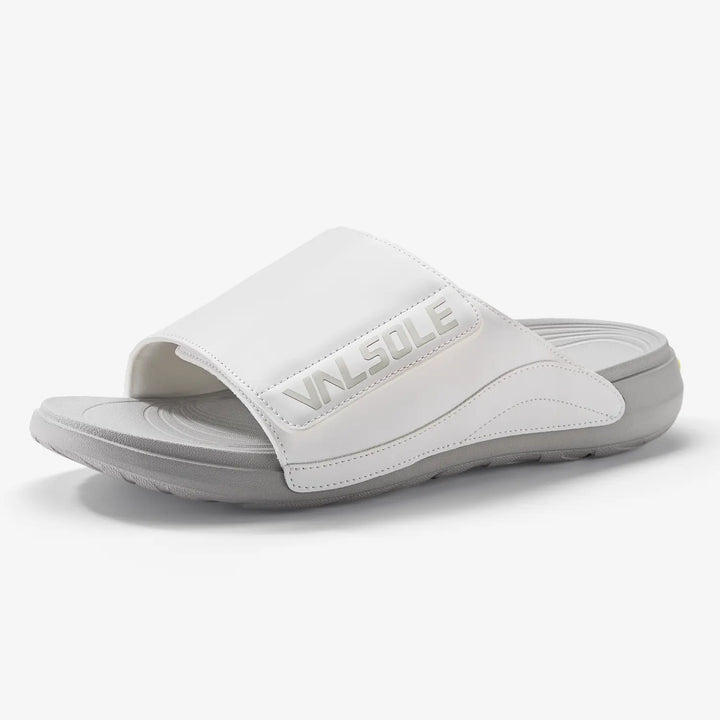
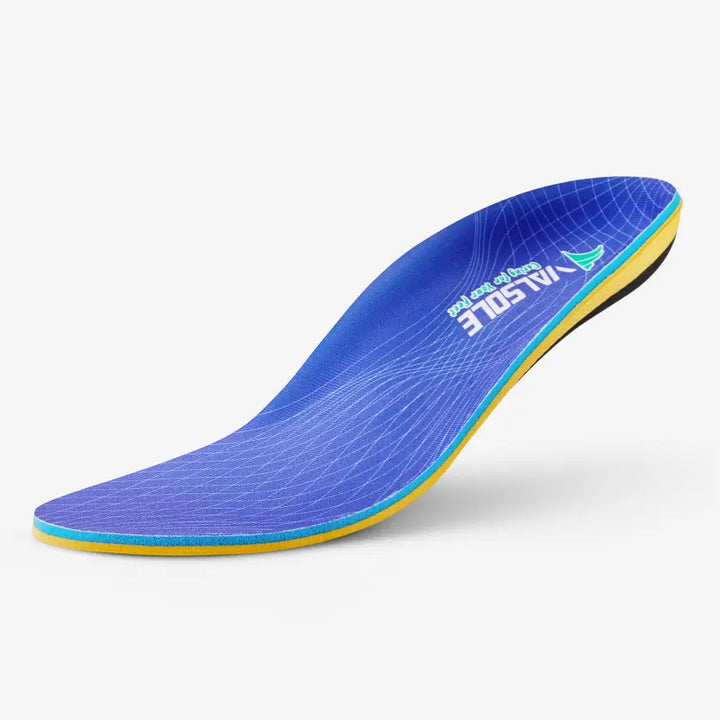
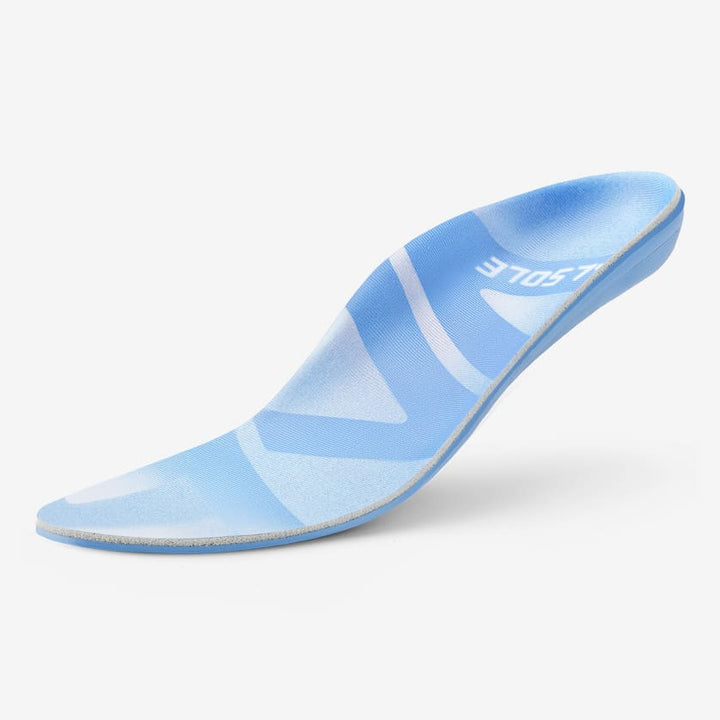
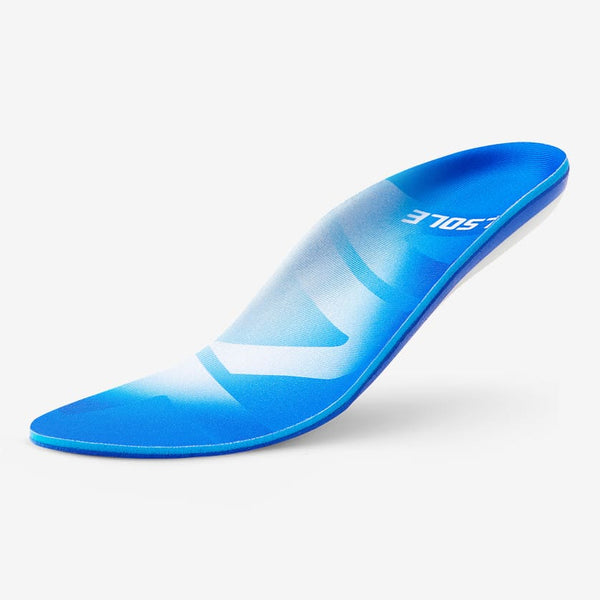
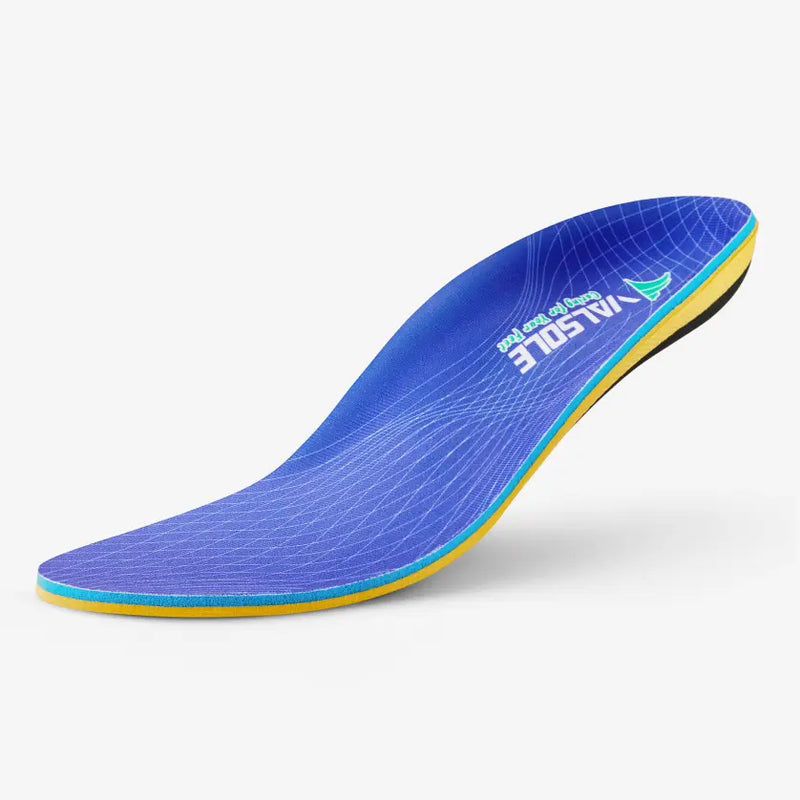
If pain happens mostly during the day, users should compare in-shoe support such as Heavy Duty Insoles. If soreness continues after work or on home floors, Recovery Slide becomes the cleaner next product path. For shoppers still uncertain, Quick Match should remain the fastest routing layer.
Commercial takeaway
Condition pages should act as decision hubs, not isolated education pages. Clear early routing can improve downstream product exploration quality and help organic visitors move from symptoms to high-fit product paths faster.