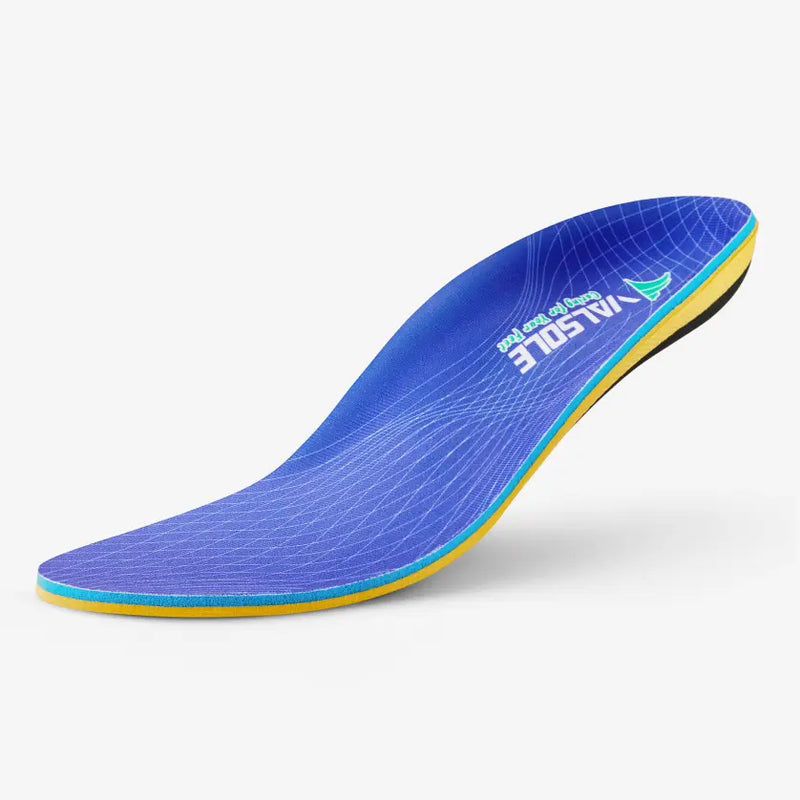


Answer block: what is changing in flat-foot support searches?
Flat-foot support searches are moving from broad definitions toward practical fit questions: how much arch support is enough, whether the insole fits wider shoes, how to avoid midfoot pressure, and whether the support can handle long days on hard floors. The buyer is not only asking what flat feet are; the buyer is asking what to do next.
What happened
Consumer orthotic testing, clinical heel-pain guidance, and forum discussions all point to the same practical need: people with flat feet or overpronation want support that matches their actual shoes and walking load. A generic arch-support answer is often not enough because too much pressure can feel uncomfortable, while too little structure may not change the daily fatigue pattern.
Why it matters now
Flat-foot content is commercially valuable because it sits close to the product decision. Shoppers may arrive through pain language, but they convert when the page answers fit and use-case questions. This is especially important for work shoes, wide feet, high insteps, and heavier users who need stability without toe squeeze or midfoot irritation.
Who it affects
This affects shoppers with flexible flat feet, overpronation, plantar fasciitis history, tired arches, and workday foot fatigue. It also affects users who have tried one pair of insoles and concluded that all arch support feels uncomfortable, when the real issue may have been arch height, shoe volume, or break-in time.
Decision framework: arch height, width, load
Readers should compare three questions first. Does the support match the arch without creating sharp pressure? Does the insole fit the shoe without crowding the toes? Does the product match the daily load, such as long shifts, walking commutes, or home hard floors? A useful flat-foot page should help readers choose by use case, not only by diagnosis.
What this means for readers
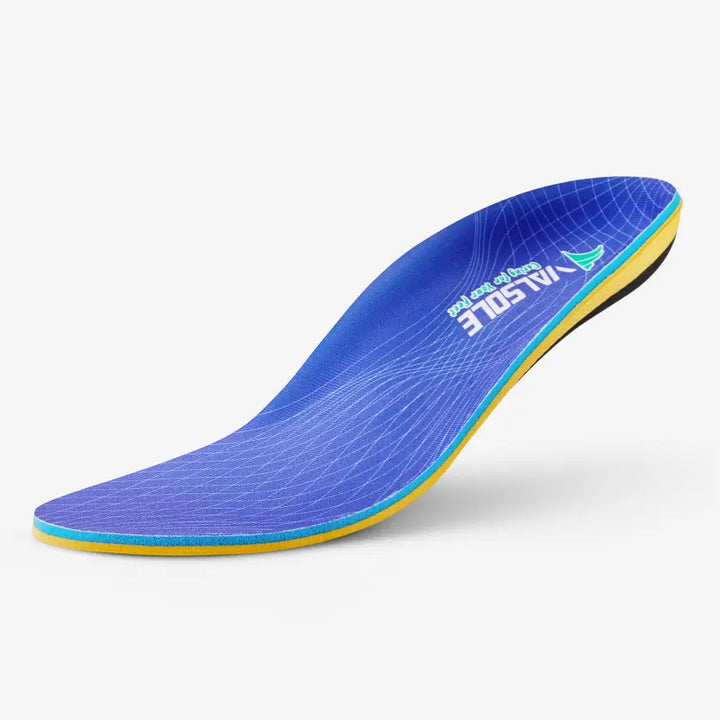
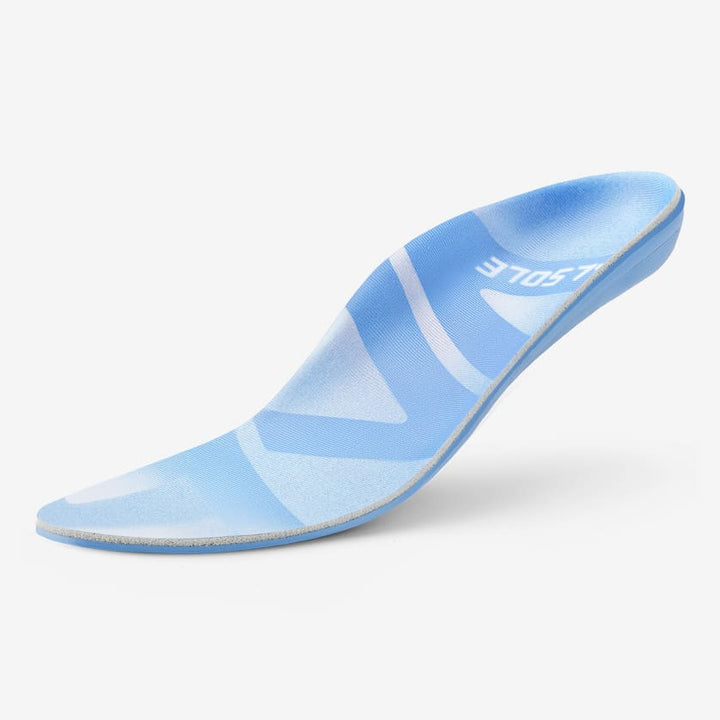
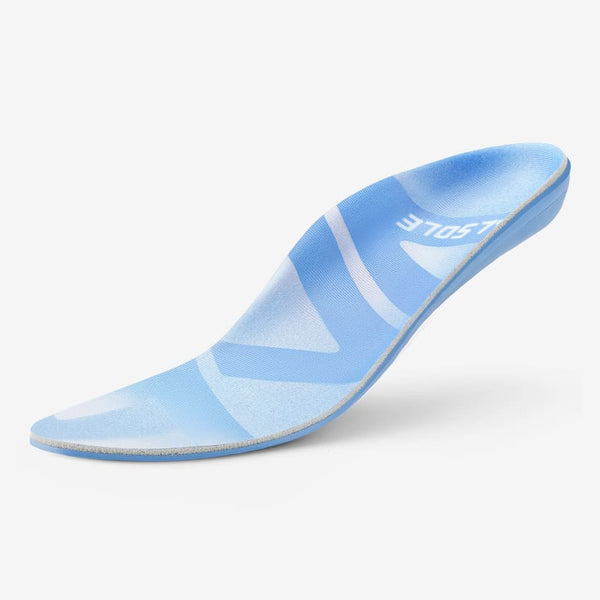
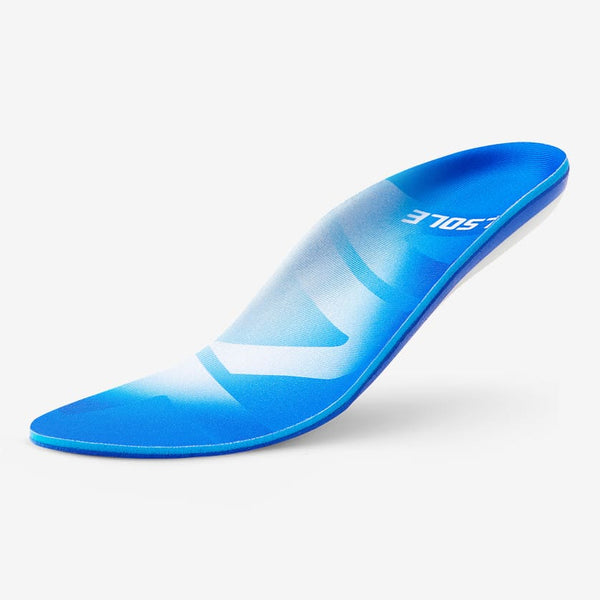
VALSOLE should connect this topic to Flat Feet Support, Overpronation Support Guide, and Insoles Complete Guide. Product routing should prioritize Heavy Duty Insoles for higher-load shoes, with Quick Match available for shoppers who need a faster path.