

Answer block: why do hard floors matter for hybrid workers?
Hard floors matter because they reduce the natural cushioning under each step. Hybrid workers may move between tile, hardwood, polished concrete, and thin office carpet while wearing socks, flat slippers, or unsupportive shoes. Over time, that repeated load can turn indoor comfort into arch soreness, heel fatigue, or lower-leg strain.
What happened
Medical and podiatry sources have continued to call attention to a home-work pattern that became more visible after remote work expanded: people who once wore supportive shoes during the day now spend many working hours barefoot or in soft house footwear. At the same time, return-to-office routines often add polished concrete, long corridors, parking lots, and standing meetings back into the weekly load.
Why it matters now
The issue is no longer only a work-from-home story. It is a hybrid-work story. A reader may stand barefoot in the kitchen during morning calls, commute in lightweight shoes, and then walk across hard office surfaces for the rest of the day. Support decisions now need to cover both environments instead of treating indoor footwear as separate from work footwear.
Who it affects
This matters most for people with recurring heel pain, flat feet, plantar fasciitis history, long standing blocks, or home offices built on hard flooring. It also affects professionals who use standing desks without changing the support under their feet.
Decision framework: home floor, office floor, or both?
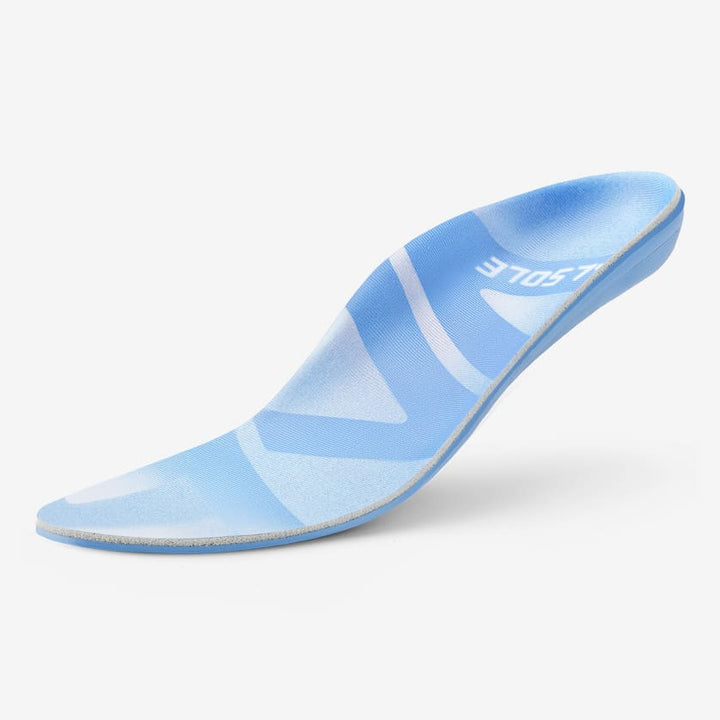
If pain starts at home, the first fix is usually a supportive indoor layer that adds arch contour and shock absorption. If pain starts after office days, readers should audit work shoes and in-shoe support. If both settings trigger symptoms, the best route is a two-layer strategy: structured work support during the day and recovery footwear after the shift.
What this means for readers
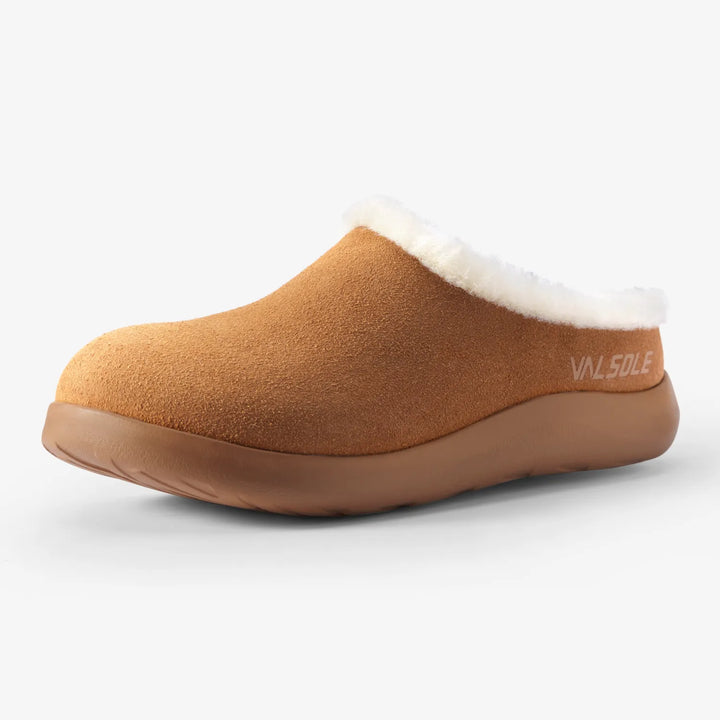
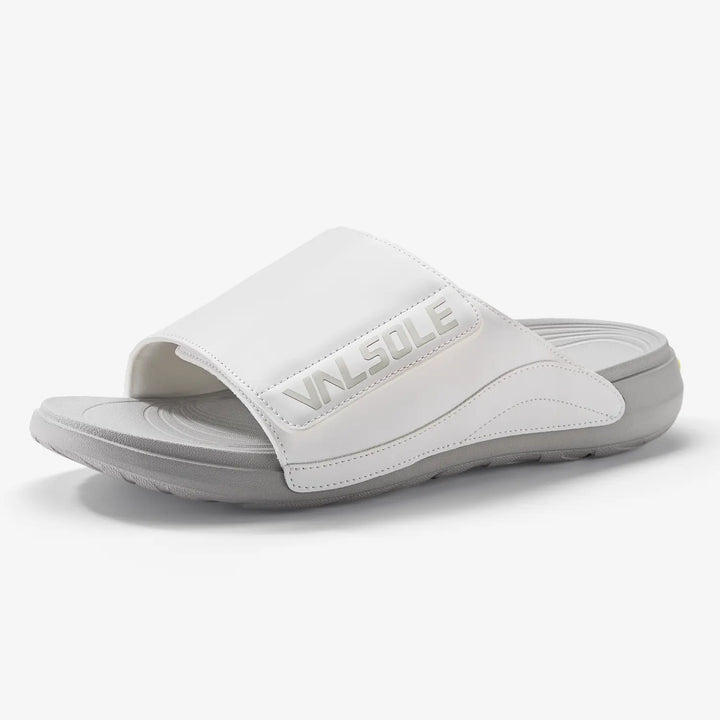
Hybrid workers can start with the Standing All Day Support Guide to understand load patterns, then use Walking Support Guide for commute and office movement. For home hard floors, Recovery Slide gives a support layer that is easier to keep by the desk. For professional-looking support, Hearth Clog is the commercial bridge.