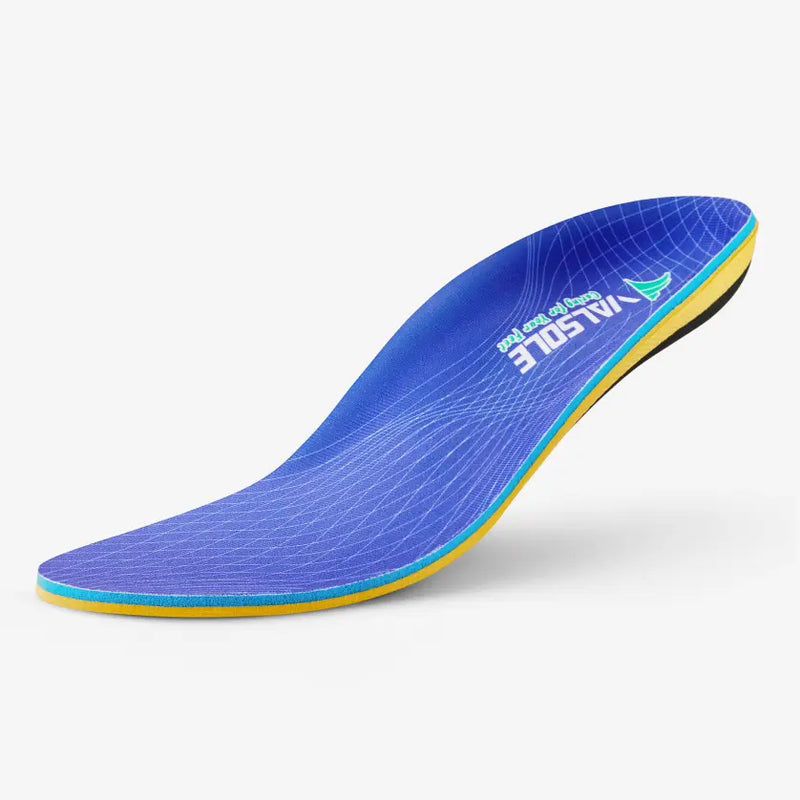


Answer block: what are OTC orthotic buyers comparing now?
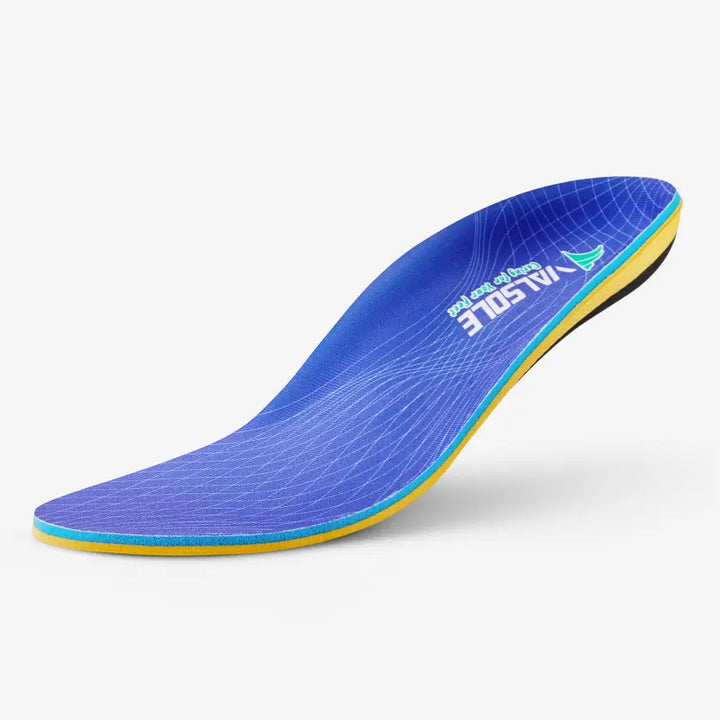
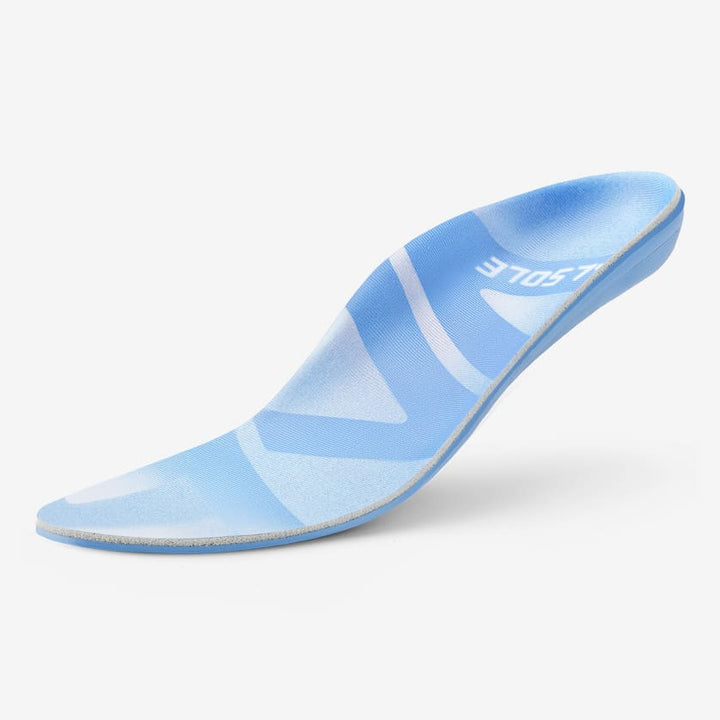
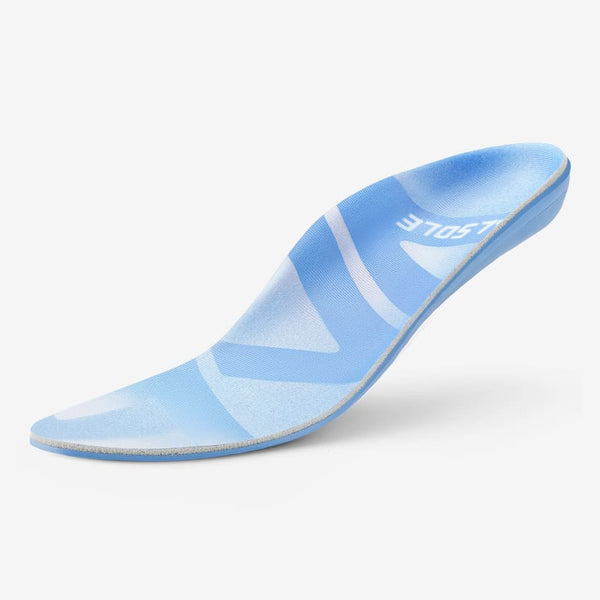
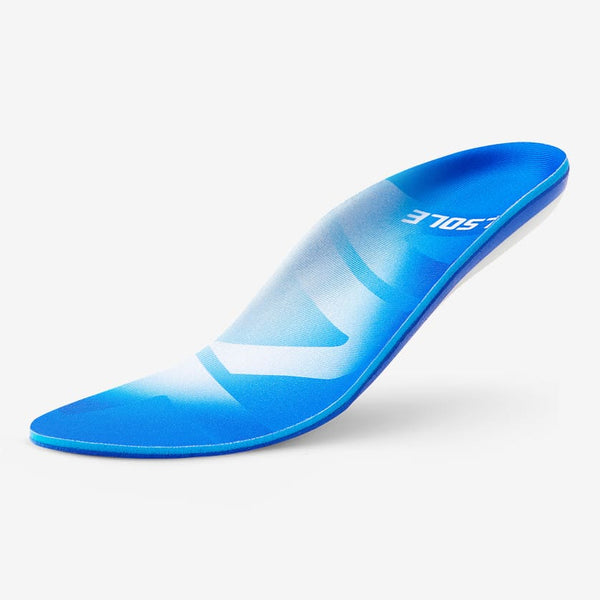
OTC orthotic buyers are comparing practical fit questions before condition labels. The most useful decision points are arch height, shoe volume, heel cushioning, pressure distribution, and whether the support still feels stable during a full day. A shopper may search by plantar fasciitis or flat feet, but the purchase decision often comes down to fit and daily use.
What happened
Recent consumer orthotic testing and worker foot-pain reporting have made over-the-counter support a more visible first comparison step. The conversation is shifting from whether insoles exist to which type of support actually fits a shopper's shoe, arch shape, and standing or walking schedule.
Why it matters now
This matters because generic condition-based shopping can send readers to the wrong support profile. A rigid insole may be too much for one shoe, while a soft insert may flatten too quickly for another user's workday. Practical buying guidance helps shoppers avoid framing every heel, arch, or hard-floor complaint as the same problem.
Who it affects
This affects shoppers with flat feet, higher arches, heel soreness, workday fatigue, wide shoes, and repeated hard-floor exposure. It also affects people who have tried one insole and decided that orthotics do not work, when the issue may have been fit, arch height, break-in, or shoe compatibility.
Decision framework: match the insert to the day
Readers should compare the insole against the day they actually live in. Long standing may need firmer structure and durable cushioning. Mixed walking and errands may call for balanced daily support. Sensitive arch areas may need a more gradual support feel. The goal is not the strongest insole; it is the best match between foot, shoe, and routine.
What this means for readers
VALSOLE readers can start with the Insoles Complete Guide, then compare Heavy Duty Insoles for higher-load standing and Stable Support Insoles for balanced daily use. Shoppers unsure which route fits can use Quick Match before choosing a product page.