



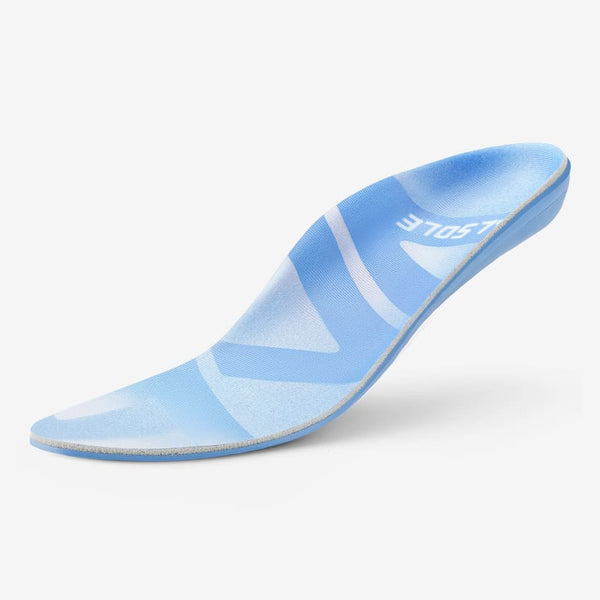
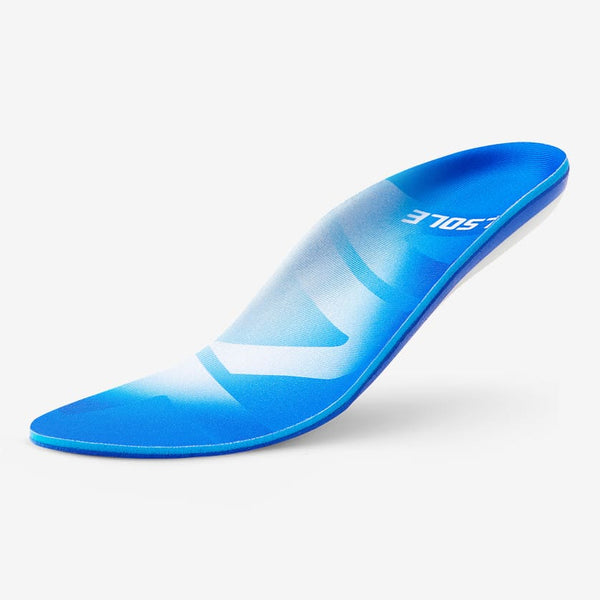
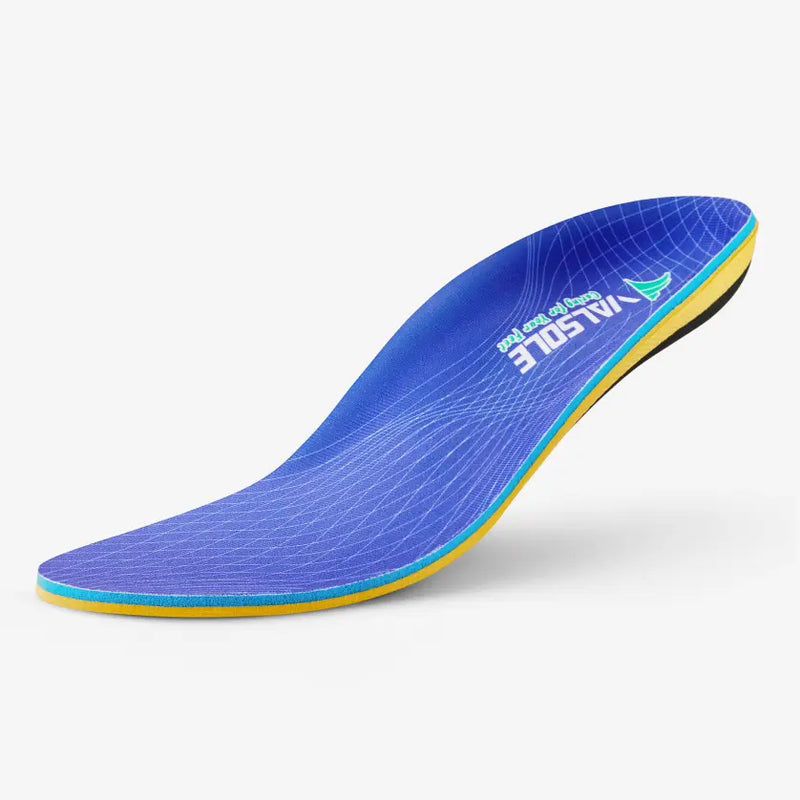


Why OTC orthotics are back in the consumer conversation
OTC orthotics are getting more consumer attention again because shoppers are looking for a support upgrade that feels practical, testable, and less expensive than jumping immediately into custom solutions. In many cases, people are not asking for a perfect medical answer on day one. They are asking for a clearer first move that can improve arch control, heel stability, and daily comfort inside shoes they already wear. That shift makes OTC support easier to reconsider, especially when standing time, walking volume, and hard-floor fatigue all keep increasing together.
The renewed attention is not only about price. It is also about decision speed. Shoppers want to know whether stronger support can change the pattern before they commit to something more specialized or more expensive.
What consumers are trying to solve first
Most buyers who revisit OTC orthotics are trying to solve a familiar set of daily problems: shoes that still fit but feel unsupportive, heel or arch discomfort that rises late in the day, and fatigue patterns that make work, errands, or recovery time less comfortable than they used to be. The buying mindset is usually not highly technical. People want to know whether a retail support path can improve control enough to make daily movement easier without forcing a total routine change.
That is why OTC attention often rises in the same periods when interest in plantar support, standing-all-day comfort, and footwear fit guidance also starts climbing.
Why this matters for support brands right now
This matters because shopper attention is moving toward practical comparison, not just broad comfort claims. Brands that can explain where OTC orthotics fit, who they help first, and how to choose between stronger structure, balanced support, and plantar-focused relief have a better chance of winning that demand. The consumer question is no longer just \"Do orthotics work?\" It is increasingly \"What is the smartest first support path for my shoes, my load pattern, and my pain timing?\"
That makes educational pages and insole comparison logic more important than generic comfort language alone.
What shoppers should compare before buying
Before buying, shoppers should compare how much structure they really need, whether the current shoes still have enough room for support, and when symptoms start to show up. If the real issue appears after longer standing or walking blocks, a stronger OTC support path may still be the smartest first move. If the shoe itself is collapsing, too soft, or too narrow, the answer may involve footwear and fit rather than the insole category alone.
The best decisions usually come from matching the support profile to the job the foot is doing instead of assuming every OTC option feels the same.
Related resources
For the best next step, start with the Insoles Complete Guide if you want a full OTC decision framework, compare symptom pattern in the Foot Pain Relief Guide, and review the insole collection if you are ready to compare real support paths now.


