

What changed
A recent Mayo Clinic explainer carried by Medical Xpress put a familiar sports-medicine message back on the table: overtraining and repetitive load often show up first in the feet and lower legs. The article flagged early-morning sole pain as a plantar fasciitis warning sign and pointed to shin pain, tendon irritation, calluses, and stress reactions as part of the same overuse picture.
That is not new science, but it is newly useful in the current buyer environment. A lot of readers are blending walking, gym sessions, shift work, and recovery days without a clear footwear rotation. When load increases faster than the body adapts, foot strain becomes part of the story very quickly.
Why it matters for recovery
The value of this warning is that it expands the recovery conversation. Recovery is not only about rest, massage, or cutting a workout short. It also includes what happens when you keep walking after training, what you wear at home, and whether your footwear gives tissues any relief after a high-load day.
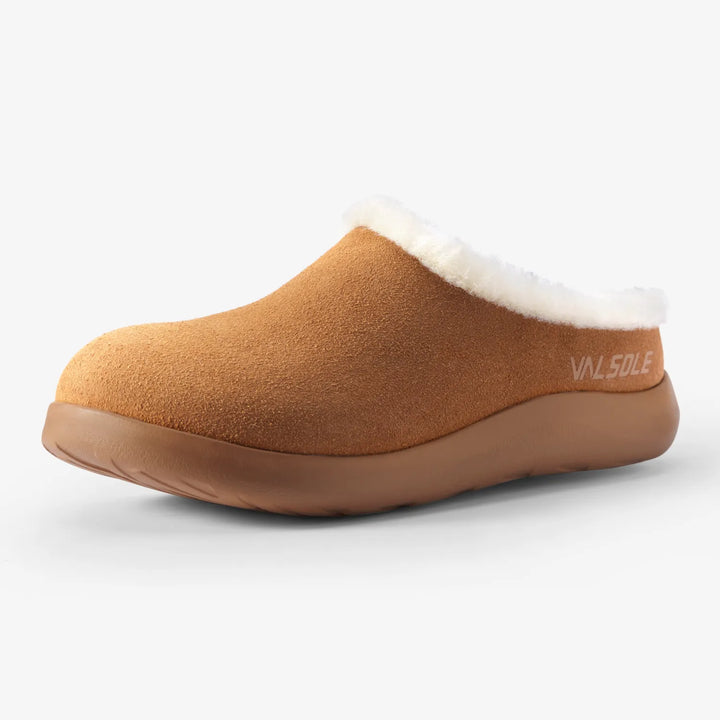
That is where recovery footwear moves from “nice extra” to practical support tool. If a reader is already dealing with early plantar soreness or end-of-day foot overload, a lower-load recovery option may help reduce how much stress carries into the next session or the next work shift.
How shoppers should apply it
The best shopper translation is not to panic at every ache. It is to watch patterns. Morning sole pain, increasing shin tenderness, or a foot that feels progressively more irritated after similar workloads are all useful signals that the current routine may need less repetition, better pacing, or a different support setup.
The Mayo advice also reinforces gradual progression and cross-training. From a footwear point of view, that suggests using different support tools for different load states instead of expecting one shoe to carry training, commuting, house wear, and recovery all by itself.
What it means for product paths
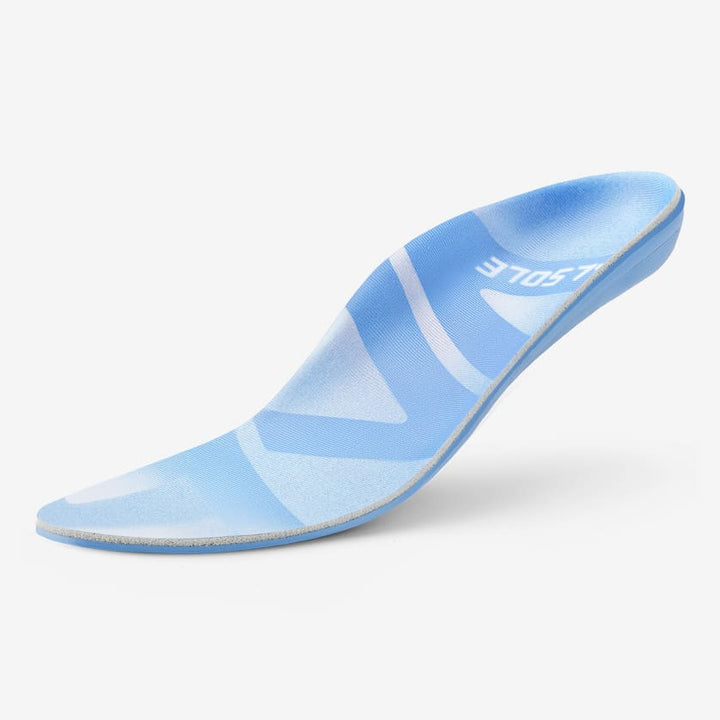
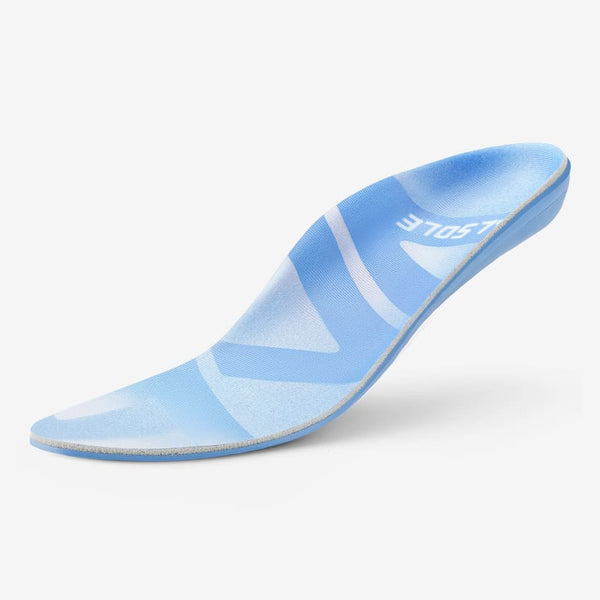
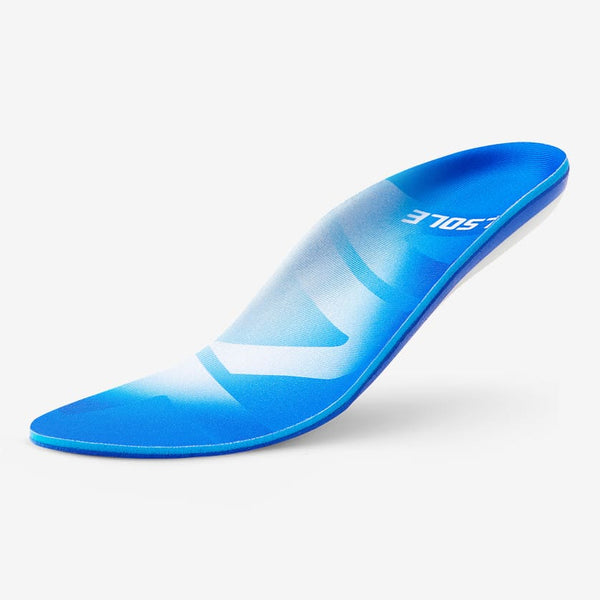
For VALSOLE readers, the buyer-angle takeaway is that prevention and recovery should connect. Structured support may help during active hours, while a recovery clog or supportive slipper may make more sense after training or at-home low-load time. The point is not maximal correction all day long. The point is smarter load management.
That is also why this story belongs in a newsroom setting. It connects a general sports-medicine warning to practical, product-adjacent choices readers can actually make this week.
Where shoppers can start
Readers can compare lower-load recovery options through Hearth Clog, sort plantar-type symptoms in the foot pain relief guide, and use the FAQ to clarify when support intensity or rotation may need to change.