

Answer block: why are plantar fasciitis searches becoming routing questions?
Plantar fasciitis searches are becoming routing questions because shoppers are not only asking what the condition is. They are deciding whether they need in-shoe support, a walking sandal, a recovery slide, or a different after-work routine. The best content should help readers choose the right support path without making medical promises.
What happened
Recent sandal, recovery-slide, and plantar-fasciitis footwear coverage has put support structure back into the buying conversation. Shoppers are comparing arch support, heel cushioning, sole rigidity, straps, and when each footwear layer is actually used during the day.
Why it matters now
This matters because plantar fasciitis searches often combine pain language with shopping intent. A reader may search for slippers, sandals, inserts, or recovery shoes, but those are not interchangeable choices. A work shoe may need an insole; a home routine may need recovery footwear; a summer walking day may need a secure sandal with more structure than a flat flip-flop.
Who it affects
The topic affects people with heel soreness, morning discomfort, long standing routines, hard-floor homes, and summer footwear changes. It also affects shoppers who move between work shoes, house shoes, sandals, and recovery slides without a clear support system.
Decision framework: where does the support need to happen?
Readers can start by asking where the load happens. If discomfort begins during work or walking, the in-shoe support layer may matter most. If discomfort appears after the shoes come off, recovery footwear may be the missing layer. If summer sandals are the trigger, strap hold, arch contour, and bend location become more important than style alone.
What this means for readers
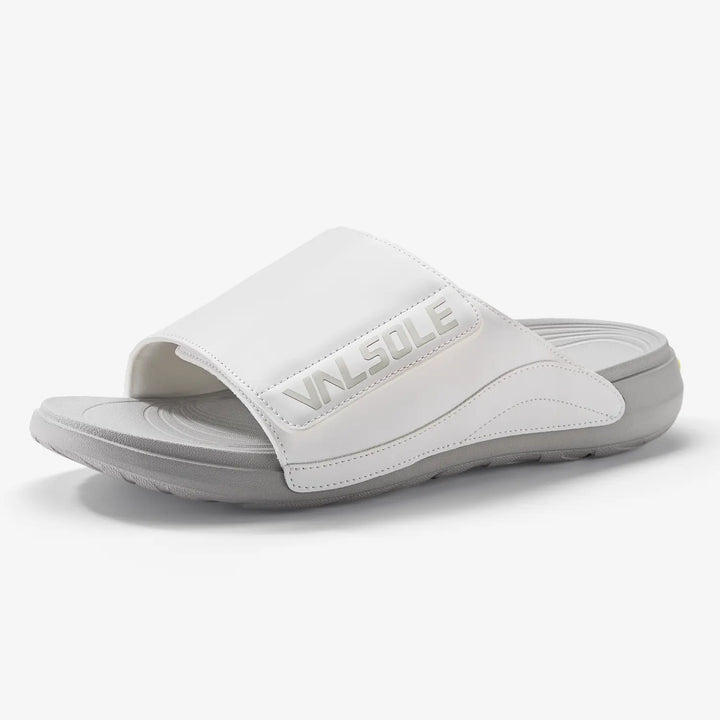
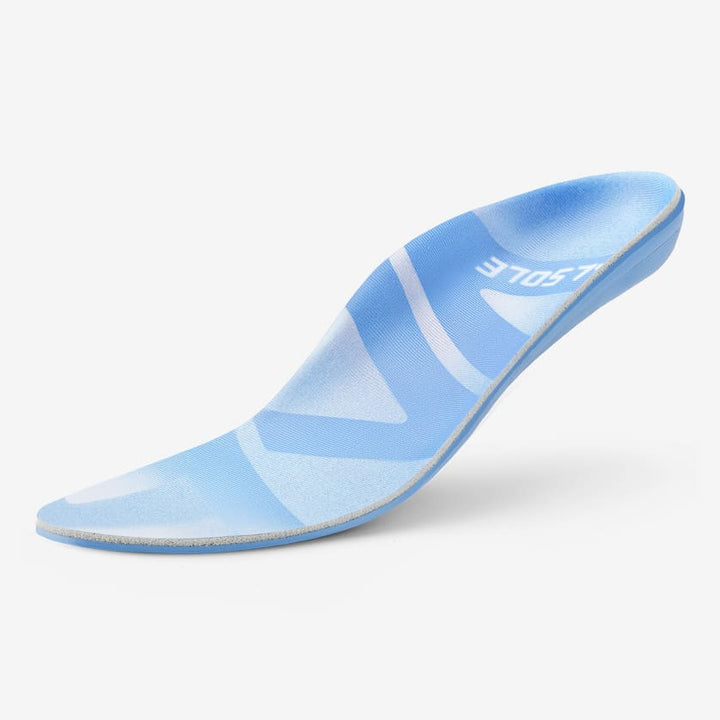
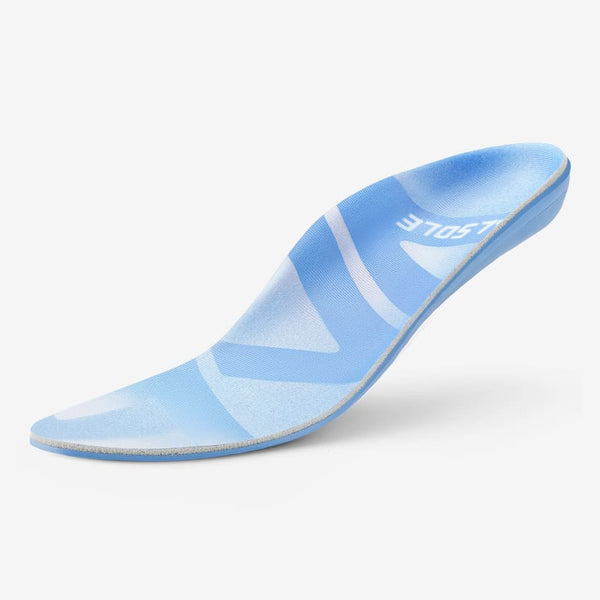
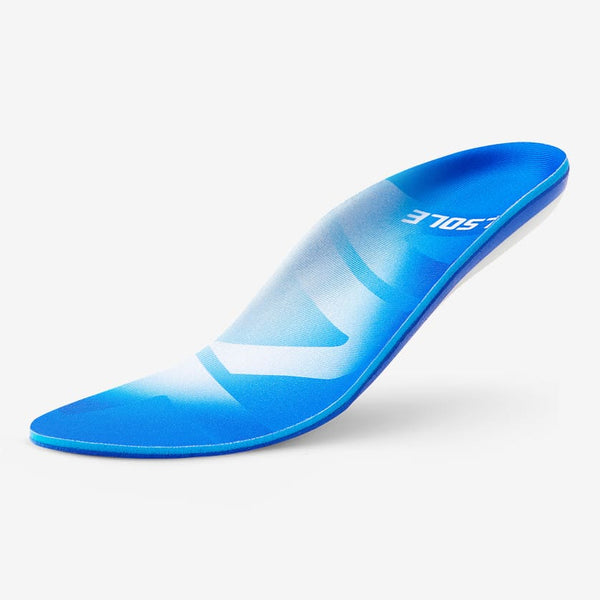
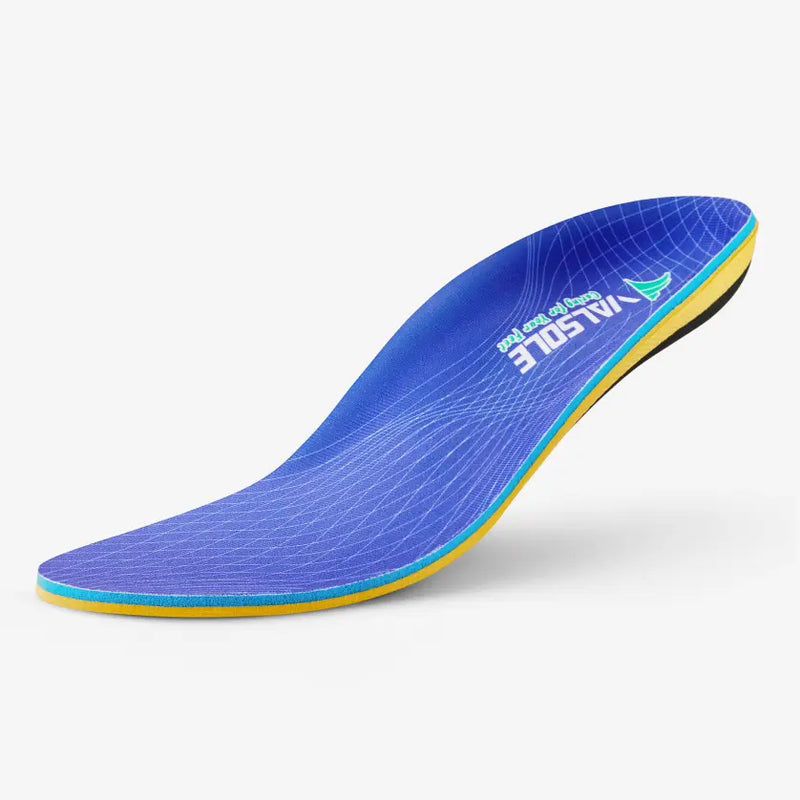
VALSOLE readers can compare condition-specific routes through Plantar Fasciitis Insoles, Plantar Fasciitis Slippers, and Fascia Soothe Insoles. For home recovery, Recovery Slide is the more direct footwear path.