





Quick Answer: The Study Tested an Exoskeleton Setup, Not an Insole
A July 2026 pilot study examined a passive lower-limb exoskeleton during prolonged occupational standing. Researchers measured plantar-pressure distribution and postural variables while comparing the equipment setup with standard footwear. The result concerns a whole system and cannot be translated into a shoe or insert recommendation.
What Happened
The research team studied a wearable passive exoskeleton in a work-standing context. The apparatus changes how the lower body is supported, so pressure measurements must be interpreted alongside the device, the task and the footwear used in the experiment.
The article is a pilot ergonomic study. It does not test retail insoles, compare work-boot brands or establish how a different standing worker will respond.
Why It Matters Now
Standing-work questions often search for one simple object to solve every load issue. This study offers a more accurate frame: equipment, flooring, footwear fit, duration, movement breaks and the worker's routine can interact.
Who It Affects
The direct research audience is occupational ergonomics. It is relevant to readers who work on hard floors because it highlights the need to assess a work system, but it is not a substitute for a product-specific fit check.
Consumer Decision Context
- Separate tools: an exoskeleton and an insole change the setup in different ways.
- Check the whole shift: floor, shoe, sock, workload and breaks all matter.
- Prioritize shoe space: adding an insert should not crowd the foot or destabilize the heel.
- Keep safety rules intact: follow workplace and protective-footwear requirements.
VALSOLE Support Path
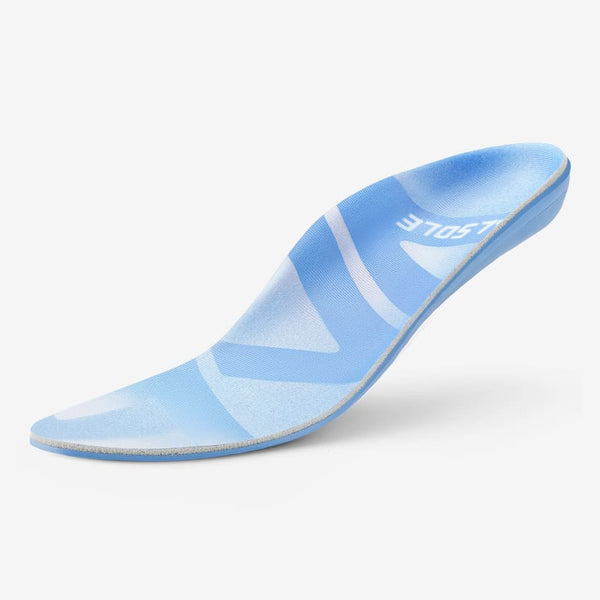
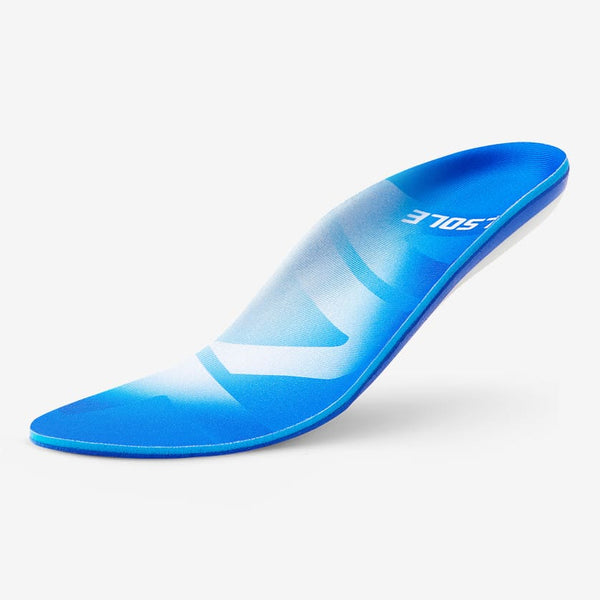
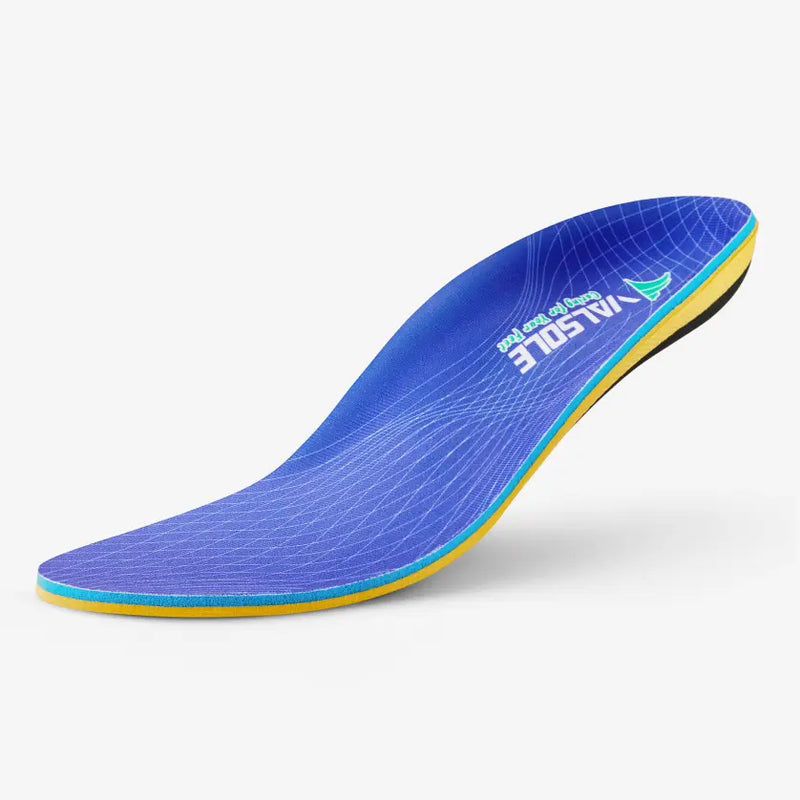
The Concrete Floor Insoles collection is the commercial route for hard-floor routines. Use the Standing All Day Support Guide for decision context and Quick Match to narrow a starting route.
What This Means for Readers
This pilot broadens the workplace conversation without proving an insole result. It does not test or endorse VALSOLE products, and it should not be used as a guarantee about pressure, comfort or work performance.
Sources
- Healthcare / PubMed. Effects of a Passive Lower-Limb Exoskeleton on Plantar Pressure Distribution and Postural Stability During Prolonged Occupational Standing. July 1, 2026.
- PMC. Full study record.


