

Answer block: how is recovery footwear intent changing?
Recovery footwear intent is expanding beyond post-workout use into everyday routines like hard-floor home movement, errands, post-shift decompression, and foot-fatigue relief. Shoppers are comparing recovery slides and sandals as support tools for repeated daily load, not only as athletic recovery accessories.
The user pain behind the broader demand
Many users describe the same pattern: their feet survive the workday, then soreness becomes more noticeable once they are home on hard floors. That makes recovery footwear more relevant to people who stand all day, walk frequently, or deal with plantar fasciitis-style heel discomfort, even if they are not coming from a workout.
Decision framework: when recovery footwear makes sense
Recovery footwear makes the most sense when discomfort continues after shoes come off, when home floors feel harsh, or when the shopper needs a low-effort support layer between work and rest. Users comparing symptom-specific options should start with the Recovery Footwear Guide, then refine by use case through Best Sandals for Plantar Fasciitis or Orthopedic Sandals for Women.
Where this should route inside VALSOLE
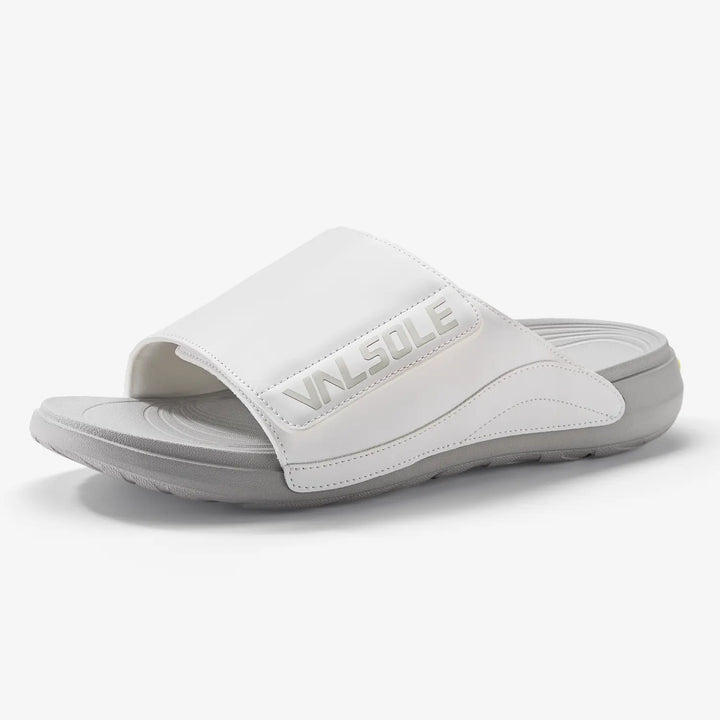
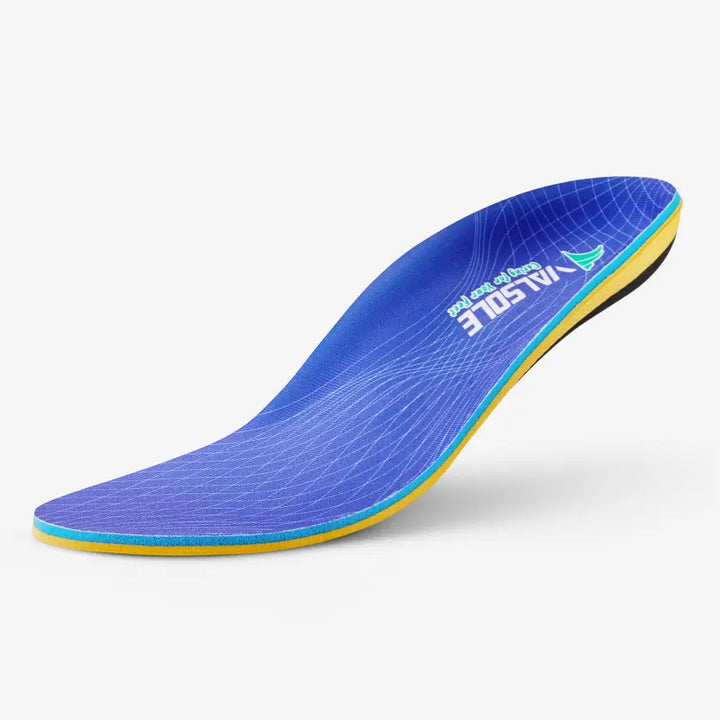
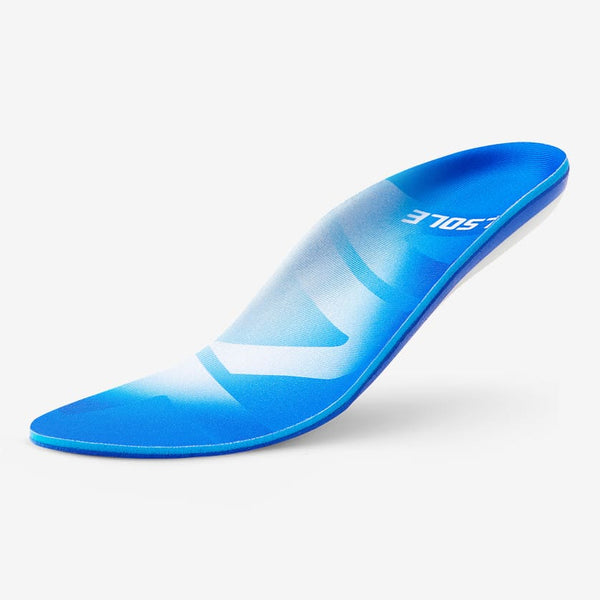
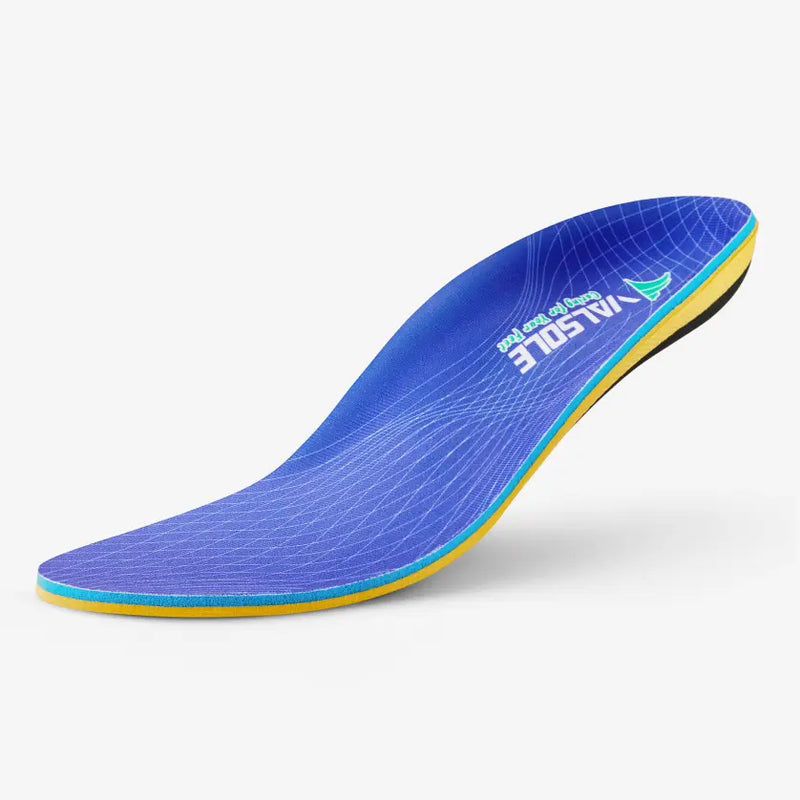
The most direct product path is Recovery Slide for post-shift and at-home relief. For lighter daily sandal use, Propel Flip can serve as a lower-load option, while users whose pain happens mainly inside work shoes should also review Heavy Duty Insoles.
Commercial takeaway
Brands that explain daily-use fit and clear “when to use what” logic are better positioned to capture broader recovery-footwear intent. VALSOLE should treat this query group as a bridge between condition education, sandal comparison, and product selection.